Fire Damage to Compton Commercial Properties: Restoration Guide
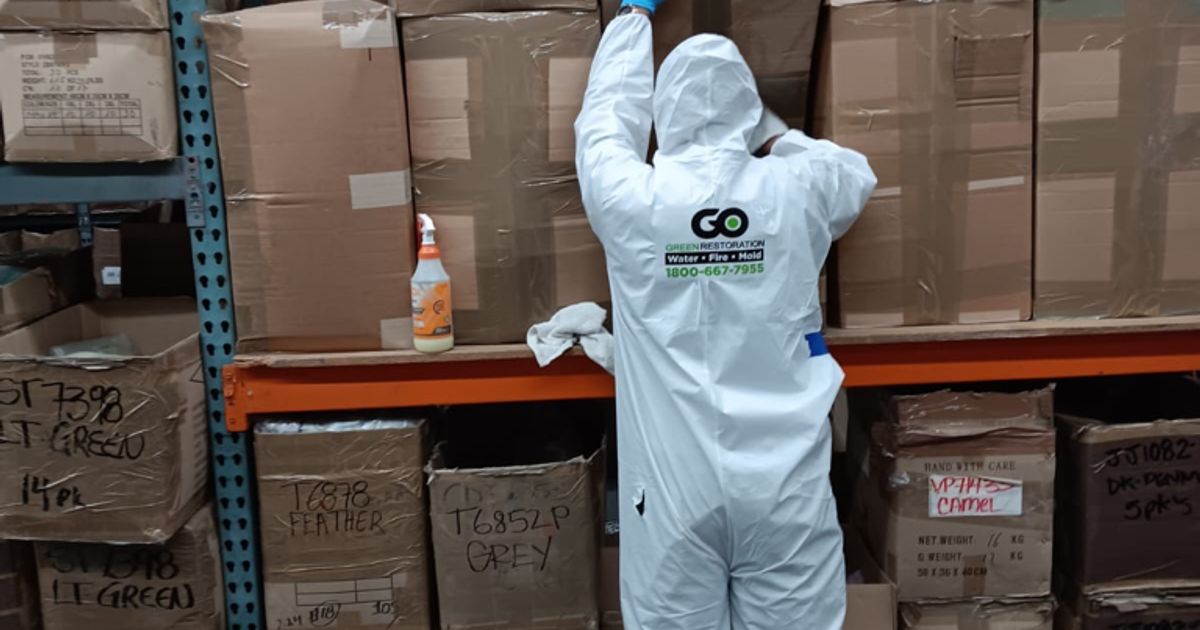
Complete guide to fire damage restoration for Compton commercial properties. Business continuity, tenant coordination, insurance claims & regulatory compliance.
Commercial property fires in Compton present unique challenges that differ significantly from residential incidents. The city's concentration of multi-family housing, aging mid-20th century buildings, and dense urban development in areas like Willowbrook Junction and the Compton Woodley Airport Area means that fire damage often affects multiple tenants and businesses simultaneously. Property owners must navigate complex restoration processes while maintaining business operations and meeting regulatory requirements.
The older electrical systems common in Compton's commercial buildings, particularly those constructed during the post-war boom, create elevated fire risks that require specialized restoration approaches. When fire damage occurs, swift action becomes essential for properties near major corridors like Long Beach Boulevard or Rosecrans Avenue, where business interruption can have cascading economic effects. Professional fire & smoke damage restoration in Compton addresses these multi-faceted challenges while ensuring compliance with local building codes and safety regulations.
Immediate Response and Business Continuity Planning
Compton's commercial districts, from the bustling areas near Crystal Park Casino to the industrial zones approaching the 91 Freeway, require immediate fire damage assessment to minimize business disruption. Property managers must first secure the building and document all damage for insurance purposes, paying special attention to smoke infiltration patterns common in Compton's older concrete and steel construction.
Tenant communication becomes critical in multi-unit commercial properties throughout ZIP codes 90220-90224. Establishing temporary business operations may involve coordinating with nearby Compton businesses or relocating to adjacent cities like Carson or Paramount while restoration proceeds. The city's Planning and Development Department requires specific permits for restoration work, and business owners must understand that fire damage in one unit often triggers building-wide inspections due to shared ventilation and electrical systems.
Establishing a command center away from the damaged property helps coordinate restoration activities while maintaining business functions. Many Compton commercial property owners utilize spaces in nearby South Gate or Bellflower for temporary operations, ensuring minimal disruption to customer service and employee schedules.
Tenant Coordination and Communication Strategies
Managing multiple tenants during fire restoration in Compton's dense commercial areas requires systematic communication protocols. Properties in neighborhoods like Sunny Cove often house diverse businesses with varying operational needs, from retail shops to professional services, each requiring different restoration timelines and access arrangements.
Developing a tenant liaison system helps manage expectations and coordinate access schedules. Smoke damage in shared spaces like hallways and common areas affects all tenants, even those whose individual units escaped direct fire damage. Regular updates about restoration progress, temporary utility arrangements, and projected reopening dates help maintain tenant relationships and reduce potential lease disputes.
Compton's multi-family commercial buildings often share HVAC systems, meaning smoke remediation must address entire buildings rather than individual units. Coordinating with tenants for access during off-hours, managing temporary relocations, and addressing security concerns during the restoration period requires detailed planning and clear communication channels.
Commercial Insurance Claims and Documentation
Fire damage claims for Compton commercial properties involve complex documentation requirements that differ from residential claims. The city's older building stock often includes mixed-use properties where residential and commercial spaces coexist, creating unique insurance challenges that require detailed damage assessment and proper classification.
Photographic documentation must capture both visible fire damage and hidden smoke infiltration throughout the building's structure. Compton's concrete and steel construction common in mid-century commercial buildings can trap smoke odors in unexpected areas, requiring extensive testing and documentation for insurance adjusters. Professional restoration companies understand how smoke travels through older ventilation systems and can provide the detailed reports insurance companies require.
Business interruption claims require careful documentation of lost revenue, ongoing expenses, and additional costs incurred during the restoration period. For properties near major Compton commercial areas like those along Alameda Street or near Compton Creek, demonstrating the economic impact requires understanding local market conditions and typical business operations in the area.
Regulatory Compliance and Permitting Requirements
Compton's Building and Safety Department enforces specific requirements for fire damage restoration that reflect the city's commitment to improving building safety standards. Commercial properties must obtain proper permits before beginning restoration work, and the city's inspectors pay particular attention to electrical and structural systems in older buildings.
Fire damage often triggers requirements for building code updates, particularly in properties built before current seismic and fire safety standards. Commercial buildings in Compton may need to install modern fire suppression systems, upgrade electrical panels, or improve emergency egress routes as part of the restoration process. Understanding these requirements early in the restoration planning helps avoid delays and additional costs.
Environmental compliance becomes particularly important for commercial properties that may have stored chemicals, fuel, or other hazardous materials. The proximity of many Compton commercial areas to residential neighborhoods means that restoration activities must meet strict air quality and waste disposal standards. Professional restoration teams coordinate with local environmental agencies to ensure proper handling of contaminated materials and debris.
## Related Articles
Learn more about restoration services in Compton:
Successful fire damage restoration for Compton commercial properties requires experienced professionals who understand the unique challenges of the local building stock and regulatory environment. Go Green Restoration Inc works with commercial property owners throughout Los Angeles County to develop restoration plans that minimize business disruption while ensuring thorough damage remediation.
Restoration timelines vary significantly based on the extent of damage, building age, and tenant coordination requirements. Smoke damage remediation in Compton's older commercial buildings often takes longer than in newer construction due to the porous nature of aging concrete and the complexity of older ventilation systems. Property owners should expect restoration periods ranging from several weeks for minor smoke damage to several months for extensive fire damage requiring structural repairs.
The final phase involves coordinating tenant move-back procedures, ensuring all systems function properly, and obtaining final inspections from Compton's Building and Safety Department. Successful restoration not only repairs fire damage but often results in improved building systems and enhanced safety features that benefit long-term property value and tenant satisfaction.
Need Professional Help?
Go Green Restoration provides 24/7 emergency services throughout Los Angeles and Ventura Counties. Licensed (#1005708), bonded, and insured.