Fire Damage to Hidden Hills Commercial Properties: Restoration Guide
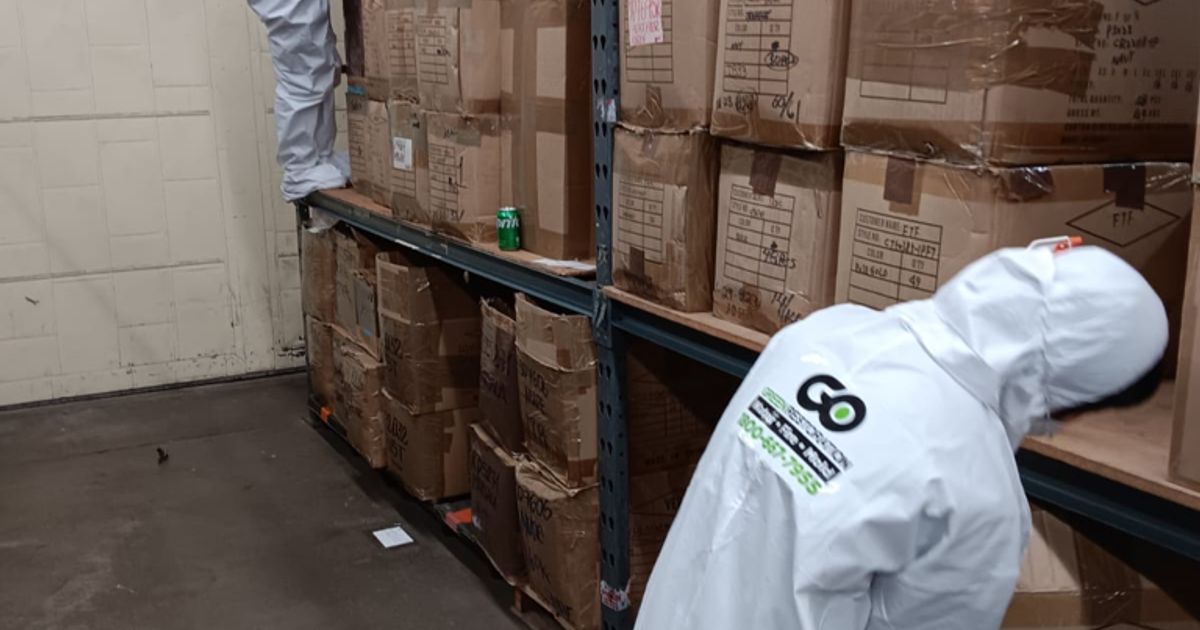
Hidden Hills commercial property fire damage restoration guide covering business continuity, insurance claims, and regulatory compliance in 91302.
Hidden Hills' exclusive gated community houses more than just luxury estates. The 91302 ZIP code area includes several commercial properties, from the Hidden Hills Community Center to equestrian facilities and small business operations that serve the affluent community. When fire strikes these commercial properties, the restoration process becomes significantly more complex than residential damage, requiring specialized expertise in fire & smoke damage restoration in Hidden Hills to navigate business continuity challenges and regulatory requirements.
Commercial fire damage in Hidden Hills presents unique challenges due to the community's location in a high wildfire risk zone near Calabasas. Properties often feature extensive grounds, specialized facilities like horse stables and training arenas, and complex HVAC systems that can spread smoke throughout multi-level structures. The restoration timeline directly impacts business operations, tenant relationships, and revenue streams, making swift professional intervention essential.
Understanding Hidden Hills Commercial Fire Damage Scope
Commercial properties in Hidden Hills face distinct fire damage patterns compared to residential structures. The Round Meadow area and surrounding commercial zones often house businesses with specialized equipment, from equestrian facilities with climate-controlled environments to professional offices serving the wealthy community. Fire damage assessment must account for business-specific assets, including computer systems, specialized equipment, and inventory that may require immediate stabilization.
Smoke damage in commercial properties travels differently than in homes, often infiltrating HVAC systems that serve multiple units or large open spaces. Hidden Hills' dry climate and Santa Ana wind conditions can accelerate fire spread and intensify smoke penetration into building materials. Professional assessment teams must evaluate not just visible damage but also hidden contamination in ductwork, electrical systems, and structural components that could affect long-term building integrity and indoor air quality.
Structural damage assessment becomes more complex in commercial settings due to building codes, occupancy requirements, and accessibility standards that don't apply to residential properties. Properties near the Hidden Hills Community Center or along the main commercial corridors must meet specific safety standards before reopening, requiring detailed documentation and professional certification of restoration work.
Business Continuity and Tenant Coordination Strategies
Hidden Hills commercial property owners face immediate decisions about business continuity when fire damage occurs. Unlike residential properties where families can temporarily relocate, commercial operations involve employees, customers, and contractual obligations that can't simply pause. Equestrian facilities, for instance, must maintain animal care regardless of building damage, requiring immediate alternative arrangements for boarding and training services.
Tenant coordination becomes particularly complex in Hidden Hills' mixed-use properties or multi-tenant commercial buildings. Property managers must balance restoration needs with tenant rights, lease obligations, and business interruption concerns. Some tenants may require immediate relocation assistance, while others might operate from undamaged portions of the building during restoration. Clear communication protocols help maintain relationships and minimize legal complications.
Temporary business solutions often require creative approaches in Hidden Hills' exclusive community. Mobile offices, temporary structures, or partnerships with nearby Calabasas or Agoura Hills businesses may provide interim solutions while restoration progresses. The key lies in maintaining service delivery to Hidden Hills residents who depend on local commercial services, from veterinary care for their horses to professional services.
Documentation becomes critical for both insurance claims and tenant relations. Property owners must track all communication, temporary arrangements, and business interruption impacts to support insurance claims and demonstrate good faith efforts to minimize tenant disruption. This documentation also supports any necessary lease modifications or rent adjustments during the restoration period.
Commercial Insurance Claims and Documentation
Commercial fire damage claims in Hidden Hills require more extensive documentation than residential claims due to business interruption components and multiple stakeholder interests. Insurance adjusters must evaluate not only property damage but also lost revenue, additional expenses, and tenant-related costs that don't exist in residential claims. The affluent nature of Hidden Hills means commercial properties often carry high-value policies with complex coverage terms.
Business interruption claims require detailed financial documentation showing pre-loss revenue patterns, ongoing expenses during closure, and additional costs incurred to maintain operations. Hidden Hills businesses serving the equestrian community, for example, must document specialized care costs, temporary facility rentals, and transportation expenses that may not be immediately obvious to insurance adjusters unfamiliar with the industry.
Property damage documentation must account for commercial-grade systems and specialized equipment common in Hidden Hills commercial properties. Climate control systems for equestrian facilities, professional-grade office equipment, and specialized flooring or fixtures require expert evaluation to determine repair versus replacement costs. Insurance companies often require multiple professional opinions for high-value commercial claims.
Tenant-related claims add another layer of complexity, as property owners may face liability for tenant business interruption or additional expenses incurred due to the fire damage. Lease agreements, tenant insurance policies, and property insurance coverage must all be coordinated to ensure appropriate coverage without gaps or overlaps that could delay settlements.
Regulatory Compliance and Permitting Requirements
Commercial fire damage restoration in Hidden Hills must comply with Los Angeles County building codes, fire department requirements, and potentially specialized regulations depending on the business type. Equestrian facilities face agricultural and animal welfare regulations, while office buildings must meet commercial occupancy standards that differ significantly from residential requirements.
Permitting requirements for commercial restoration often exceed residential needs due to structural modifications, electrical system upgrades, and life safety improvements that may be required during reconstruction. Hidden Hills' location in Los Angeles County means restoration work must comply with county building standards, which may be more stringent than surrounding municipal requirements in Westlake Village or West Hills.
Fire department inspections play a larger role in commercial restoration, as buildings must receive occupancy clearances before reopening. This process includes verification of fire suppression systems, emergency exits, and safety equipment that may have been damaged or compromised during the fire. The timeline for these inspections can significantly impact business reopening schedules.
Environmental compliance becomes particularly important for Hidden Hills commercial properties due to the community's environmental sensitivity and proximity to protected open spaces. Restoration work must consider air quality impacts, waste disposal requirements, and potential soil contamination from firefighting efforts. Go Green Restoration Inc specializes in eco-friendly restoration methods that meet these environmental standards while ensuring thorough fire damage remediation.
Professional restoration companies familiar with Hidden Hills' unique commercial landscape understand these regulatory requirements and can navigate the permitting process efficiently, helping business owners reopen safely and legally while minimizing downtime and revenue loss.
For more information, visit our fire & smoke damage resources.
Need Professional Help?
Go Green Restoration provides 24/7 emergency services throughout Los Angeles and Ventura Counties. Licensed (#1005708), bonded, and insured.