Lancaster Fire Safety: Prevention Tips for Your Neighborhood
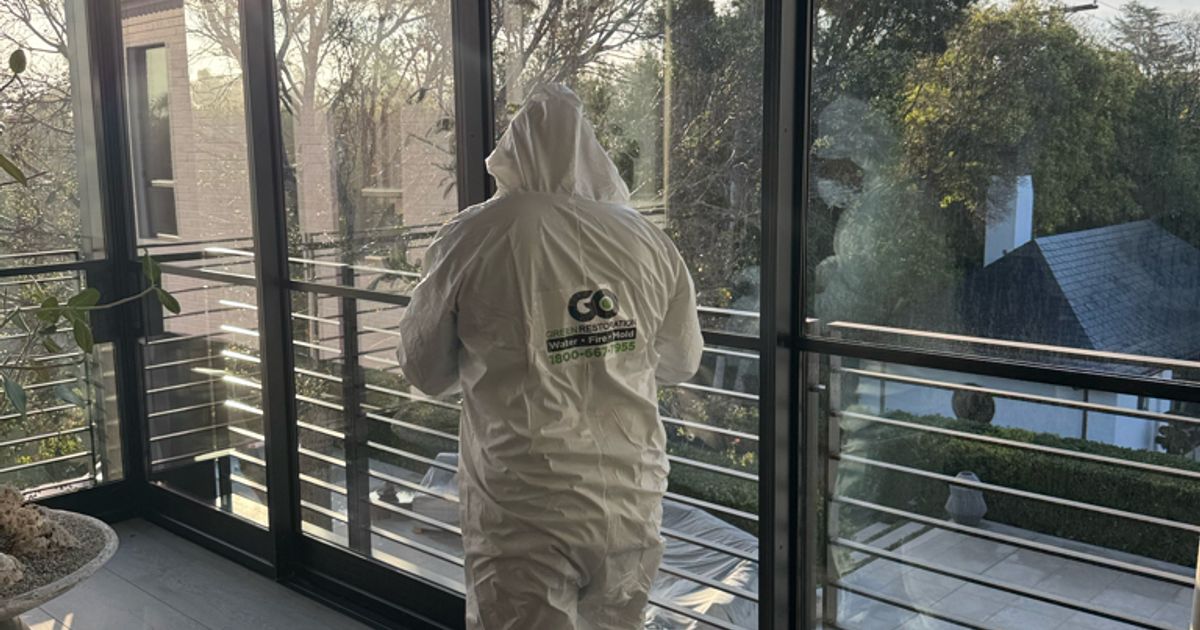
Essential fire safety tips for Lancaster homeowners. Learn prevention strategies for desert conditions, wildfire prep, and local fire department resources.
Lancaster homeowners face unique fire safety challenges in the high desert environment of the Antelope Valley. The combination of extreme temperatures exceeding 100°F during summer months, powerful desert windstorms, and the area's proximity to wildland interfaces creates conditions that require specialized fire prevention strategies. Understanding these local risks and implementing targeted safety measures can protect your property and family in neighborhoods from Quartz Hill to West Lancaster.
The desert climate's extreme temperature fluctuations between scorching days and cool nights place additional stress on electrical systems and building materials throughout Lancaster's 93534, 93535, 93536, and 93539 ZIP codes. When fire damage does occur, professional fire & smoke damage restoration in Lancaster becomes essential to address both the immediate damage and underlying issues unique to our desert environment.
Smoke Detector Strategies for Desert Conditions
Lancaster's dusty desert environment requires more frequent smoke detector maintenance than typical residential areas. The fine sand particles carried by frequent windstorms can accumulate in detector sensors, reducing their effectiveness. Homeowners near the Antelope Valley Poppy Reserve and throughout West Lancaster should clean smoke detectors monthly during peak wind season, typically March through May.
Install photoelectric smoke detectors rather than ionization types in areas prone to dust accumulation. The extreme temperature swings common in Lancaster can also affect battery life, so replace batteries twice yearly rather than the standard annual recommendation. Consider hardwired detectors with battery backup for homes in Lake Los Angeles and other areas where power outages from windstorms are common.
Place additional detectors in attics and garages where desert heat buildup is most severe. These spaces often reach temperatures 20-30 degrees higher than outdoor temperatures during Lancaster's summer months, creating fire risks that standard detector placement might miss.
Electrical Safety in High Desert Heat
Lancaster's extreme summer temperatures force electrical systems to work harder, increasing fire risks throughout the Antelope Valley. HVAC systems running continuously to combat 100°F+ temperatures draw maximum power, potentially overloading circuits in older homes common in established neighborhoods near the Lancaster Performing Arts Center.
Inspect electrical panels regularly for signs of overheating, including burning smells, warm panel surfaces, or flickering lights. The rapid temperature changes between day and night can cause wiring connections to loosen over time. Schedule professional electrical inspections every three years, or immediately after severe windstorms that may have shifted or damaged exterior electrical components.
Avoid using extension cords for permanent solutions, especially during summer months when electrical demand peaks. The combination of high ambient temperatures and electrical load can cause dangerous overheating in temporary wiring solutions commonly used in Lancaster's many workshop and garage spaces.
Kitchen Fire Prevention in Desert Climate
Kitchen fires pose heightened risks in Lancaster due to the dry desert air and extreme heat that can quickly escalate small incidents. The low humidity levels throughout the Antelope Valley mean that grease fires spread faster and burn hotter than in more humid climates. Keep fire extinguishers easily accessible and ensure they're rated for grease fires.
Maintain extra vigilance during summer months when indoor temperatures can exceed 85°F even with air conditioning. Hot ambient temperatures mean cooking surfaces retain heat longer and oil reaches ignition temperatures more quickly. Clean range hoods and exhaust fans monthly to remove grease buildup that becomes more problematic in dusty desert conditions.
Store cooking oils away from heat sources and direct sunlight, which can be intense even through windows in Lancaster homes. The desert sun's UV intensity can degrade containers and affect oil stability, creating unexpected fire hazards in kitchen storage areas.
Wildfire Preparation for Lancaster Neighborhoods
Lancaster's location in the high desert places many neighborhoods at risk during wildfire season, particularly areas near Quartz Hill and the foothills surrounding Lake Los Angeles. Create defensible space around your property by maintaining at least 100 feet of clearance from structures, removing dead vegetation, and trimming trees to prevent fire laddering.
The desert's natural vegetation, including sagebrush and tumbleweeds common throughout Lancaster, becomes extremely flammable during dry conditions. Remove accumulated tumbleweeds from property perimeters regularly, especially after windstorms that deposit debris against fences and structures.
Install ember-resistant vents and screens on all exterior openings. Lancaster's frequent windstorms can carry burning embers significant distances during wildfire events. Consider fire-resistant landscaping using desert-adapted plants that retain moisture and resist ignition, such as desert marigold and brittlebush native to the Antelope Valley.
## Related Articles
Learn more about restoration services in Lancaster:
- Wildfire Risk in Lancaster: How to Protect Your Property
- The True Cost of Fire Damage Restoration in Lancaster
The Los Angeles County Fire Department serves Lancaster through multiple stations strategically located throughout the area's diverse neighborhoods. Station 129 covers central Lancaster, while Station 132 serves the Quartz Hill area and Station 135 protects Lake Los Angeles residents. Familiarize yourself with your nearest station's location and response routes.
Sign up for emergency alerts through the County's notification system, which provides wildfire evacuation warnings and air quality alerts during fire season. Lancaster's desert location means fires can spread rapidly, making early warning systems vital for resident safety.
Develop evacuation plans that account for Lancaster's limited exit routes during emergencies. The area's geography can create traffic bottlenecks during evacuations, so identify multiple routes from your neighborhood and practice them with family members. Keep emergency supplies including N95 masks for smoke protection, as desert winds can carry smoke significant distances across the Antelope Valley.
Go Green Restoration Inc works closely with Lancaster homeowners to address fire damage while considering the unique challenges of high desert restoration, from extreme temperature effects on materials to dust infiltration during reconstruction projects.
Need Professional Help?
Go Green Restoration provides 24/7 emergency services throughout Los Angeles and Ventura Counties. Licensed (#1005708), bonded, and insured.