Post-Fire Rebuilding in Glendale: What to Expect
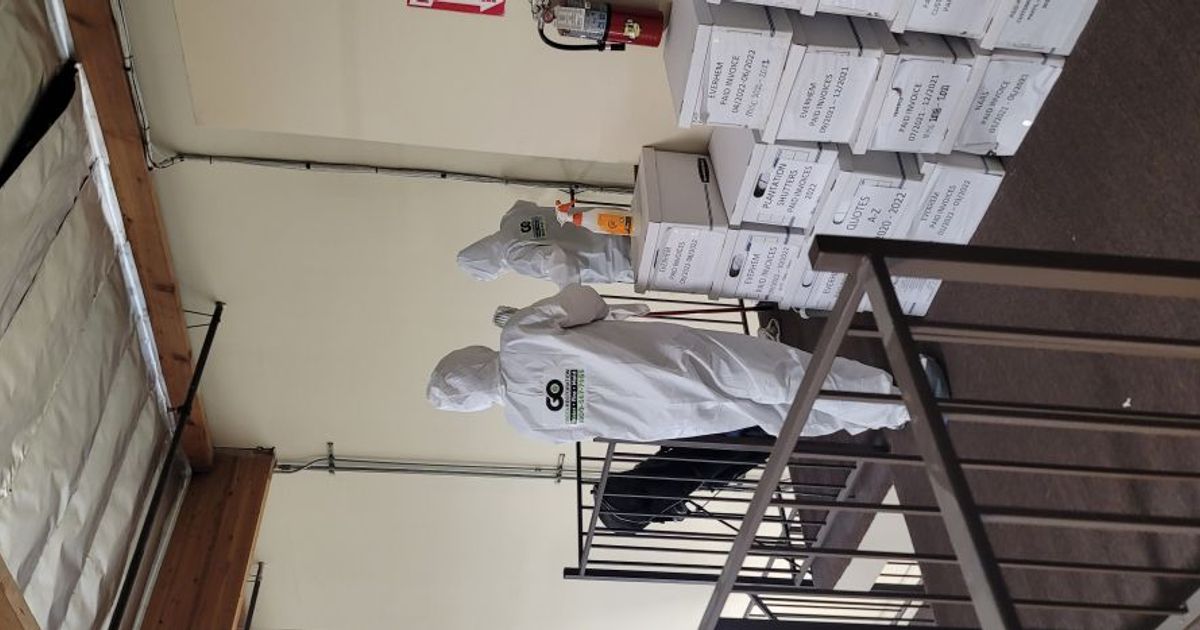
Complete guide to post-fire rebuilding in Glendale, CA. Learn about permits, timelines, insurance, and upgrade opportunities for your Glendale home.
Glendale homeowners face unique challenges when rebuilding after fire damage, particularly those in hillside neighborhoods like Verdugo Woodlands and Crescenta Highlands where wildfire risk remains elevated. The city's diverse housing stock, from historic Craftsman homes in Adams Hill to modern developments near the Americana at Brand, requires specialized approaches to restoration that account for both architectural heritage and current building codes.
The rebuilding process in Glendale involves navigating city-specific requirements while coordinating with insurance companies familiar with Southern California wildfire patterns. Professional fire & smoke damage restoration in Glendale services understand these local complexities and can guide homeowners through the intricate process of returning their properties to pre-loss condition or better.
Understanding Glendale's building landscape helps homeowners set realistic expectations for their restoration timeline. Properties in ZIP codes 91201 through 91210 each present distinct challenges, from the steep terrain considerations in Montrose to the historic preservation requirements that may apply to older Rossmoyne residences.
Planning Your Glendale Rebuild: Site Assessment and Design
Glendale's hillside topography requires specialized site assessment before rebuilding begins. Properties in the Verdugo Mountains area need geological surveys to address potential soil stability issues, especially important given the city's history of mudslides during heavy rains following fires. The burned vegetation that previously provided slope stability must be considered in foundation and drainage planning.
Architectural planning in Glendale must account for the city's diverse neighborhood character. Downtown Glendale properties may need to comply with urban density requirements, while homes in Crescenta Highlands often require designs that work with significant elevation changes. Many homeowners discover this is an opportunity to improve their property's relationship with the natural terrain.
The city's aging infrastructure in established neighborhoods like Adams Hill means rebuild plans should consider utility upgrades. Water main breaks and sewer line issues common in older Glendale areas make this an ideal time to modernize plumbing and electrical systems. Properties near Forest Lawn Memorial Park may have additional considerations regarding water pressure and utility access.
Working with architects familiar with Glendale's specific requirements saves time during the permit process. Local professionals understand which neighborhoods require additional seismic retrofitting and how to navigate the city's historic preservation guidelines that may apply to pre-1950s homes.
Navigating Glendale's Permit Process
Glendale's Building and Safety Division has streamlined processes for fire rebuilds, but homeowners should expect different requirements based on their specific location within the city. Properties in the hillside zones of Verdugo Woodlands face stricter grading and drainage requirements compared to flatter areas near the Americana at Brand.
The permit timeline varies significantly based on project scope and location. Simple rebuilds in established neighborhoods like Rossmoyne typically move faster through approval than properties requiring extensive grading work in Montrose or Crescenta Highlands. Homeowners should budget 60-90 days for permit approval on straightforward projects, with complex hillside rebuilds potentially taking longer.
Glendale requires specific documentation for fire rebuilds, including soil reports for hillside properties and utility capacity studies for homes planning significant electrical upgrades. The city's Geographic Information System helps identify properties in high fire risk zones that may need additional defensible space planning integrated into the rebuild design.
Coordinating with utility companies serving Glendale adds another layer to the permit process. Properties in older neighborhoods may need electrical panel upgrades to meet current codes, while hillside homes often require new gas line installations that must be approved by both the city and utility providers.
Working with Insurance Companies in Glendale
Insurance adjusters working in Glendale understand the specific challenges posed by the area's wildfire risk and diverse housing stock. However, homeowners need to advocate for proper coverage of Glendale-specific rebuilding costs, including the geological studies required for hillside properties and the specialized materials needed for homes in high-wind areas near the Verdugo Mountains.
Documenting pre-loss conditions becomes particularly important for Glendale's older homes, many of which contain custom millwork and period-appropriate materials that cost significantly more to replace than standard building supplies. Properties in Adams Hill and other established neighborhoods often have unique architectural details that insurance companies may initially undervalue.
The insurance claim process should account for Glendale's building code requirements that may mandate upgrades during reconstruction. Seismic retrofitting requirements for older homes, improved electrical systems, and enhanced fire-resistant materials all add costs that homeowners need covered in their settlements.
Timing insurance negotiations with Glendale's seasonal considerations helps maximize settlements. The city's dry season fire risk and wet season mudslide potential create narrow windows for optimal construction, making it important to secure adequate temporary housing coverage while rebuilds progress.
Timeline Expectations for Glendale Rebuilds
Realistic timeline planning for Glendale fire rebuilds must consider the city's unique seasonal patterns and construction challenges. The optimal building season runs from late spring through early fall, avoiding both fire season risks and the winter rains that can complicate hillside construction in areas like Verdugo Woodlands and Crescenta Highlands.
Foundation work in Glendale's hillside neighborhoods requires dry weather and stable soil conditions, typically pushing major construction starts to late spring. Properties in flatter areas near Downtown Glendale or Rossmoyne have more flexibility in construction timing but still need to coordinate with the city's inspection schedule and utility installation requirements.
Material delivery to Glendale properties presents unique logistical challenges, particularly for homes in Montrose or other hillside locations with narrow, winding streets. Homeowners should expect longer material delivery times and potentially higher costs for properties with difficult access, factors that extend overall project timelines.
Labor availability in Glendale fluctuates with regional construction demand, particularly during peak rebuilding periods following widespread fires. Securing qualified contractors familiar with the city's specific requirements early in the process helps maintain realistic timelines and ensures work meets local standards.
## Related Articles
Learn more about restoration services in Glendale:
- Smoke Damage Cleanup in Glendale: What Most People Miss
- Fire Damage Insurance Claims in Glendale: Complete Guide for Homeowners
- Fire Damage to Glendale Commercial Properties: Complete Restoration Guide
Rebuilding after fire damage presents Glendale homeowners with unique opportunities to address the area's specific environmental challenges. Installing whole-house air filtration systems makes particular sense given the region's ongoing wildfire smoke exposure, while upgraded electrical systems can support the backup power solutions many hillside residents now consider essential.
Seismic retrofitting becomes cost-effective when integrated into fire rebuilds, particularly important for Glendale's many older homes in neighborhoods like Adams Hill and Rossmoyne. The city's location along active fault lines makes earthquake preparedness a practical upgrade that adds long-term value and safety.
Water conservation upgrades align well with Glendale's environmental goals and help homeowners reduce utility costs. Drought-resistant landscaping, greywater systems, and high-efficiency fixtures become more affordable when installed during comprehensive rebuilds rather than as separate projects.
Smart home technology integration during rebuilds helps Glendale homeowners monitor their properties more effectively, particularly valuable for hillside homes in fire-prone areas. Advanced fire detection systems, automated irrigation controls, and remote monitoring capabilities provide peace of mind for residents in high-risk zones.
Go Green Restoration Inc works with Glendale homeowners to identify upgrade opportunities that make sense for their specific properties and neighborhoods, helping families rebuild stronger and more resilient homes that serve them well for decades to come.
Need Professional Help?
Go Green Restoration provides 24/7 emergency services throughout Los Angeles and Ventura Counties. Licensed (#1005708), bonded, and insured.