Smoke Damage Cleanup in Pasadena: What Most People Miss
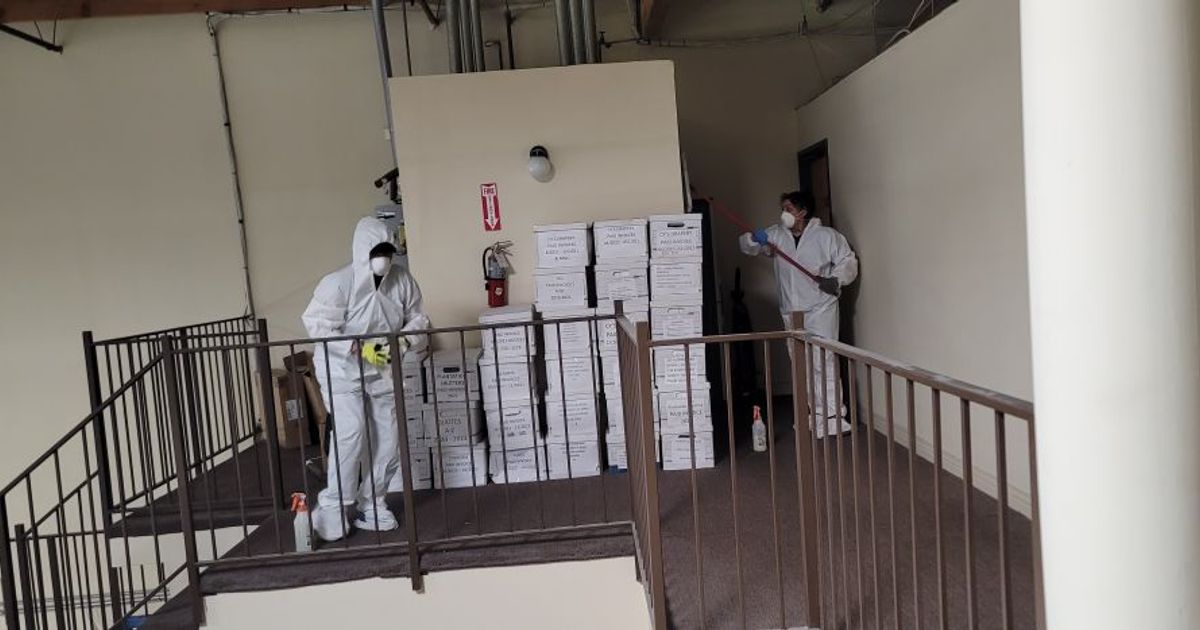
Discover hidden smoke damage in Pasadena homes that DIY cleanup misses. Learn about HVAC contamination, soot deposits, and specialized restoration needs.
Smoke damage in Pasadena homes extends far beyond what meets the eye, especially in the city's historic neighborhoods like Bungalow Heaven and Old Pasadena where century-old construction materials react differently to fire and smoke exposure. While homeowners naturally focus on visible soot and charring, the most destructive smoke damage often lurks in hidden spaces, penetrating deep into building materials and spreading through ventilation systems.
Pasadena's unique architectural heritage, featuring everything from 1920s Spanish Colonial Revival homes in San Rafael Hills to mid-century modern properties in Hastings Ranch, presents distinct challenges for smoke damage restoration. The city's foothill location near the San Gabriel Mountains increases wildfire risk for northern neighborhoods, making understanding proper fire & smoke damage restoration in Pasadena essential for local homeowners.
HVAC System Contamination: The Silent Spreader
Your heating and cooling system becomes a highway for smoke particles during a fire, distributing contamination throughout every room in your Pasadena home. In neighborhoods like Madison Heights and Linda Vista, where homes often feature complex ductwork systems, smoke particles settle deep within air handlers, ductwork, and ventilation components. These particles continue circulating long after the fire is extinguished, carrying acidic compounds that corrode metal components and spread odors to previously unaffected areas.
Pasadena's year-round mild climate means HVAC systems run frequently, making this contamination particularly problematic. Smoke particles embed in ductwork insulation, coat evaporator coils, and settle in hard-to-reach plenum spaces. The city's older homes, particularly those built before 1950 in areas near the Rose Bowl, often have original ductwork that lacks proper sealing, allowing smoke to penetrate wall cavities and spread between floors through chase ways.
Hidden Soot Deposits in Historic Pasadena Homes
Soot infiltration follows unexpected pathways in Pasadena's diverse housing stock, particularly in the historic Craftsman bungalows that define neighborhoods like South Lake. These particles travel through electrical outlets, light fixtures, and plumbing penetrations, settling behind walls and above ceilings where they remain undetected for months. In Old Pasadena's converted loft spaces and renovated commercial buildings, soot often accumulates in structural voids and mechanical spaces that weren't designed for residential occupancy.
The city's Spanish Colonial Revival homes, common in areas near Caltech, feature decorative plasterwork and tile surfaces that trap soot in microscopic crevices. These architectural details, while beautiful, create countless hiding spots for smoke particles that standard cleaning cannot reach. Soot also penetrates the porous surfaces of original hardwood floors, adobe walls, and vintage tile work that characterize many Pasadena properties, requiring specialized restoration techniques to prevent permanent staining and deterioration.
Deep Material Penetration and Odor Issues
Smoke odors penetrate building materials at the molecular level, creating persistent problems that surface cleaners cannot address. In Pasadena's foothill neighborhoods, where homes often feature natural materials like wood siding, stone foundations, and clay tile roofs, smoke molecules bond with these porous surfaces and continue releasing odors for years without proper treatment. The city's historic districts contain many homes with original plaster walls, wood lath, and horsehair insulation that readily absorb and retain smoke particles.
Textiles throughout affected Pasadena homes absorb smoke at different rates depending on their composition and weave. Curtains, upholstery, and carpeting in areas like Hastings Ranch homes act like sponges, drawing in smoke particles that migrate deep into fibers and backing materials. Even items stored in closets and cabinets far from the fire source often require specialized cleaning or replacement, as smoke infiltrates these spaces through gaps around doors and through shared wall cavities.
Why DIY Cleanup Falls Short in Pasadena Properties
Homeowners in Pasadena often underestimate smoke damage restoration requirements, particularly given the city's affluent demographics and high homeowner education levels. However, the specialized nature of smoke damage in historic and architecturally significant properties requires professional assessment and treatment. Consumer-grade cleaning products cannot neutralize the acidic compounds in smoke residue, leading to ongoing corrosion of metal fixtures, continued odor problems, and potential health issues for residents.
The city's building codes and historic preservation requirements add another layer of complexity to smoke damage restoration. Properties in designated historic districts must maintain their architectural integrity while achieving thorough decontamination, requiring restoration professionals familiar with Pasadena's specific regulations. Go Green Restoration Inc understands these local requirements and specializes in preserving the character of Pasadena's historic homes while ensuring complete smoke damage remediation.
Pasadena's proximity to major research institutions like Caltech means many residents are scientifically minded, yet even well-educated homeowners often lack the specialized equipment needed for effective smoke damage restoration. Professional-grade thermal fogging, ozone treatment, and hydroxyl generation equipment cannot be rented from local hardware stores, and improper use of these technologies can cause additional damage to sensitive materials common in the city's historic properties.
Professional Assessment and Restoration Requirements
Effective smoke damage restoration in Pasadena requires understanding how different architectural styles and building materials respond to fire exposure. The city's Mediterranean Revival homes feature different restoration challenges than its Prairie School bungalows or mid-century ranch properties. Professional restoration teams use specialized testing equipment to identify hidden contamination, measure smoke penetration depth, and develop targeted treatment plans for each affected material.
Pasadena's building density, particularly in areas near Old Town and the Huntington Library, means smoke damage often affects multiple units or neighboring properties. Professional restoration services coordinate with adjacent property owners, insurance companies, and local authorities to ensure complete remediation while minimizing disruption to the surrounding community. This coordination becomes particularly important in the city's historic neighborhoods, where properties share walls, utilities, and architectural features that can facilitate smoke migration between units.
For more information, visit our fire & smoke damage resources.
Need Professional Help?
Go Green Restoration provides 24/7 emergency services throughout Los Angeles and Ventura Counties. Licensed (#1005708), bonded, and insured.