Smoke Damage Cleanup in San Gabriel: What Most People Miss
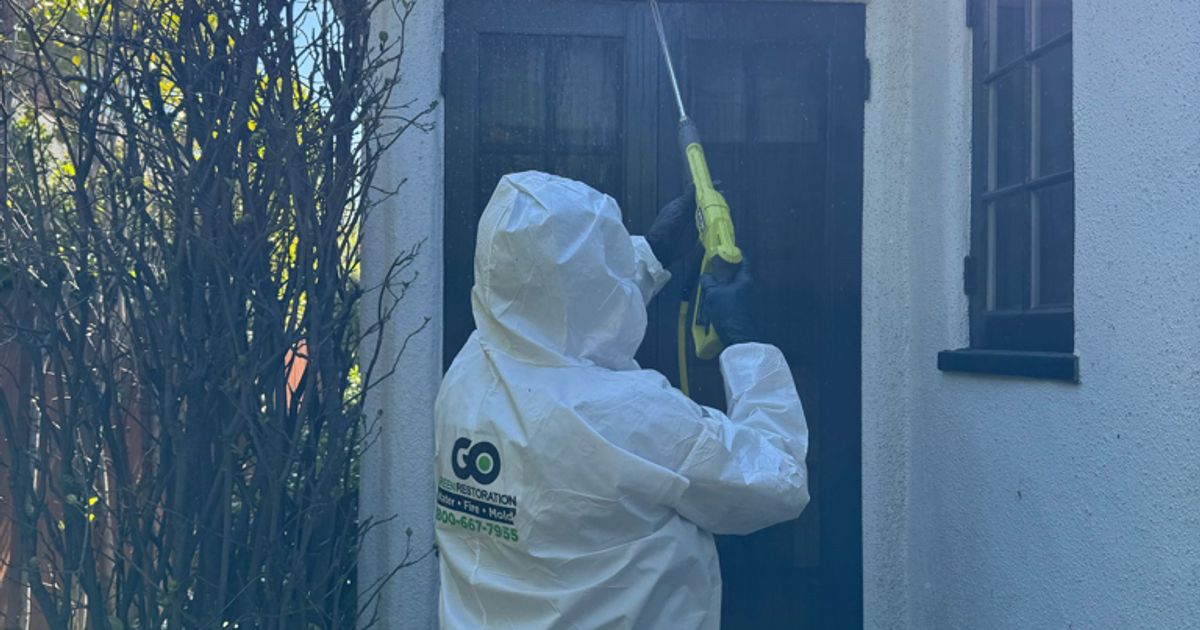
San Gabriel homeowners often overlook hidden smoke damage in HVAC systems, Mission-era structures, and porous materials. Learn what DIY cleanup misses.
San Gabriel homeowners dealing with fire damage often focus on the obvious—charred walls, burned furniture, and visible soot. However, the most damaging effects of smoke frequently hide in places you'd never think to look. From the historic Mission-era adobe structures near Mission San Gabriel to the early 20th century bungalows throughout North San Gabriel, smoke penetrates building materials in ways that can cause problems for years if not properly addressed.
The dense urban environment around San Gabriel Square and the commercial corridors along Valley Boulevard create unique challenges when smoke travels through neighborhoods. Unlike newer construction, many of San Gabriel's older homes in the 91775 and 91776 ZIP codes have materials and building methods that trap smoke particles differently. Professional fire & smoke damage restoration in San Gabriel requires understanding these local building characteristics that most homeowners don't consider.
HVAC Systems Become Hidden Smoke Distributors
San Gabriel's extreme summer heat means most homes rely heavily on air conditioning, and when fire strikes, your HVAC system becomes a smoke distribution network throughout your entire house. The ductwork in older San Gabriel homes, particularly those built before 1970 in areas near the Mission, often lacks proper sealing. During a fire, smoke gets pulled into return air vents and circulated through every room, depositing microscopic particles in areas that seem completely unaffected by the fire.
The problem intensifies in San Gabriel's flat-roofed commercial buildings and older residential properties where HVAC systems run through attic spaces. Smoke particles settle in ductwork, on coils, and in filters, then continue circulating long after the fire is extinguished. Many homeowners replace visible damaged items but never address their HVAC system, leading to persistent odors and health issues months later. The heat exchangers in older systems common to South San Gabriel's vintage homes are particularly susceptible to smoke particle accumulation.
Soot Hides in Unexpected Places
Soot doesn't just settle on surfaces—it migrates into cracks, crevices, and porous materials throughout San Gabriel homes. The Mission-style stucco exteriors popular in the area have textured surfaces that trap soot particles deep within the material. Inside older homes, soot travels behind wall coverings, under baseboards, and into the gaps around window frames that are common in pre-war construction.
In Downtown San Gabriel's older commercial-residential mixed buildings, soot often travels through shared walls and utility chases, affecting units that weren't directly involved in the fire. The wooden floors common in 1920s and 1930s San Gabriel homes absorb soot between floorboards, while the plaster walls typical of that era develop a film that's nearly invisible but continues releasing odors. Even areas that appear clean often harbor soot deposits that become apparent only when humidity levels change or when the material expands and contracts with San Gabriel's temperature variations.
Odor Penetration Goes Deeper Than You Think
Smoke odors don't just sit on surfaces—they chemically bond with materials throughout your San Gabriel home. The adobe and stucco materials used in many of the area's historic properties are particularly porous, absorbing smoke compounds that can resurface years later. Wooden structural elements in older San Gabriel homes, from the craftsman bungalows near Temple City border to the Spanish Colonial revivals closer to Alhambra, absorb smoke particles deep into the grain.
Textiles, insulation, and even concrete foundations absorb odor-causing compounds. In San Gabriel's older homes with original hardwood floors, smoke particles penetrate not just the surface finish but the wood itself. The insulation in walls and attics becomes saturated with odor compounds, and without complete removal and replacement, these materials continue off-gassing smoke odors indefinitely. Even synthetic materials like vinyl flooring and plastic fixtures absorb and retain smoke compounds in ways that surface cleaning cannot address.
Why DIY Cleanup Falls Short
Many San Gabriel homeowners attempt to handle smoke cleanup themselves, focusing on wiping down visible surfaces and repainting walls. However, this approach fails to address the underlying penetration of smoke particles and odor compounds. Standard household cleaners cannot neutralize the chemical compounds in smoke, and painting over smoke-damaged surfaces without proper preparation often results in staining bleeding through the new paint within months.
The specialized equipment needed for proper smoke remediation—thermal foggers, ozone generators, and industrial-grade air scrubbers—isn't available to homeowners. Professional restoration requires understanding how smoke behaves in different materials and environmental conditions specific to San Gabriel's climate and building types. Go Green Restoration Inc uses eco-friendly methods that effectively neutralize smoke compounds without introducing additional chemicals into your home environment.
DIY attempts also miss the interconnected nature of smoke damage. While you might clean one room thoroughly, smoke particles remain in adjacent areas, HVAC systems, and building materials, continuing to cause odors and potential health issues. The porous materials common in San Gabriel's older homes require specialized treatment methods that address both surface contamination and deep penetration.
Professional Assessment Reveals the Full Scope
Proper smoke damage restoration in San Gabriel begins with understanding what you can't see. Professional assessment uses specialized equipment to detect smoke particles in hidden areas and measure the extent of odor compound penetration in different materials. This includes testing HVAC systems, checking behind wall coverings, and evaluating the condition of insulation and structural materials.
The restoration process must address each affected system and material appropriately. This might involve complete HVAC cleaning and duct replacement, removal and replacement of porous insulation, specialized cleaning of structural elements, and treatment of surfaces with professional-grade odor neutralizing compounds. Only through this systematic approach can San Gabriel homeowners ensure their homes are truly restored to pre-fire condition, protecting both their property value and their family's health.
For more information, visit our fire & smoke damage resources.
Need Professional Help?
Go Green Restoration provides 24/7 emergency services throughout Los Angeles and Ventura Counties. Licensed (#1005708), bonded, and insured.