Smoke Damage Cleanup in South Gate: What Most People Miss
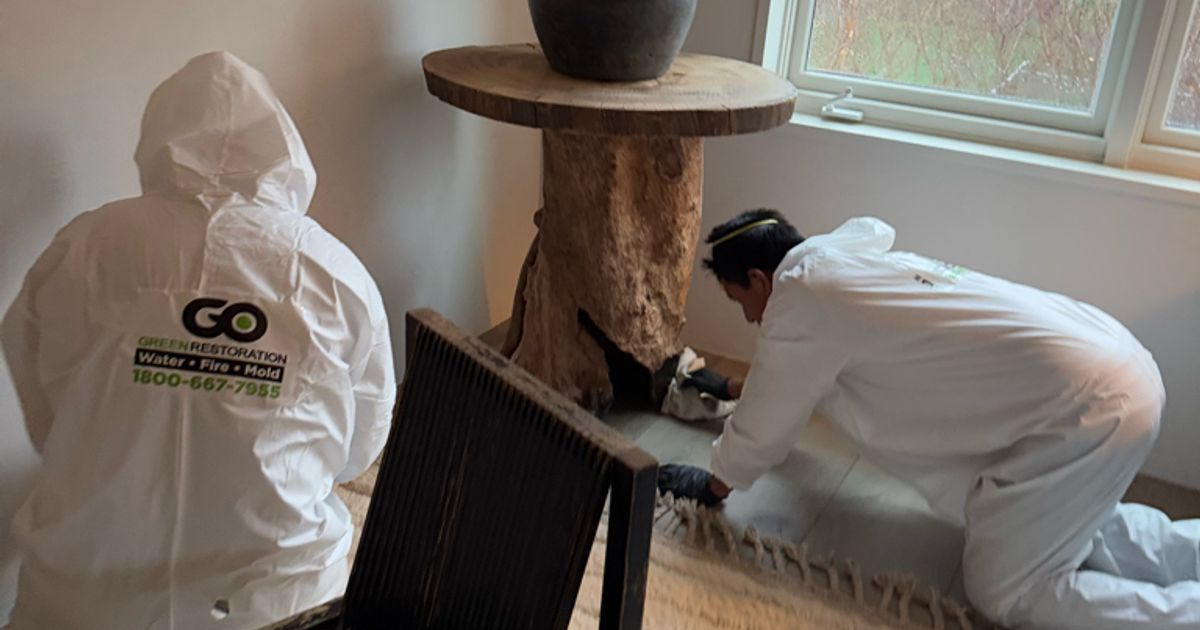
South Gate homeowners often miss hidden smoke damage in HVAC systems and older materials. Learn what professionals find that DIY cleanup misses.
The Hidden Reality of Smoke Damage in South Gate Homes
South Gate's established neighborhoods, particularly around the South Gate Park Area and Hollydale, contain thousands of homes built between the 1940s and 1960s. These older structures present unique challenges when it comes to smoke damage that many homeowners simply don't see. While visible soot on walls and furniture gets immediate attention, the most damaging effects often hide within the building materials, HVAC systems, and porous surfaces that define these vintage Los Angeles County homes.
After any fire incident in South Gate, whether it's a kitchen fire in a Home Gardens bungalow or a larger blaze near the Azalea Shopping Center area, homeowners typically focus on what they can see and smell immediately. However, professional fire & smoke damage restoration in South Gate reveals contamination that extends far beyond the obvious damage, often requiring specialized detection methods and equipment that most residents don't have access to.
HVAC Contamination: South Gate's Biggest Hidden Problem
The aging HVAC systems common in South Gate's 90280 zip code area create a perfect storm for smoke damage distribution. Many homes still operate with original ductwork from the 1950s and 60s, featuring metal systems that have developed small gaps and connections over decades of settling. When smoke enters these systems during a fire, it doesn't just pass through – it deposits microscopic particles throughout the entire network.
South Gate's flat terrain and dense residential layout mean that homes often share similar HVAC configurations, with units typically located in cramped spaces beneath these older structures. This positioning allows smoke to infiltrate return air vents and circulate contaminated air throughout every room, even those that weren't directly affected by fire. The older insulation materials used in these systems – often fiberglass or cellulose from decades past – absorb smoke particles and odors that can resurface months later when the system runs.
Homeowners frequently make the mistake of simply changing air filters after a fire incident, assuming this addresses HVAC contamination. However, smoke particles embed themselves in ductwork joints, fan housings, and the interior surfaces of air handlers. Without professional duct cleaning and system decontamination, these particles continue circulating every time the system operates, spreading contamination to previously clean areas of the home.
Soot Deposits in Unexpected Places Throughout South Gate Properties
The construction methods used in South Gate's older neighborhoods create numerous hidden spaces where soot accumulates unnoticed. Homes near South Gate Park and throughout the Hollydale area feature plaster walls over wood lath, crown molding with decorative gaps, and original hardwood floors with expansion joints – all perfect hiding spots for microscopic soot particles.
Electrical outlets and switch plates in these vintage homes often have loose-fitting covers due to decades of paint buildup and settling. Soot infiltrates behind these covers, contaminating the electrical boxes and creating potential fire hazards when particles accumulate near wiring connections. The original electrical systems in many South Gate homes weren't designed with the tight seals found in modern construction, allowing smoke to travel through wall cavities via electrical pathways.
Attic spaces in South Gate homes present another commonly missed area for soot accumulation. The older ventilation systems and roof designs allow smoke to enter attic spaces, where it settles on insulation, wooden beams, and stored belongings. These particles can fall through ceiling fixtures and recessed lighting over time, creating ongoing contamination in living spaces below. Many homeowners never think to check these areas, assuming that smoke damage only affects the rooms where fire occurred.
Deep Odor Penetration in South Gate's Older Building Materials
The porous building materials common in South Gate's established neighborhoods absorb smoke odors far more deeply than modern construction materials. Original plaster walls, natural wood trim, and concrete foundations from the mid-20th century act like sponges, drawing in smoke particles and odor molecules that standard cleaning cannot reach.
Wood flooring in these older homes, particularly the oak and pine commonly used in 1940s construction, contains natural pores and grain patterns that trap smoke particles below the surface finish. Simply refinishing the top layer often fails to eliminate embedded odors, as contamination extends into the wood substrate. Similarly, the original plaster walls found throughout the Home Gardens area and near the Azalea Shopping Center contain lime and horsehair materials that absorb odors differently than modern drywall.
Textiles and upholstered items in South Gate homes face particular challenges due to the area's climate patterns. The combination of warm temperatures and occasional humidity allows smoke odors to penetrate deeply into fabric fibers, foam cushioning, and carpet padding. Items that appear clean on the surface often retain odor molecules that become noticeable when temperature and humidity levels fluctuate, particularly during South Gate's warmer months.
## Related Articles
Learn more about restoration services in South Gate:
- Fire Damage Emergency Steps for South Gate Homeowners: Your Recovery Guide
- Fire Damage Insurance Claims in South Gate: Complete Guide for Homeowners
- South Gate Fire Safety: Prevention Tips for Your Neighborhood
South Gate homeowners often attempt DIY smoke cleanup using retail products and rental equipment, but these efforts typically fall short due to the specific challenges presented by the area's older housing stock. Standard household cleaners and ozone generators cannot address the deep penetration issues common in vintage construction materials, nor can they properly clean HVAC systems that may contain decades of accumulated debris.
The dense residential layout of South Gate neighborhoods means that improper cleanup in one home can affect adjacent properties through shared walls, connected utilities, or proximity-related air circulation. DIY efforts that don't address hidden contamination sources often result in odor migration to neighboring units or recurring problems that surface weeks or months later.
Professional restoration companies like Go Green Restoration understand the specific challenges presented by South Gate's housing characteristics and environmental factors. They possess specialized equipment for detecting hidden soot deposits, properly cleaning HVAC systems, and treating the porous materials common in older construction. This expertise becomes particularly valuable in South Gate's established neighborhoods, where proper restoration requires understanding both the building methods of past decades and the environmental factors that affect contamination patterns in this Los Angeles County community.
Recognizing these hidden aspects of smoke damage helps South Gate homeowners make informed decisions about restoration needs and avoid the costly mistakes that come from addressing only the visible damage while leaving underlying contamination untreated.
Need Professional Help?
Go Green Restoration provides 24/7 emergency services throughout Los Angeles and Ventura Counties. Licensed (#1005708), bonded, and insured.