Smoke Odor Removal in Azusa Homes: Professional Methods That Actually Work
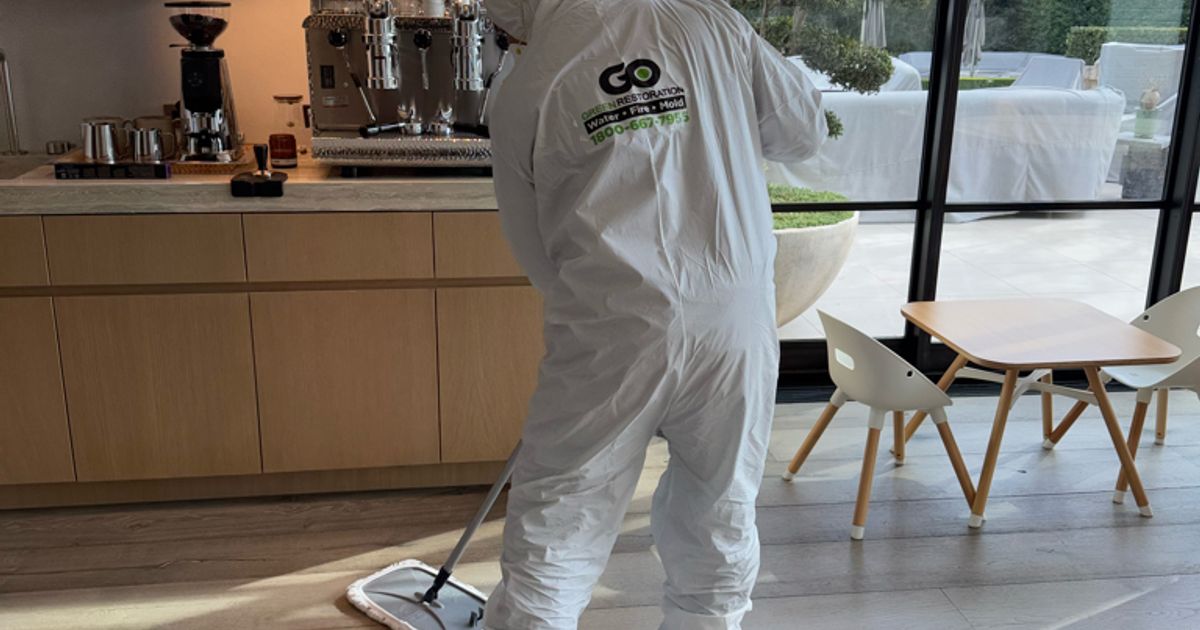
Learn professional smoke odor elimination methods for Azusa homes including thermal fogging, ozone treatment, and hydroxyl generators from local experts.
Azusa homeowners face unique smoke odor challenges due to the city's location at the mouth of San Gabriel Canyon and proximity to the Angeles National Forest. When wildfires sweep through the foothills or house fires occur in neighborhoods like Rosedale and Mountain Cove, smoke particles penetrate deep into building materials, creating persistent odors that resist typical cleaning methods.
The 50,000 residents of Azusa know that smoke doesn't just affect the immediate fire area. Properties throughout the 91702 ZIP code can experience smoke infiltration from distant wildfires, while local incidents in older downtown areas often produce concentrated smoke damage. Understanding professional fire & smoke damage restoration in Azusa methods helps homeowners make informed decisions when home remedies fail to eliminate stubborn odors.
Azusa's foothill location means smoke particles often settle in unique patterns due to canyon winds and elevation changes. Go Green Restoration Inc has observed how smoke behaves differently in homes near Azusa Pacific University compared to properties closer to the San Gabriel Mountains, requiring tailored approaches for effective odor elimination.
Why Home Remedies Fail in Azusa Properties
Azusa's dry climate and frequent Santa Ana winds create conditions where smoke particles embed deeply into porous materials. Homeowners in Mountain Cove often discover that baking soda, vinegar, and commercial air fresheners only mask odors temporarily. These DIY solutions cannot penetrate the microscopic spaces where smoke particles lodge in drywall, insulation, and HVAC systems.
The age of many Azusa homes compounds the problem. Properties built before modern ventilation standards lack proper air circulation, allowing smoke to accumulate in hidden areas. Homes near the university district, with their mix of older construction and student housing modifications, present particular challenges where smoke travels through shared walls and ductwork.
Smoke particles are measured in nanometers, making them 1,000 times smaller than the width of human hair. They penetrate deep into carpet padding, wooden subflooring, and even concrete foundations common in Azusa construction. Surface cleaning cannot reach these embedded particles, which continue releasing odors long after visible smoke damage is addressed.
Thermal Fogging: Penetrating Deep Into Materials
Thermal fogging uses heated chemical solutions to create a fog that mimics smoke's behavior, following the same pathways smoke took during the original incident. In Azusa homes, this method proves particularly effective because the fog can navigate the complex air currents created by the city's foothill topography and reach areas where smoke settled.
The process involves heating specialized deodorizing chemicals to create particles similar in size to smoke particles. These fog particles follow identical pathways through Azusa homes, penetrating into wall cavities, attic spaces, and crawl areas where smoke originally traveled. The deodorizing agents neutralize odor molecules on contact rather than simply covering them.
Thermal fogging works best in Azusa properties when performed after thorough cleaning and before final restoration work. Homes in Rosedale with complex layouts benefit from this method because the fog can reach areas that manual cleaning cannot access. The process typically requires 24-48 hours for complete penetration and neutralization in typical Azusa home sizes.
Ozone Treatment: Molecular-Level Odor Destruction
Ozone treatment generates ozone gas (O3) that breaks down odor molecules at the molecular level. This method works exceptionally well in Azusa's dry climate because humidity doesn't interfere with ozone's effectiveness. The process requires complete evacuation of people, pets, and plants, making timing essential for Azusa families.
Ozone generators produce unstable oxygen molecules that seek out and destroy odor-causing compounds. In Azusa homes affected by wildfire smoke from the Angeles National Forest, ozone treatment can eliminate odors that penetrated through closed windows and doors during evacuation periods. The treatment works continuously, reaching every air space within the sealed structure.
The duration of ozone treatment depends on odor severity and home size. Typical Azusa properties require 24-72 hours of treatment followed by ventilation time before re-occupancy. Homes near the canyon areas often need longer treatment periods due to the intensity of smoke exposure during wildfire events.
Hydroxyl Generators: Safe, Continuous Operation
Hydroxyl generators create hydroxyl radicals (OH) that safely eliminate odors while allowing continued occupancy. This method particularly benefits Azusa families who cannot relocate during treatment, common in the tight-knit neighborhoods around Azusa Pacific University where temporary housing options are limited.
Hydroxyl radicals occur naturally in the atmosphere and break down odor molecules without creating harmful byproducts. The generators can operate continuously in occupied Azusa homes, making them ideal for properties where residents cannot easily evacuate. This method works well in combination with other treatments for comprehensive odor elimination.
The process typically requires several days to weeks depending on odor severity. Azusa homes with extensive smoke damage from local fires or wildfire exposure may need multiple hydroxyl generators running simultaneously. The method's safety profile makes it suitable for homes with elderly residents or those with respiratory sensitivities common in foothill communities.
## Related Articles
Learn more about restoration services in Azusa:
The appropriate smoke odor removal method depends on several factors specific to Azusa properties. Homes in newer developments like those near the university may respond well to hydroxyl treatment, while older properties in downtown areas often require thermal fogging or ozone treatment for complete odor elimination.
Wildfire smoke typically requires different treatment than structure fire smoke. Azusa properties affected by distant wildfire smoke may need hydroxyl generators for ongoing treatment during fire season, while homes with direct fire damage require more aggressive approaches like thermal fogging combined with ozone treatment.
Professional assessment considers factors unique to Azusa homes: construction materials, age of the structure, HVAC system design, and the specific type of smoke exposure. Properties in Mountain Cove with custom ventilation systems need different approaches than standard tract homes in other Azusa neighborhoods. The combination of methods often produces the best results, with sequencing tailored to each property's specific conditions and the homeowner's occupancy needs.
Need Professional Help?
Go Green Restoration provides 24/7 emergency services throughout Los Angeles and Ventura Counties. Licensed (#1005708), bonded, and insured.