Wildfire Risk in Diamond Bar: How to Protect Your Property
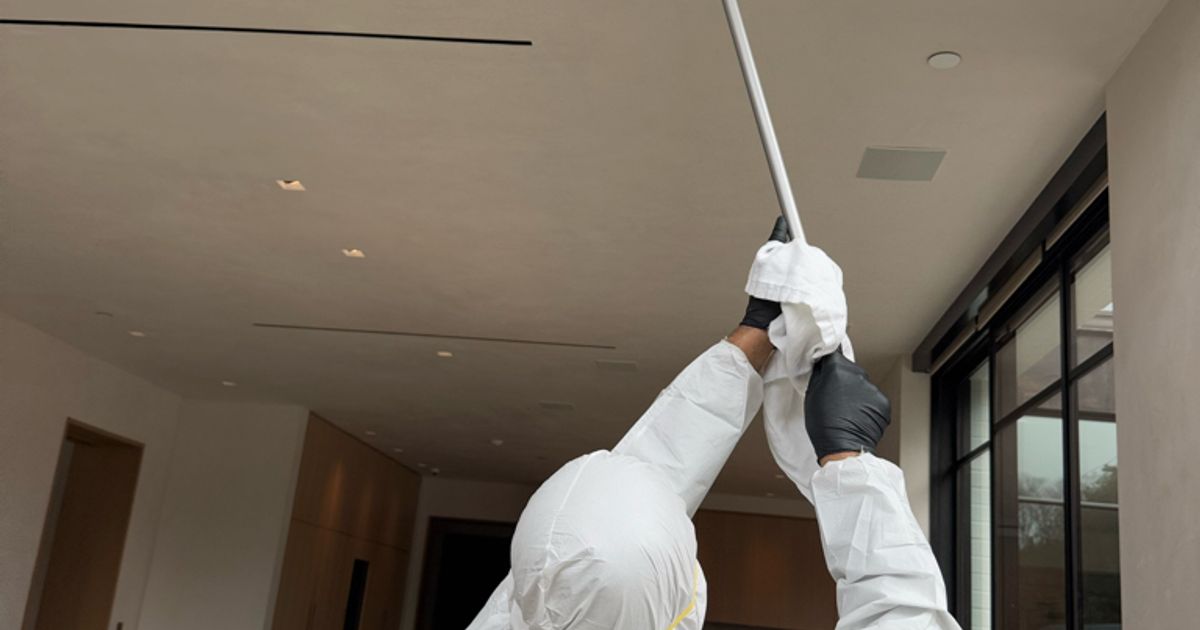
Diamond Bar homeowners face unique wildfire risks due to hillside terrain and vegetation. Learn essential protection strategies for your property.
Diamond Bar's hillside terrain and strategic location between the San Gabriel and Chino Hills create a distinctive wildfire risk profile that homeowners must understand. The city's elevation changes and proximity to natural canyons like Sycamore Canyon Park make certain neighborhoods particularly vulnerable during fire season. Properties in The Country Estates and Diamond Bar Hills face elevated risks due to their positioning on slopes where fires can rapidly advance uphill, driven by Santa Ana winds that funnel through the inland valleys.
The combination of mature vegetation, aging homes from the 1980s-90s building boom, and the area's Mediterranean climate creates conditions that require proactive fire protection measures. Professional fire & smoke damage restoration in Diamond Bar services become essential when prevention efforts aren't enough, as Go Green Restoration Inc has observed in their work throughout Los Angeles County's hillside communities.
Understanding Diamond Bar's Fire Risk Geography
Diamond Bar's position in the Pomona Valley, bordered by Chino Hills State Park to the south and the San Gabriel Mountains to the north, creates natural fire corridors that can channel flames toward residential areas. The city's elevation ranges from 400 to 1,400 feet, with many homes built on ridgelines and slopes that become fire highways during extreme weather events. South Diamond Bar properties face particular challenges due to their proximity to open space areas where fires can originate.
The inland valley location subjects Diamond Bar to extreme temperature variations, with summer temperatures often exceeding 100°F. These conditions dry out vegetation quickly, turning landscaping into potential fuel sources. The area's chaparral and oak woodland vegetation naturally accumulates dead material that becomes highly flammable during drought periods. Neighborhoods near Pantera Park and along the city's eastern boundaries face additional exposure to fires that could spread from adjacent undeveloped areas in Walnut or Chino Hills.
Creating Effective Defensible Space
Diamond Bar homeowners must adapt defensible space strategies to the city's unique topography and vegetation patterns. Properties on slopes require extended clearance zones, as fires move uphill at three times the speed of flat-ground fires. Homes in The Country Estates need particular attention to vegetation management along property lines that border natural areas or vacant lots.
Within 30 feet of structures, remove all dead vegetation, including the dried grasses common to Diamond Bar's hillsides. Replace highly flammable plants like pampas grass and eucalyptus trees, which are prevalent in older Diamond Bar landscaping, with fire-resistant alternatives such as California lilac or manzanita. Properties with views of Sycamore Canyon or other natural areas should extend their clearance zones to 100 feet where possible, as these locations face direct exposure to wildland fires.
Maintain driveways and access roads to accommodate emergency vehicles, particularly important for homes on the winding streets common in Diamond Bar Hills. Many properties have steep or narrow driveways that could prevent fire department access during emergencies. Trim overhanging branches to provide 15 feet of vertical clearance above roadways, and ensure address numbers are visible from the street for emergency responders.
Home Hardening for Diamond Bar Conditions
Diamond Bar's housing stock, predominantly built during the 1980s and 1990s, requires specific hardening upgrades to meet current fire safety standards. Many homes feature wood shake roofs, single-pane windows, and wooden decks that create vulnerability points during ember attacks. The city's position in fire-prone terrain makes these upgrades particularly important for properties in elevated locations.
Replace wood shake or composition roofing with Class A fire-resistant materials like metal, tile, or composite shingles. Diamond Bar's extreme summer heat already stresses roofing systems, making fire-resistant materials a practical upgrade that also improves energy efficiency. Install dual-pane windows with tempered glass, especially on sides of homes that face natural areas or prevailing wind directions.
Upgrade exterior siding materials, particularly on homes with wood siding common in older Diamond Bar construction. Fiber cement, stucco, or other non-combustible materials provide better protection against ember intrusion. Enclose areas under decks and porches with mesh screening to prevent ember accumulation, and replace wooden deck materials with composite or metal alternatives where possible.
Evacuation Planning for Diamond Bar Geography
Diamond Bar's hillside location and limited road network create evacuation challenges that residents must plan for in advance. The city's primary evacuation routes include Diamond Bar Boulevard, Grand Avenue, and Pathfinder Road, but these can become congested quickly during emergency situations. Properties in The Country Estates and upper Diamond Bar Hills have fewer evacuation options due to their location on dead-end streets and cul-de-sacs.
Develop multiple evacuation route options that account for potential road closures. Routes toward Pomona or Walnut may be preferable to those leading toward Chino Hills or Rowland Heights if fires approach from the south or east. Practice evacuation routes during different times of day to understand traffic patterns and potential bottlenecks, particularly during school hours when Diamond Bar High School and nearby schools create additional traffic.
Prepare evacuation kits specifically for extended displacement, as Diamond Bar residents may need to evacuate to areas well outside the immediate region. Include important documents, medications, and supplies for pets, as many evacuation centers don't accommodate animals. Establish communication plans with family members and identify meeting locations outside the immediate area, such as in La Habra Heights or other communities outside the primary fire risk zone.
## Related Articles
Learn more about restoration services in Diamond Bar:
Diamond Bar's hillside terrain creates additional post-fire challenges, including increased mudslide and erosion risks that can affect properties for years after a fire. The same slopes that make the area vulnerable to rapid fire spread become unstable after vegetation burns away, particularly during the rainy season from December through March.
Document your property thoroughly with photos and videos, paying special attention to landscaping, outbuildings, and property improvements common in Diamond Bar, such as retaining walls, swimming pools, and extensive hardscaping. The city's many custom homes and unique architectural features require detailed documentation for insurance purposes.
Understand your insurance coverage limits and consider additional coverage for debris removal and temporary housing, as Diamond Bar's real estate values mean replacement costs can be substantial. Establish relationships with local contractors familiar with hillside construction requirements and fire rebuilding codes, as the specialized nature of Diamond Bar's terrain requires experienced professionals for proper reconstruction.
Need Professional Help?
Go Green Restoration provides 24/7 emergency services throughout Los Angeles and Ventura Counties. Licensed (#1005708), bonded, and insured.