Wildfire Risk in El Monte: How to Protect Your Property from Fire Damage
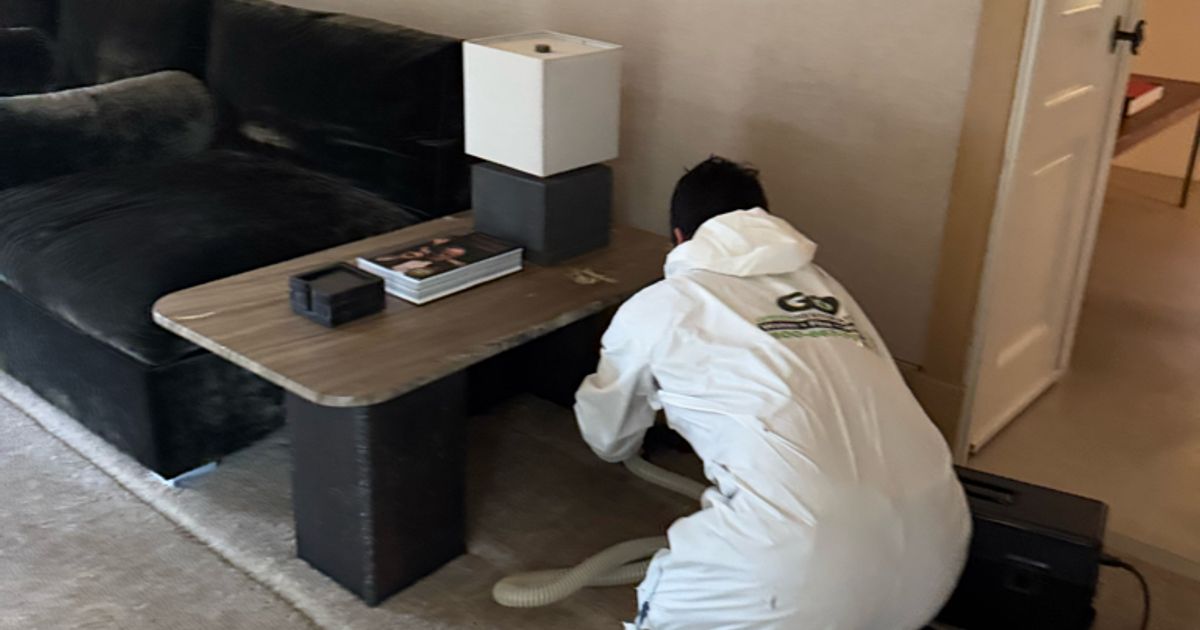
Learn how El Monte's San Gabriel Valley location creates unique wildfire risks and discover essential property protection strategies for homeowners.
El Monte's position in the San Gabriel Valley creates unique wildfire challenges that many residents don't fully understand. While the city itself sits in an urban valley setting, the surrounding foothills and seasonal Santa Ana winds can rapidly spread fires from nearby mountainous areas into neighborhoods like Mountain View and South El Monte. The Whittier Narrows Recreation Area, with its extensive grasslands and riparian vegetation along the San Gabriel River, can serve as a fire corridor during extreme weather events.
The combination of El Monte's older housing stock and the valley's notorious summer heat creates additional fire vulnerabilities. Properties in ZIP codes 91732 and 91734, particularly those closer to the Whittier Narrows, face elevated risks during red flag warning conditions when humidity drops and winds intensify. Understanding these local fire dynamics is essential for protecting your investment, and companies like Go Green Restoration have seen firsthand how quickly fire & smoke damage restoration in El Monte becomes necessary when prevention measures fall short.
Understanding El Monte's Fire Risk Geography
El Monte's location in the San Gabriel Valley creates a natural funnel effect for hot, dry Santa Ana winds that typically blow from October through April. These winds can reach speeds of 40-70 mph, carrying embers from fires in the San Gabriel Mountains directly into residential areas. The Medina neighborhood, situated on the city's eastern edge near Baldwin Park, faces particular exposure as winds channel through the valley floor.
The San Gabriel River corridor and Whittier Narrows Recreation Area present additional concerns. During drought conditions, the native vegetation in these areas becomes highly combustible. Properties along Peck Road and those backing up to the recreation area in South El Monte should pay special attention to ember exposure, as winds can carry burning debris for miles. The El Monte Airport area, with its open spaces and industrial buildings, can also contribute to fire spread during extreme weather events.
El Monte's elevation of approximately 285 feet above sea level, combined with the surrounding mountain ranges, creates temperature inversions that trap hot air and reduce humidity. This microclimate effect makes the entire valley more susceptible to fire conditions, particularly during late summer and early fall when temperatures regularly exceed 100°F.
Creating Defensible Space Around Your El Monte Home
Defensible space requirements in Los Angeles County mandate specific clearances that El Monte homeowners must maintain. Within the first 30 feet of your home, remove all dead vegetation, dry grass, and overhanging tree branches. Many properties in the Mountain View area have mature pepper trees and eucalyptus that require regular pruning to prevent branches from touching rooflines or extending over structures.
Properties near the Whittier Narrows should pay particular attention to managing native vegetation. Remove tumbleweeds, dry brush, and dead palm fronds that accumulate during El Monte's dry season. The area's clay soil retains moisture poorly, causing landscaping to dry out quickly once irrigation stops. Consider replacing high-maintenance grass areas with fire-resistant ground cover, particularly on slopes or areas difficult to irrigate consistently.
For homes in South El Monte's older neighborhoods, defensible space becomes more challenging due to smaller lot sizes and mature landscaping. Focus on creating fuel breaks by spacing plants appropriately and maintaining green, well-watered vegetation closest to your home. Remove any vegetation growing against exterior walls, and ensure that trees are pruned to prevent branches from overhanging rooflines or touching power lines.
Home Hardening Strategies for Valley Properties
El Monte's older housing stock, much of it built before modern fire codes, requires specific hardening measures. Many homes in ZIP codes 91731 and 91733 feature original wood siding, single-pane windows, and composition roofing that needs upgrading. Start with your roof, as ember intrusion through gaps in tiles or shingles represents the primary ignition risk for valley homes.
Install mesh screening over all exterior vents, including foundation vents common in El Monte's older homes. The city's summer heat often leads homeowners to open windows and doors, but during fire weather, these openings become ember entry points. Consider upgrading to dual-pane windows with tempered glass, which better withstand radiant heat exposure.
Gutter maintenance becomes particularly important given El Monte's mature tree canopy. Properties along Ramona Boulevard and Garvey Avenue, with their established neighborhoods, accumulate significant leaf debris that creates fire fuel directly against structures. Install gutter guards and clean gutters monthly during fire season, paying special attention to areas where trees overhang rooflines.
Evacuation Planning for El Monte's Geography
El Monte's street layout and traffic patterns significantly impact evacuation timing. The city's position between major freeways (I-10, I-605, SR-60) provides multiple escape routes, but these same corridors become congested during emergencies. Residents in South El Monte should identify at least three evacuation routes, as the area's proximity to the San Gabriel River limits northern escape options.
The Mountain View neighborhood's location near Temple City provides additional evacuation routes via Las Tunas Drive and Lower Azusa Road. However, these surface streets can become bottlenecks during widespread evacuations. Plan evacuation routes that avoid crossing the San Gabriel River, as bridges may become impassable during simultaneous flood and fire events.
Develop neighborhood communication networks, particularly in areas near the Whittier Narrows where cell service can be spotty. Many El Monte residents work in nearby cities like West Covina or Rosemead, meaning family members may be separated during daytime emergencies. Establish out-of-area contact persons and meeting locations that account for El Monte's position within the broader San Gabriel Valley evacuation zone.
## Related Articles
Learn more about restoration services in El Monte:
- Fire Damage Emergency Steps for El Monte Homeowners: Your Recovery Guide
- Post-Fire Rebuilding in El Monte: What to Expect
El Monte's clay soil and valley drainage patterns create unique post-fire challenges. After vegetation burns in surrounding areas, the city becomes more susceptible to flooding and debris flows during winter rains. Properties in lower-lying areas, particularly those near the San Gabriel River corridor, should prepare for potential flood damage following fire events in upstream watersheds.
Document your property thoroughly with photos and videos, paying special attention to landscaping, exterior features, and interior contents. El Monte's older homes often contain unique architectural details and mature landscaping that can be difficult to replace. Store documentation off-site or in cloud storage, as local storage may be compromised during fire events.
Understand your insurance coverage and how it applies to El Monte's specific risks. Many policies treat fire and flood as separate events, but the city's geography means these disasters often occur in sequence. Review coverage for temporary housing, as El Monte's limited hotel capacity means displaced residents may need to relocate to other valley cities during recovery periods.
Need Professional Help?
Go Green Restoration provides 24/7 emergency services throughout Los Angeles and Ventura Counties. Licensed (#1005708), bonded, and insured.