Wildfire Risk in Piru: How to Protect Your Property from Fire Damage
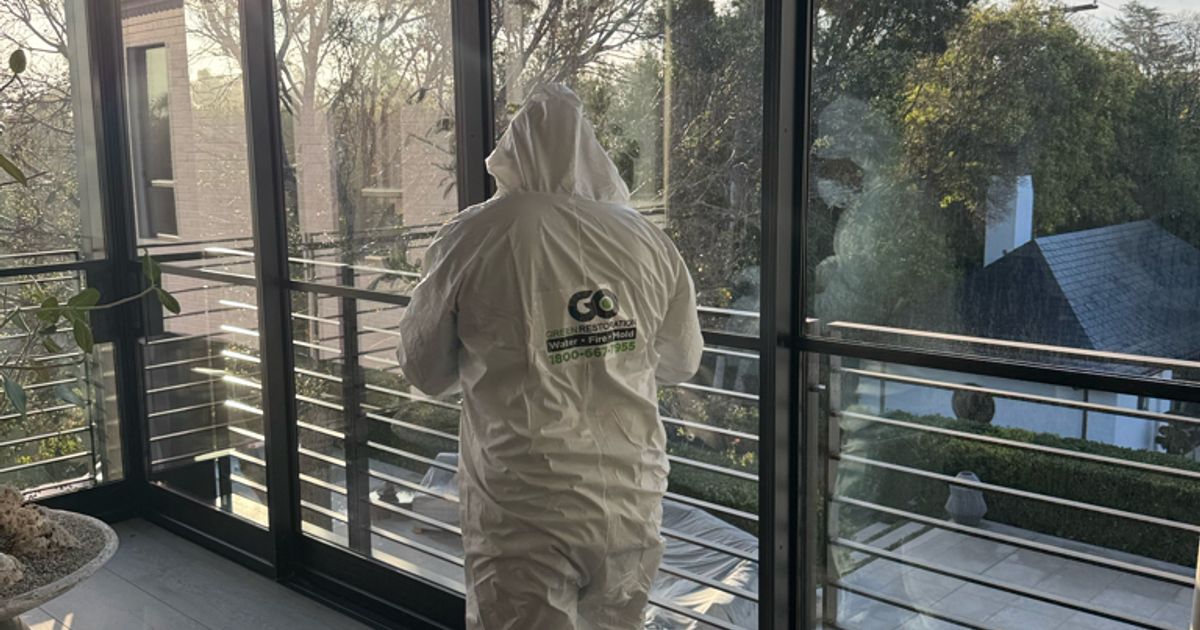
Learn how Piru's rural location and dry vegetation create wildfire risks. Essential tips for defensible space and home hardening in this small Ventura County community.
Piru's remote location in eastern Ventura County creates unique wildfire challenges that homeowners must understand and prepare for. This small agricultural community of just over 2,000 residents sits surrounded by dry brush and chaparral that can ignite quickly during Santa Ana wind events. The town's distance from major fire stations means emergency response times are longer than in more populated areas, making property protection measures even more important for residents.
The terrain around Lake Piru and the surrounding hillsides creates natural fire corridors where flames can travel rapidly uphill toward homes. Properties near the historic Piru Mansion and throughout the Piru Community face elevated risk during red flag warning periods, particularly when hot, dry winds push fires from the Los Padres National Forest toward residential areas. Understanding these local conditions helps homeowners make informed decisions about fire & smoke damage restoration in Piru and preventive measures.
Understanding Piru's Fire Risk Geography
Piru's position in a valley surrounded by steep hillsides covered in native vegetation creates a perfect storm for wildfire spread. The community sits at the confluence of several natural drainage areas where dry winds can funnel through, accelerating fire movement toward homes. Properties on the eastern edge of town, closer to the Los Padres National Forest boundary, face the highest risk as fires typically approach from these wilderness areas.
The agricultural lands around Piru provide some natural firebreaks, but the numerous orchards and fields with dry seasonal vegetation can also carry fire during drought conditions. Homes near Piru Creek benefit from the riparian vegetation that stays greener longer, but the creek bed itself can become a fire corridor during extended dry periods when vegetation dies back.
Santa Ana wind events pose particular danger to Piru residents, as these hot, dry winds can carry embers for miles and create spot fires well ahead of the main fire front. The town's elevation and topography channel these winds, creating unpredictable fire behavior that has caught residents off guard in past incidents.
Creating Defensible Space Around Your Piru Home
Piru homeowners must adapt defensible space strategies to the area's specific vegetation and terrain challenges. Zone 1, the immediate 30 feet around structures, requires removing all dead vegetation and maintaining irrigated landscaping where possible. Given the area's agricultural character, many properties have mature fruit trees that should be pruned to remove dead branches and create clearance from roof lines.
Zone 2, extending 30 to 100 feet from homes, requires different approaches depending on your property's location within Piru. Properties backing up to hillsides need aggressive vegetation management on slopes, as fire travels uphill three times faster than on flat ground. Remove ladder fuels like low-hanging tree branches that can carry ground fires into tree canopies.
Many Piru properties include outbuildings, barns, and equipment storage areas common in agricultural communities. These structures need their own defensible space and should be positioned to avoid creating fire corridors toward your main residence. Clear vegetation around propane tanks, generators, and other equipment that could fuel fires or create hazards during evacuations.
Home Hardening for Piru's Fire Conditions
Piru's older housing stock requires specific hardening measures to resist wildfire damage. Many homes in the community were built before modern fire codes, with wood siding, single-pane windows, and composition roofing that can ignite from ember exposure. Upgrading to fire-resistant materials becomes especially important given the longer emergency response times in this rural area.
Replace wood shake roofing with Class A fire-rated materials like metal or tile. Install dual-pane windows with tempered glass that can better withstand radiant heat. Screen all vents with 1/8-inch mesh to prevent ember intrusion, paying special attention to eave and foundation vents where embers commonly enter homes.
Given Piru's agricultural setting, many properties have wooden fencing, gates, and landscaping features that can carry fire directly to structures. Replace wood fencing within 30 feet of homes with metal alternatives, or create breaks in fence lines using non-combustible materials. Consider the fire resistance of irrigation systems and ensure you have backup power for water pumps during power outages.
Evacuation Planning for Piru's Rural Setting
Piru's remote location requires more detailed evacuation planning than urban areas. With limited access roads and potential for traffic bottlenecks at key intersections, residents must prepare for multiple evacuation scenarios. The primary evacuation route via Highway 126 can become congested quickly when neighboring communities like Fillmore and Santa Paula also evacuate simultaneously.
Develop alternative evacuation routes that avoid potential bottlenecks, including back roads toward Castaic or routes through agricultural areas that connect to major highways. Keep vehicles fueled and ready, as gas stations in Piru and nearby communities may lose power or become overwhelmed during emergencies. Store important documents in easily accessible locations and maintain emergency supplies for extended stays away from home.
Coordinate evacuation plans with neighbors, particularly elderly residents or those with mobility challenges who may need assistance. The tight-knit nature of the Piru Community means neighbors often rely on each other during emergencies, but formal planning ensures no one gets overlooked when evacuation orders come quickly.
## Related Articles
Learn more about restoration services in Piru:
When wildfire does impact Piru properties, quick response minimizes long-term damage and health risks. Smoke and soot can penetrate homes even when structures don't burn, requiring professional remediation to address indoor air quality issues. Go Green Restoration has helped numerous Ventura County homeowners recover from fire damage using eco-friendly methods that protect both property and environmental health.
Document all fire damage thoroughly before beginning cleanup, as insurance claims in rural areas like Piru often face additional scrutiny. Work with qualified restoration professionals who understand the unique challenges of working in remote locations where material delivery and waste disposal require special coordination.
Piru's agricultural economy means many residents have valuable equipment, livestock facilities, and crop investments to protect. Develop relationships with restoration contractors before emergencies occur, as demand for services spikes dramatically after major fire events affect multiple communities simultaneously.
Need Professional Help?
Go Green Restoration provides 24/7 emergency services throughout Los Angeles and Ventura Counties. Licensed (#1005708), bonded, and insured.