Wildfire Risk in South San Gabriel: How to Protect Your Property
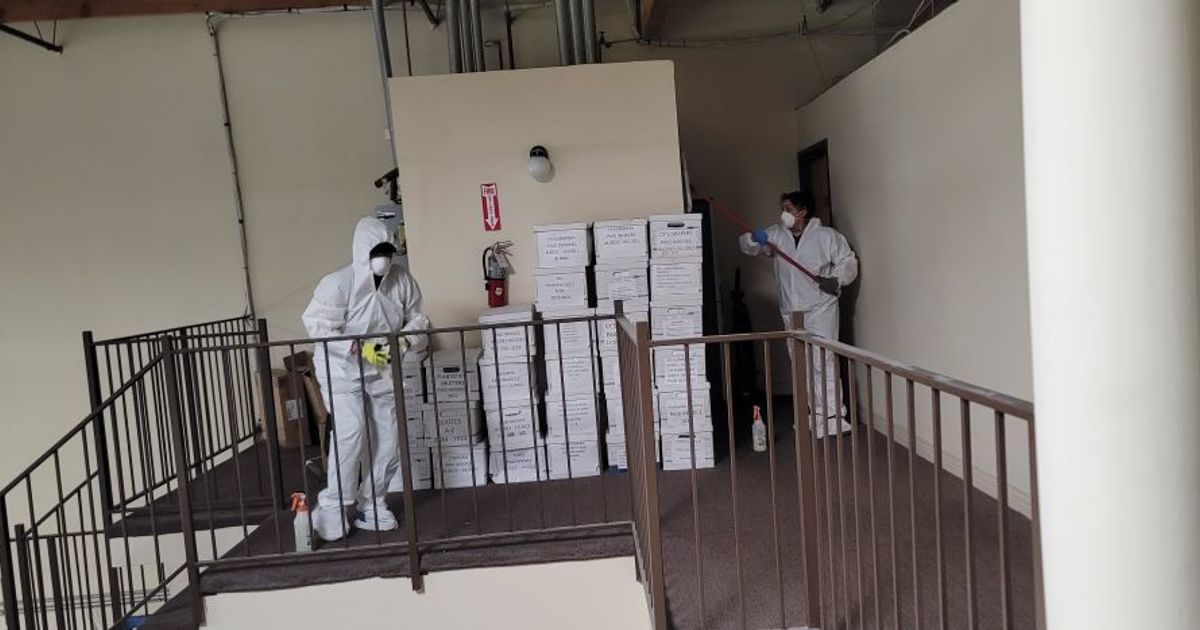
Learn about wildfire risks in South San Gabriel, CA and essential property protection strategies for San Gabriel Valley homeowners.
South San Gabriel's location in the San Gabriel Valley creates unique wildfire challenges that homeowners must understand and prepare for. The community's position between the San Gabriel Mountains to the north and urban areas like Rosemead and Monterey Park to the south places properties in a transitional zone where mountain fire risks meet suburban vulnerabilities.
The combination of Santa Ana winds, which frequently sweep through the San Gabriel Valley, and the area's proximity to natural vegetation corridors creates conditions where fires can spread rapidly from the foothills into residential neighborhoods. During extreme weather events, embers can travel several miles, potentially igniting homes even when the main fire front is distant. Professional fire & smoke damage restoration in South San Gabriel becomes essential when these events impact local properties.
Go Green Restoration has observed how the valley's unique topography and weather patterns affect fire behavior, helping homeowners understand their specific risks and recovery needs when fire damage occurs.
Understanding South San Gabriel's Fire Risk Geography
South San Gabriel's elevation and terrain create specific fire behavior patterns that differ from both mountain communities and flat urban areas. The community sits at approximately 300 feet elevation, with gentle slopes that can accelerate fire spread when combined with the area's frequent wind events. The San Gabriel River corridor, running near the community's eastern edge, provides natural firebreaks but also creates wind channels that can carry embers.
Local vegetation includes both native chaparral species and ornamental landscaping common throughout the San Gabriel Valley. Many properties feature mature trees planted decades ago, including eucalyptus and pine species that can become fire hazards during drought conditions. The area's Mediterranean climate means vegetation dries significantly during summer and fall months, creating extended fire seasons that typically run from May through November.
Neighborhood characteristics also influence fire risk. Many homes in the 91770 ZIP code area were built between the 1950s and 1970s, featuring construction materials and designs that may not meet current fire-resistant standards. Properties with older wood siding, shake roofs, or extensive eaves create additional vulnerabilities during ember storms.
Creating Effective Defensible Space
Defensible space requirements in South San Gabriel focus on managing vegetation within specific zones around structures. Zone 1 extends 30 feet from buildings and requires the most aggressive vegetation management. Remove all dead plant material, trim tree branches to at least 10 feet from structures, and maintain lawn areas with adequate irrigation.
Zone 2 extends from 30 to 100 feet from structures, where selective thinning and fuel reduction become priorities. Many South San Gabriel properties have limited space for full Zone 2 implementation, making neighbor cooperation essential. Work with adjacent property owners along shared fence lines to create continuous fuel breaks.
Pay special attention to areas where your property interfaces with South San Gabriel Park or other public spaces. These areas can accumulate debris and overgrown vegetation that creates fire pathways toward residential areas. Regular maintenance of property edges, especially along the park boundaries, helps protect both individual homes and the broader community.
Consider the area's water pressure limitations when planning defensible space. Some neighborhoods experience reduced water pressure during peak demand periods, making sprinkler systems less reliable during fire events. Focus on creating fuel breaks that don't rely solely on irrigation for fire resistance.
Home Hardening for San Gabriel Valley Conditions
Home hardening in South San Gabriel must address both direct fire exposure and ember intrusion, which poses the greatest risk to valley communities. Start with roof systems, as many local homes feature composition shingles or tile roofs that can trap embers in gaps and valleys. Install ember-resistant ridge vents and ensure all roof penetrations are properly sealed.
Window protection becomes especially important given the area's wind patterns. Install dual-pane windows with tempered glass, and consider exterior shutters or screens for windows facing north toward the foothills. Many South San Gabriel homes have large picture windows popular in mid-century construction that create significant vulnerabilities during radiant heat exposure.
Address ventilation systems throughout the home. Attic vents, foundation vents, and HVAC systems can draw embers into structures. Install 1/8-inch mesh screens over all exterior vents, and consider upgrading to ember-resistant vent designs. Ensure crawl spaces and attics are clear of combustible storage materials.
Upgrade exterior materials where possible. Replace wood fencing with fire-resistant alternatives, especially along property lines facing undeveloped areas. Consider fire-resistant siding materials when renovating, particularly on north-facing walls that would face approaching fires from the foothills.
Evacuation Planning and Community Resources
South San Gabriel's street layout and connections to major arterials like Valley Boulevard and San Gabriel Boulevard create both evacuation advantages and potential bottlenecks. Primary evacuation routes typically lead south toward Monterey Park and Alhambra, away from foothill fire origins. However, these routes can become congested during widespread evacuations affecting the broader San Gabriel Valley.
Develop multiple evacuation route options, including secondary paths through San Gabriel and Rosemead. Practice these routes during different times of day to understand traffic patterns and potential delays. Many residents work in downtown Los Angeles or other distant locations, making family reunification planning essential.
Stay connected with community alert systems specific to Los Angeles County and the San Gabriel Valley region. Sign up for emergency notifications through LA County's emergency management system, and monitor local news sources that understand regional fire behavior patterns.
Prepare evacuation supplies that account for the area's typical traffic delays. Include extra water, medications, and pet supplies for potentially extended travel times. Store important documents in easily accessible fireproof containers, and maintain digital copies in cloud storage systems accessible from any location.
## Related Articles
Learn more about restoration services in South San Gabriel:
- Fire Damage Insurance Claims in South San Gabriel: Complete Guide
- Choosing a Fire Restoration Company in South San Gabriel: A Homeowner's Guide
- Fire Damage Emergency Steps for South San Gabriel Homeowners
Post-fire recovery in South San Gabriel involves unique challenges related to the community's age and infrastructure. Many homes built in the 1950s and 1960s contain materials that require special handling during restoration, including asbestos insulation and lead paint that become hazardous when fire-damaged.
The area's aging infrastructure can complicate restoration efforts. Water damage from firefighting efforts may reveal underlying plumbing issues common in older San Gabriel Valley homes. Electrical systems may require complete replacement if fire or smoke damage affects outdated wiring systems.
Work with restoration professionals who understand local building codes and permit requirements specific to Los Angeles County. The rebuilding process often provides opportunities to upgrade homes with fire-resistant materials and systems, creating better protection for future fire seasons while maintaining the community's character.
Need Professional Help?
Go Green Restoration provides 24/7 emergency services throughout Los Angeles and Ventura Counties. Licensed (#1005708), bonded, and insured.