Wildfire Risk in Vernon: How to Protect Your Industrial Property
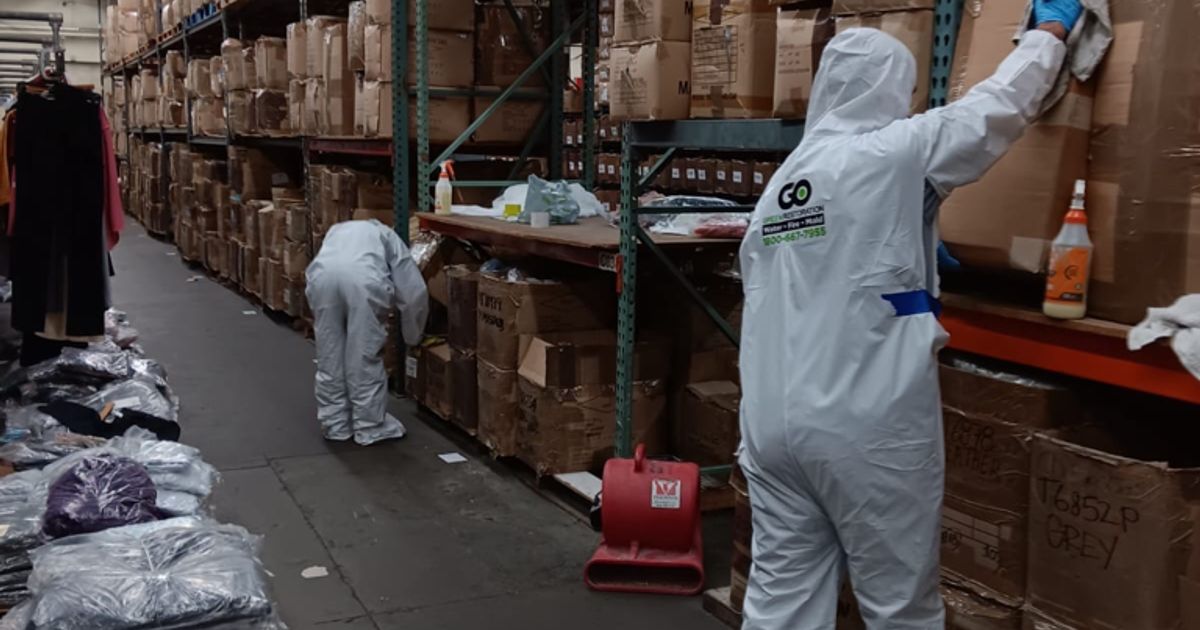
Learn how Vernon's industrial facilities face unique wildfire risks and discover essential fire protection strategies for commercial properties in this LA County city.
Vernon's concentrated industrial landscape creates a unique wildfire risk profile that differs significantly from residential communities in Los Angeles County. With over 1,800 businesses packed into just 5.2 square miles along the Industrial Corridor and Vernon Avenue, this city faces the challenge of protecting massive commercial facilities, warehouses, and manufacturing plants from wildfire threats. The proximity to the Los Angeles River channel and surrounding urban areas means that fires can spread rapidly through interconnected industrial complexes. Property managers and business owners need specialized fire & smoke damage restoration in Vernon services that understand the complexities of industrial fire damage, including potential hazardous material contamination and large-scale structural impacts.
Understanding Vernon's Industrial Fire Risk Factors
Vernon's industrial density creates a domino effect during wildfire events, where flames can jump from one facility to another through shared walls, rooflines, and utility corridors. The city's location between Huntington Park, Maywood, Commerce, and South Gate means that wildfires approaching from the San Gabriel Mountains or Santa Monica Mountains can funnel through urban canyons, picking up speed as they encounter Vernon's industrial structures. Many of the older buildings along the Industrial District were constructed before modern fire codes, featuring large open spaces with minimal fire barriers and extensive use of combustible materials in roofing and siding.
The flat-roof design common throughout Vernon's industrial buildings presents additional challenges during wildfire season. These roofs often accumulate debris, dried vegetation, and combustible materials that can ignite from wind-blown embers traveling miles from active fires. The prevalence of chemical storage, petroleum products, and manufacturing materials in Vernon facilities means that even small fires can escalate rapidly and burn at extremely high temperatures, requiring specialized suppression techniques.
Creating Defensible Space Around Industrial Properties
Defensible space planning in Vernon requires a different approach than residential properties, focusing on the industrial-scale infrastructure that defines the city. Property managers should maintain clear zones around buildings by removing combustible storage materials, pallets, and equipment from within 30 feet of structures. The loading docks and truck staging areas common throughout Vernon's Industrial Corridor should be kept free of accumulated debris, cardboard, and other materials that can serve as fire fuel.
Vegetation management along Vernon Avenue and the perimeter areas near the Los Angeles River requires regular attention, as dried grasses and weeds can provide pathways for fire to reach buildings. Many Vernon properties feature minimal landscaping, but where vegetation exists, it should be maintained with proper spacing and moisture levels. The city's industrial water infrastructure, while robust for manufacturing needs, should be evaluated for fire suppression capacity, ensuring that hydrant access remains clear and water pressure adequate for emergency response.
Industrial Building Hardening Strategies
Hardening industrial buildings in Vernon involves addressing the unique vulnerabilities of large-scale commercial structures. Roof systems throughout the Industrial District should be upgraded with fire-resistant materials, particularly important given the prevalence of flat roofs that can accumulate embers. Installing ember-resistant vents and covering exposed openings helps prevent fire intrusion into warehouse spaces and manufacturing areas.
Window and door upgrades in Vernon's industrial buildings should focus on the large bay doors and extensive window systems common in manufacturing facilities. Tempered glass and metal framing provide better fire resistance than older single-pane systems. The extensive electrical and HVAC systems in Vernon's industrial buildings require special attention, with proper clearances around equipment and fire-resistant materials protecting critical infrastructure.
Fire suppression systems in Vernon's industrial facilities should be designed for the specific hazards present, whether chemical storage, manufacturing processes, or high-value inventory. Sprinkler systems, fire barriers, and emergency power systems need regular maintenance and testing to ensure functionality during wildfire events when utility services may be compromised.
Emergency Planning for Vernon's Industrial Community
Evacuation planning in Vernon focuses on coordinating the movement of workers and securing industrial operations rather than residential evacuation. The city's limited population of 222 residents primarily consists of facility managers and security personnel who need clear protocols for shutting down operations and securing hazardous materials. The Industrial Corridor's truck traffic and narrow access roads can create bottlenecks during emergency evacuations, requiring coordination with neighboring cities like Commerce and Bell for alternative routes.
Business continuity planning becomes essential in Vernon, where industrial shutdowns can have regional economic impacts. Facilities should maintain relationships with restoration professionals who understand industrial fire damage, including the complexities of smoke contamination in manufacturing environments and the specialized equipment needed for large-scale cleanup operations. Go Green Restoration has extensive experience with Vernon's industrial properties, understanding the unique challenges of restoring manufacturing facilities and warehouses after fire events.
Emergency communication systems in Vernon must account for the 24/7 operations common in industrial facilities, with multiple shifts of workers and varying levels of English proficiency among employees. Clear signage, multiple communication channels, and coordination with Los Angeles County emergency services ensure effective response during wildfire threats.
Post-Fire Recovery and Restoration Considerations
Recovery from fire damage in Vernon's industrial setting involves complex considerations around hazardous materials, structural integrity of large-span buildings, and specialized equipment contamination. The city's industrial insurance requirements and regulatory compliance add layers of complexity to restoration projects, requiring contractors familiar with industrial environmental standards and safety protocols.
The interconnected nature of Vernon's industrial operations means that fire damage to one facility can impact supply chains and business relationships throughout the region. Rapid response and professional restoration services become critical for minimizing business interruption and maintaining the economic vitality that defines this unique Los Angeles County city.
For more information, visit our fire & smoke damage resources.
Need Professional Help?
Go Green Restoration provides 24/7 emergency services throughout Los Angeles and Ventura Counties. Licensed (#1005708), bonded, and insured.