Hidden Hills Building Permits and Codes for Restoration Projects: Complete Guide for Estate Owners
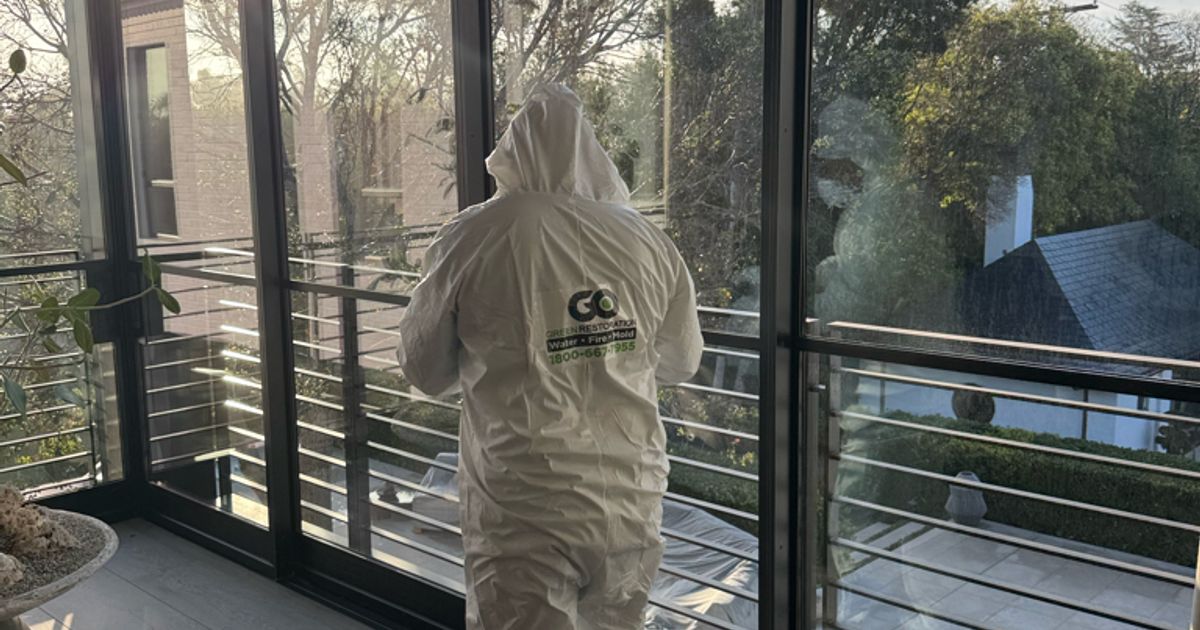
Navigate Hidden Hills building permits and codes for restoration projects. Essential guide for estate owners in this exclusive gated community.
Hidden Hills estate owners face unique challenges when planning restoration projects in this exclusive gated community. The city's stringent building codes and permit requirements reflect the community's commitment to preserving its rural character while ensuring safety in a high wildfire risk zone. Understanding these regulations before beginning any restoration work can save property owners significant time and money.
The permitting process in Hidden Hills involves coordination between the city's building department and Los Angeles County, creating additional layers of oversight for restoration projects. Estate properties in Hidden Hills Estates often require specialized permits due to their size, complexity, and proximity to equestrian facilities. For homeowners planning major restoration work, professional guidance from experienced contractors familiar with construction & remodeling in Hidden Hills regulations proves invaluable in navigating this process successfully.
When Building Permits Are Required in Hidden Hills
Hidden Hills requires permits for most restoration projects beyond basic maintenance and repairs. Any structural modifications, electrical work, plumbing updates, or HVAC system installations trigger permit requirements. Given the community's large estate homes, common restoration projects requiring permits include pool renovations, guest house restorations, stable repairs, and extensive interior remodeling.
Fire damage restoration projects in Hidden Hills always require permits, particularly important given the area's location in a high wildfire risk zone near the Santa Monica Mountains. The city mandates permits for roof replacements, foundation repairs, and any work involving load-bearing walls. Even seemingly minor projects like replacing windows or upgrading electrical panels in these large homes require proper permitting due to the community's strict building standards.
Water damage restoration involving structural elements also triggers permit requirements. Hidden Hills' estate properties often feature complex water management systems for pools, spas, and irrigation systems that serve extensive grounds. When these systems fail and cause structural damage, restoration work typically requires permits to ensure proper waterproofing and drainage solutions.
Application Process and Required Documentation
The permit application process in Hidden Hills begins at the city's building department, located near the Hidden Hills Community Center. Property owners must submit detailed plans prepared by licensed professionals, including architectural drawings, structural calculations, and engineering reports when applicable. The city requires these plans to demonstrate compliance with both local codes and California's stringent seismic and fire safety standards.
For restoration projects on Hidden Hills' estate properties, applications must include site plans showing the relationship between proposed work and existing structures, including equestrian facilities, pools, and guest houses. The city reviews these plans to ensure compliance with setback requirements and height restrictions that preserve the community's rural character.
Processing times vary depending on project complexity, but Hidden Hills typically requires 2-4 weeks for standard restoration permits. More complex projects involving structural modifications or fire damage restoration may require additional review time. The city encourages pre-application meetings for major restoration projects, allowing property owners to address potential issues before formal submission.
Inspection Requirements and Scheduling
Hidden Hills requires multiple inspections throughout restoration projects to ensure code compliance. The inspection process typically begins with a foundation or framing inspection, followed by rough electrical, plumbing, and mechanical inspections before walls are closed. Final inspections verify that all work meets approved plans and code requirements.
Scheduling inspections in Hidden Hills requires advance notice, typically 24-48 hours. The city's building inspectors are familiar with the unique challenges of estate properties, including access issues through the gated community and the complexity of systems in large homes. Inspectors pay particular attention to fire safety measures, given the community's wildfire risk, and water management systems that protect these valuable properties.
Failed inspections require corrections before work can proceed, potentially delaying project completion. Common issues in Hidden Hills restoration projects include improper fire-resistant materials, inadequate ventilation in large spaces, and non-compliant electrical work in older estate homes. Working with contractors experienced in Hidden Hills regulations helps avoid these costly delays.
Code Compliance for Estate Properties
Hidden Hills enforces strict building codes that reflect both state requirements and local conditions. Fire safety codes are particularly stringent, requiring fire-resistant materials and defensible space around structures. Estate properties must maintain specific clearances from vegetation, particularly important given the community's location near natural areas prone to wildfire.
Seismic safety codes apply to all restoration work in Hidden Hills, requiring proper anchoring and bracing of restored elements. The community's large homes often feature heavy materials like stone and tile that require special consideration during restoration to meet earthquake safety standards. Swimming pools and spas, common features on Hidden Hills estates, must comply with updated safety codes including proper barriers and drainage systems.
Electrical codes in Hidden Hills require GFCI protection in areas prone to moisture, particularly important given the extensive outdoor living spaces and water features common on estate properties. The city also enforces energy efficiency standards that may require upgrades to insulation, windows, and HVAC systems during major restoration projects.
Working with Local Professionals
Successful restoration projects in Hidden Hills benefit from working with professionals familiar with the community's unique requirements. Local contractors understand the permitting process, inspection expectations, and code requirements specific to estate properties. They also have established relationships with city staff and can navigate the approval process more efficiently.
Go Green Restoration has extensive experience with Hidden Hills' permitting and code requirements, helping estate owners complete restoration projects that meet all local standards while preserving property values. Professional contractors also understand the logistical challenges of working in this gated community, including scheduling deliveries and coordinating with security.
Choosing experienced professionals familiar with Hidden Hills regulations ensures restoration projects proceed smoothly through the permitting process. These experts can identify potential code compliance issues early, recommend appropriate materials and methods, and coordinate inspections to keep projects on schedule. Their knowledge of local requirements proves especially valuable for complex restoration projects on the community's unique estate properties.
For more information, visit our home restoration resources.
Need Professional Help?
Go Green Restoration provides 24/7 emergency services throughout Los Angeles and Ventura Counties. Licensed (#1005708), bonded, and insured.