Sierra Madre Building Permits and Codes: A Homeowner's Guide to Restoration Projects
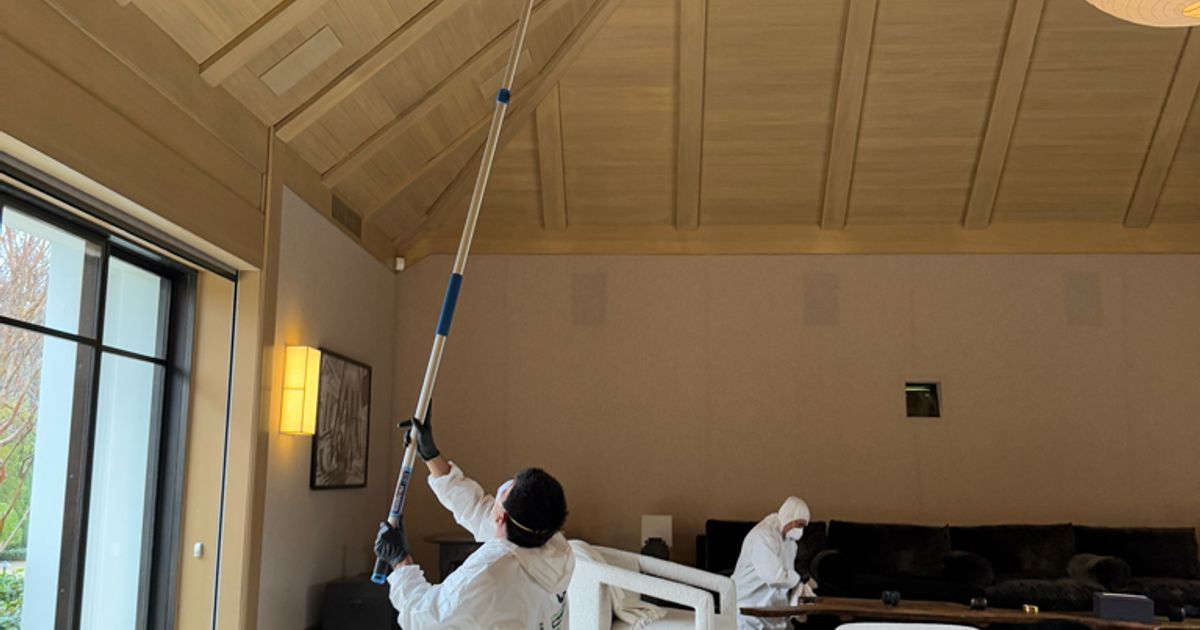
Navigate Sierra Madre's building permit process for restoration projects. Learn code requirements, application steps, and inspection procedures for foothill homes.
Sierra Madre homeowners face unique restoration challenges due to the city's location against the San Gabriel Mountains, where wildfire risks and mature tree root systems create ongoing property maintenance needs. The city's building department at 232 W. Sierra Madre Boulevard handles permits for restoration work, with specific requirements that reflect the community's foothill environment and small-town character. Understanding these requirements helps homeowners in neighborhoods like the Canyon Area and Stonehouse Trail Area navigate the restoration process successfully, especially when dealing with construction & remodeling in Sierra Madre following damage from natural disasters or aging infrastructure.
When Building Permits Are Required in Sierra Madre
Sierra Madre requires permits for most restoration projects that involve structural modifications, electrical work, or plumbing changes. Properties in the Canyon Area often need permits for foundation repairs related to soil movement from heavy rains, while homes throughout the 91024 and 91025 ZIP codes require permits for roof replacements following wildfire damage or preparation. The city mandates permits for sewer line repairs, which frequently occur due to root intrusion from the mature trees that characterize Sierra Madre's established neighborhoods. Window and door replacements in homes built before 1978 require permits to ensure lead-safe work practices, particularly important given the age of many properties near Bailey Canyon Park. Even seemingly minor work like electrical panel upgrades requires permits, especially in older homes that may not meet current seismic standards required in this earthquake-prone foothill location.
The Sierra Madre Permit Application Process
Homeowners begin the permit process at Sierra Madre's Community Services Department, located in the historic City Hall at 232 W. Sierra Madre Boulevard. The application requires detailed plans showing the scope of restoration work, with special attention to how the project addresses wildfire safety requirements given the city's location in a high-risk zone. Properties near the San Gabriel Mountains foothills must include defensible space plans when restoration involves exterior modifications. The city requires soil reports for foundation work in the Canyon Area due to the debris flow risk during heavy rains, while properties throughout Sierra Madre need structural engineering reports for significant modifications to ensure earthquake resistance. Application fees vary based on project scope, with residential restoration permits typically ranging from $200 for minor electrical work to $2,000 for major structural repairs. Go Green Restoration Inc works regularly with Sierra Madre's building department and understands the specific documentation requirements for restoration projects in this unique foothill community.
Building Code Requirements for Sierra Madre Restorations
Sierra Madre follows California Building Code with local amendments that address the city's specific environmental challenges. Wildfire safety codes require fire-resistant materials for exterior restoration work, particularly important for properties backing up to Bailey Canyon Park and other wildland areas. The city mandates specific roof materials and defensible space requirements for properties in the wildland-urban interface zones that cover much of Sierra Madre's residential areas. Foundation work must meet enhanced seismic standards due to the proximity to active fault lines in the San Gabriel Mountains, while drainage systems must handle the intense water flows that occur during heavy rains in this foothill location. Electrical systems require AFCI (Arc Fault Circuit Interrupter) protection throughout restored areas, addressing fire safety concerns in a community that has faced direct wildfire threats like the 2008 Santa Anita Fire. Plumbing codes emphasize water conservation measures, reflecting Southern California's ongoing drought conditions and Sierra Madre's commitment to environmental stewardship.
Inspection Schedules and Requirements
Sierra Madre requires multiple inspections throughout the restoration process, with scheduling typically done 24 hours in advance through the city's building department. Foundation inspections occur before concrete pours, particularly important for Canyon Area properties where soil conditions require special attention to drainage and stability. Framing inspections verify that structural work meets seismic requirements, while electrical rough-in inspections ensure proper installation before walls close up. The city conducts insulation inspections to verify energy efficiency measures, important for homes in Sierra Madre's varied elevation zones where temperature differences can be significant. Final inspections include verification of wildfire safety measures like defensible space compliance and proper venting systems. Properties near the Stonehouse Trail Area may require additional inspections related to hillside construction standards, while homes throughout the city need final inspections that verify proper installation of smoke detectors and carbon monoxide detectors as required by current codes.
Code Compliance for Historic and Unique Properties
Many Sierra Madre homes feature unique architectural elements that require special consideration during restoration projects. Properties built before 1940, common throughout the city's established neighborhoods, may qualify for historic preservation guidelines that allow alternative compliance methods while maintaining character. The city works with homeowners to balance code requirements with preservation of Sierra Madre's small-town charm, particularly for homes near landmarks like the famous Sierra Madre Wisteria Vine. Seismic retrofitting requirements apply to older homes but can often be accomplished through methods that preserve original architectural details. Properties with mature landscaping must comply with both building codes and tree preservation ordinances, especially important given Sierra Madre's reputation for its beautiful tree-lined streets. The city allows engineered solutions for unique situations, such as properties with unusual lot configurations common in the Canyon Area, where standard setback requirements may need modification while maintaining safety standards.
## Related Articles
Learn more about restoration services in Sierra Madre:
Successful restoration projects in Sierra Madre benefit from early communication with the building department staff, who understand the unique challenges facing homeowners in this foothill community. The city encourages pre-application meetings for complex restoration projects, particularly those involving properties affected by wildfire damage or soil movement issues common in areas near the San Gabriel Mountains. Building officials provide guidance on navigating requirements for properties in high-risk zones, helping homeowners understand how restoration work can improve safety while maintaining Sierra Madre's distinctive character. The department maintains regular office hours and provides online resources for common restoration scenarios, though complex projects benefit from in-person consultation. Homeowners should expect the permit process to take 2-4 weeks for standard restoration work, with additional time required for projects requiring soil reports or structural engineering reviews common in this geologically active area.
Need Professional Help?
Go Green Restoration provides 24/7 emergency services throughout Los Angeles and Ventura Counties. Licensed (#1005708), bonded, and insured.