How to Choose a Licensed Restoration Contractor in Santa Rosa Valley, CA
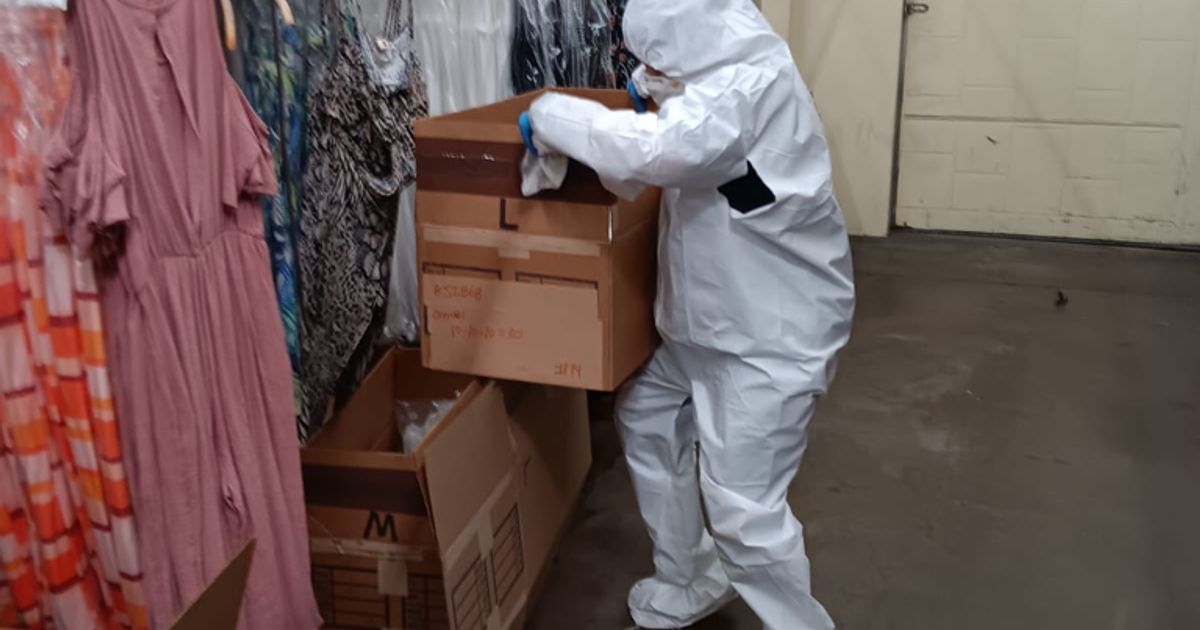
Essential guide for Santa Rosa Valley homeowners on selecting licensed restoration contractors, including CA licensing verification and local expertise.
Santa Rosa Valley's unique rural-residential setting creates specific restoration challenges that require experienced professionals. The community's location in Ventura County's eastern hills, surrounded by dry brush and chaparral, makes properties particularly vulnerable to wildfire damage like that experienced during the 2019 Easy Fire. Additionally, the valley's large estate properties with equestrian facilities face complex restoration needs involving extensive irrigation systems, outbuildings, and specialized structures that demand contractors with proper licensing and local expertise.
When restoration work becomes necessary in zip code 93012, whether from fire damage, water intrusion from hillside runoff, or general property improvements, selecting the right contractor protects both your investment and your family's safety. Professional construction & remodeling in Santa Rosa Valley requires understanding local building codes, environmental conditions, and the specific challenges facing properties in this wildfire-prone area.
Understanding California Contractor Licensing Requirements
California requires all contractors performing work over $500 to hold a valid license through the Contractors State License Board (CSLB). In Santa Rosa Valley, where properties often feature custom homes and extensive outbuildings for horses and equipment, restoration work frequently exceeds this threshold. Licensed contractors must demonstrate financial responsibility, pass trade examinations, and maintain insurance coverage.
The CSLB issues different license classifications based on specialty areas. General Building contractors (Class B) can handle most residential restoration projects, while specialty contractors focus on specific trades like plumbing or electrical work. For Santa Rosa Valley properties with complex irrigation systems serving equestrian facilities, ensure your contractor holds appropriate licenses for all aspects of the restoration work.
Verify any contractor's license status using the CSLB website or by calling their automated phone system. Check that the license remains active, review any disciplinary actions, and confirm the contractor's bond status. Santa Rosa Valley's remote location makes it easier for unlicensed contractors to operate undetected, making this verification step essential.
Evaluating Certifications and Insurance Coverage
Beyond basic licensing, restoration contractors serving Santa Rosa Valley should carry specialized certifications relevant to local conditions. The Institute of Inspection, Cleaning and Restoration Certification (IICRC) provides industry-standard training for water damage restoration, fire damage cleanup, and mold remediation. Given the valley's wildfire risk and potential for water damage from hillside runoff during storms, these certifications demonstrate professional competency.
Insurance requirements become particularly important for properties in Santa Rosa Valley Estates and surrounding areas. Contractors should carry general liability insurance with coverage limits appropriate for high-value properties common in the community. Workers' compensation insurance protects homeowners from liability if contractors are injured while working on properties with challenging terrain or multiple structures.
Request certificates of insurance directly from the contractor's insurance carrier, not just copies of policy documents. This verification ensures coverage remains current and adequate for your specific project. Properties along Santa Rosa Trail and similar locations may require additional coverage considerations due to access challenges and environmental factors.
Essential Questions for Contractor Interviews
Start by asking about the contractor's experience with properties similar to yours in Santa Rosa Valley. Restoration work on rural estates with equestrian facilities requires understanding of specialized systems and local building requirements. Inquire about recent projects in Ventura County and their familiarity with local permitting processes.
Discuss the contractor's approach to working in wildfire-prone areas. Experienced professionals should understand defensible space requirements, fire-resistant building materials, and coordination with local fire departments. Ask about their experience with insurance claim processes, as many Santa Rosa Valley residents have dealt with wildfire-related damage claims.
Request detailed information about project timelines and communication procedures. Rural properties can face material delivery challenges and coordination issues with multiple subcontractors. Establish clear expectations for progress updates and change order procedures before work begins.
Recognizing Red Flags and Warning Signs
Door-to-door solicitation represents a major red flag, particularly after natural disasters affect the Santa Rosa Valley area. Legitimate restoration contractors typically maintain established business relationships and don't need to canvas neighborhoods for work. Be especially wary of contractors who appear immediately after events like the Easy Fire, offering quick fixes or claiming emergency repairs can't wait for proper permits.
Avoid contractors who demand full payment upfront or request payment in cash only. California law limits down payments to 10% of the contract price or $1,000, whichever is less, for home improvement contracts. Contractors who pressure you to sign contracts immediately or claim their prices are only valid for a limited time often use high-pressure tactics to avoid proper scrutiny.
Pay attention to business legitimacy indicators. Contractors should provide physical business addresses, not just P.O. boxes, and maintain professional communication standards. Be cautious of contractors who lack proper vehicles, tools, or equipment for the scope of work proposed.
Obtaining and Verifying Local References
Request references from recent projects in Santa Rosa Valley and surrounding communities like Camarillo, Thousand Oaks, and Moorpark. Local references allow you to assess the contractor's work quality and their ability to handle the specific challenges facing properties in Ventura County's eastern region.
When contacting references, ask specific questions about project completion timelines, communication quality, and how well the contractor handled unexpected issues. Properties in Santa Rosa Valley often present unique challenges, from access difficulties to coordination with utility companies serving rural areas.
Drive by completed projects when possible, particularly those involving wildfire restoration or extensive remodeling work. Visual inspection helps verify the quality of workmanship and attention to detail that references describe. Go Green Restoration Inc, licensed in California (#1005708), maintains a portfolio of local projects that demonstrate their expertise in serving Ventura County's unique restoration needs.
Consider reaching out to local building departments in Ventura County for additional contractor recommendations. Building inspectors work regularly with restoration contractors and can provide insights into which companies consistently meet code requirements and maintain professional standards in the Santa Rosa Valley area.
For more information, visit our home restoration resources.
Need Professional Help?
Go Green Restoration provides 24/7 emergency services throughout Los Angeles and Ventura Counties. Licensed (#1005708), bonded, and insured.