Eco-Friendly Rebuilding Options for Ojai Properties: Sustainable Restoration in the Valley
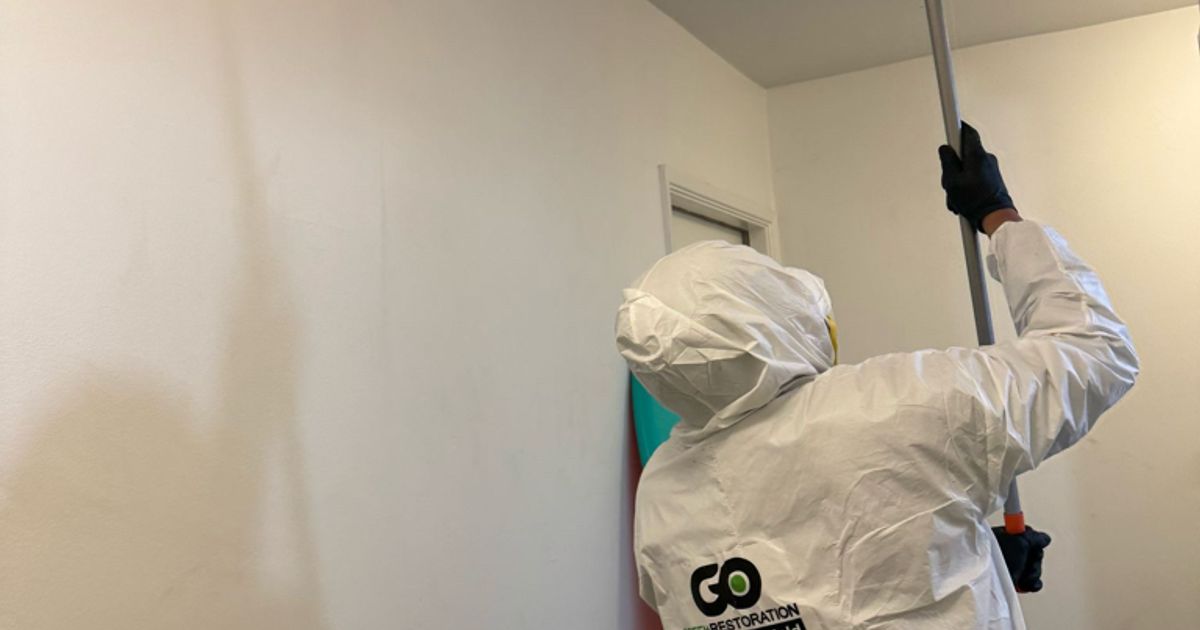
Discover eco-friendly rebuilding options for Ojai properties, from fire-resistant materials to energy-efficient upgrades tailored to valley conditions.
Ojai's unique valley setting presents both opportunities and challenges for property owners considering eco-friendly rebuilding. The narrow valley floor, surrounded by the Topa Topa Mountains and Los Padres National Forest, creates microclimates that smart builders can leverage for natural cooling and heating. However, the same geography that makes Ojai's 93023 and 93024 areas so picturesque also intensifies wildfire risks and creates specific environmental considerations for sustainable construction.
The 2017 Thomas Fire's impact on Ojai demonstrated the importance of rebuilding with both environmental responsibility and fire resilience in mind. Many properties from Downtown Ojai to the East End required complete reconstruction, providing opportunities to implement modern sustainable building practices. Professional construction & remodeling in Ojai now increasingly focuses on materials and methods that protect both properties and the valley's delicate ecosystem.
Fire-Resistant Sustainable Materials for Valley Properties
Ojai's wildfire history makes material selection particularly important for sustainable rebuilding. Recycled steel framing offers excellent fire resistance while reducing environmental impact compared to traditional lumber. Properties near the Ojai Valley Inn and throughout Meiners Oaks Border benefit from fiber cement siding made from recycled materials, which provides superior fire protection without the toxic emissions of vinyl alternatives.
Clay tile roofing, sourced from regional manufacturers in Ventura County, provides natural fire resistance while reflecting heat away from structures. This traditional material works especially well in Ojai's Mediterranean climate and complements the valley's architectural heritage around landmarks like the Ojai Arcade. Straw bale construction, increasingly popular in rural areas beyond Downtown Ojai, uses agricultural waste while providing excellent insulation and surprising fire resistance when properly plastered.
Reclaimed wood from demolished structures throughout Ventura County can be incorporated into interior elements, reducing waste while maintaining the rustic aesthetic many Ojai homeowners prefer. However, these materials must be properly treated and used in non-structural applications to maintain fire safety standards.
Energy Efficiency Upgrades for Valley Microclimates
Ojai's unique topography creates distinct microclimates that smart rebuilding can exploit for natural energy efficiency. Properties on the valley's north side receive different solar exposure than those facing the Topa Topa Mountains, requiring customized approaches to window placement and solar panel orientation. Homes in the East End often experience different wind patterns than those near Libbey Bowl, affecting natural ventilation strategies.
Geothermal heating and cooling systems work particularly well in Ojai's stable soil temperatures, especially for properties with adequate lot sizes common throughout the valley. These systems reduce reliance on traditional HVAC while maintaining comfort during both summer heat waves and winter cold snaps that settle in the valley bowl.
High-performance windows with low-E coatings help manage the intense afternoon sun that reflects off the surrounding mountains. Triple-pane windows, while requiring higher upfront investment, significantly reduce energy consumption in Ojai's temperature extremes. Proper orientation and sizing of windows can capture winter sun while blocking summer heat, reducing mechanical heating and cooling needs.
Radiant barrier roofing materials reflect heat away from structures, particularly important given how the valley's geography can trap hot air during summer months. Combined with proper attic ventilation, these systems significantly reduce cooling costs while maintaining comfort.
Water Conservation and Management Systems
Ojai's periodic drought conditions and water supply challenges make conservation features essential for sustainable rebuilding. Rainwater harvesting systems capture the valley's winter precipitation for use during dry months, reducing strain on municipal supplies and providing backup water for fire suppression. Properties throughout the 93023 and 93024 areas can benefit from underground cisterns that store water while remaining protected from wildfire damage.
Graywater systems redirect water from sinks, showers, and washing machines to irrigate landscaping, particularly valuable given Ojai's emphasis on native plant gardens and food production. These systems work especially well for properties with adequate space, common in areas extending toward Oak View and Casitas Springs.
Permeable paving materials for driveways and walkways allow rainwater to infiltrate soil rather than creating runoff that contributes to erosion problems throughout the valley. This approach helps recharge groundwater while reducing flood risks during intense winter storms.
Drought-tolerant landscaping using native plants from the surrounding chaparral ecosystem reduces irrigation needs while providing natural fire breaks around structures. Plants native to the Ojai Valley require minimal supplemental watering once established and support local wildlife populations.
Indoor Air Quality and Natural Ventilation
Post-fire air quality concerns throughout Ojai make indoor air management particularly important for sustainable rebuilding. Whole-house ventilation systems with high-efficiency filters protect residents during wildfire smoke events while maintaining energy efficiency. Heat recovery ventilators capture energy from outgoing air to pre-condition incoming fresh air, reducing heating and cooling costs.
Natural ventilation strategies take advantage of Ojai's evening temperature drops and mountain breezes. Properly positioned windows and vents can create cross-ventilation that cools homes naturally, reducing air conditioning needs during much of the year. This approach works particularly well for properties positioned to capture prevailing winds from the Ventura River corridor.
Low-VOC and zero-VOC paints, finishes, and adhesives improve indoor air quality while reducing environmental impact. These materials are especially important given Ojai's artistic community's sensitivity to chemical exposures and the valley's air quality challenges during fire season.
Natural building materials like clay plasters and lime-based finishes help regulate indoor humidity while avoiding synthetic chemicals. These traditional materials complement Ojai's architectural heritage while providing modern performance benefits.
Working with Local Environmental Conditions
Successful sustainable rebuilding in Ojai requires understanding the valley's specific environmental challenges and opportunities. Go Green Restoration has extensive experience helping Ojai property owners navigate these unique conditions while implementing eco-friendly solutions that work with, rather than against, the natural environment.
Soil conditions throughout the valley affect foundation choices and landscaping approaches. Properties near seasonal waterways require different drainage solutions than those on higher ground near the foothills. Understanding these site-specific conditions allows for more effective and sustainable building approaches that protect both structures and the surrounding environment.
The valley's artistic community often requires specialized approaches that balance environmental responsibility with preservation of unique architectural features. Many properties around Downtown Ojai and the Arcade area feature distinctive elements that can be incorporated into sustainable rebuilding plans, maintaining community character while improving environmental performance.
For more information, visit our home restoration resources.
Need Professional Help?
Go Green Restoration provides 24/7 emergency services throughout Los Angeles and Ventura Counties. Licensed (#1005708), bonded, and insured.