Bellflower Historic Home Restoration: Preserving Character After Damage
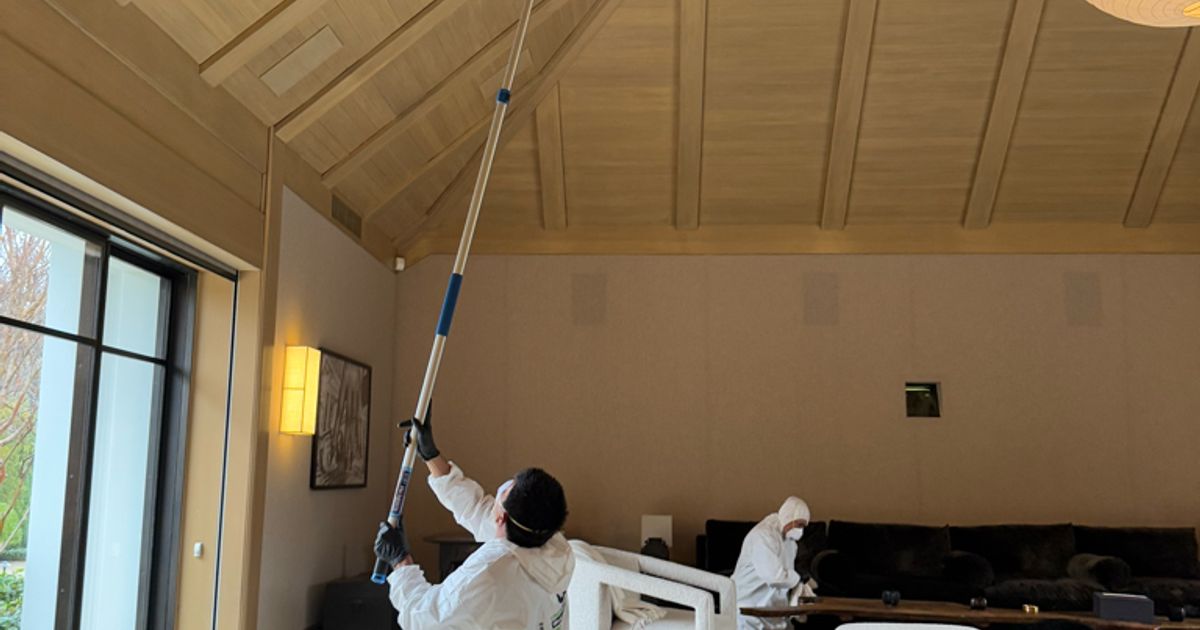
Expert guide to restoring historic Bellflower homes while preserving character. Learn about matching materials, code compliance, and modernization techniques.
Bellflower's post-war housing boom created a unique architectural landscape that homeowners today must carefully navigate when restoration becomes necessary. The city's predominantly 1940s-1960s housing stock in neighborhoods like Mayfair and North Bellflower presents distinct challenges when water damage, foundation issues, or structural problems require major repairs. These homes carry historical significance and architectural character that deserves preservation, even when modern building codes and contemporary living needs demand updates.
The flat terrain and clay soils throughout Bellflower create drainage challenges that frequently impact older homes, particularly those built before modern foundation standards. When these properties suffer damage, homeowners face the delicate balance of maintaining period-appropriate aesthetics while incorporating necessary structural improvements. Professional construction & remodeling in Bellflower requires specialized knowledge of both historical building techniques and current safety requirements to achieve successful restoration outcomes.
Many of Bellflower's vintage homes feature original hardwood floors, plaster walls, and distinctive trim work that reflects the craftsmanship of their era. When water damage from corroded galvanized steel pipes affects these elements, restoration teams must employ specialized techniques to salvage and restore original materials wherever possible. Go Green Restoration has extensive experience working with Bellflower's older housing stock, understanding how to preserve character while addressing underlying structural issues that commonly plague homes in this area.
Understanding Bellflower's Historic Building Materials
Homes built during Bellflower's development period utilized materials and construction methods that differ significantly from modern standards. Original hardwood flooring in these properties often consists of oak or maple planks that can be restored rather than replaced, maintaining the home's authentic character. The plaster walls common in pre-1950s construction require specialized repair techniques when damaged by moisture from the galvanized pipe failures that frequently occur in this area.
Window casings and door frames from this era typically feature solid wood construction with intricate molding profiles that modern millwork cannot easily replicate. When water damage affects these elements near Thompson Park area homes or properties along Bellflower Boulevard, restoration specialists must often custom-mill replacement pieces to match existing profiles. The original electrical systems in these homes also require careful evaluation, as knob-and-tube wiring was common during Bellflower's initial residential development.
Foundation materials in older Bellflower homes range from concrete block to poured concrete, with some properties featuring raised foundations that help combat the area's drainage challenges. When clay soil movement causes foundation settling, restoration work must address both the structural damage and any resulting impacts to original interior finishes. Period-appropriate exterior materials like wood siding, original stucco textures, and clay tile roofing require specialized restoration techniques to maintain their historical integrity.
Navigating Modern Code Compliance
Bringing historic Bellflower homes up to current building codes while preserving their character requires careful planning and expertise in local regulations. Los Angeles County building codes have evolved significantly since most of these homes were constructed, particularly regarding electrical systems, plumbing, and seismic safety requirements. Properties in the Mayfair neighborhood and other established areas must meet current standards when undergoing substantial restoration work.
Electrical system updates in historic homes often require creative solutions to hide modern wiring while maintaining original fixtures and switch plates. The galvanized steel plumbing common in Bellflower's older homes must be replaced with modern materials, but routing new pipes requires careful consideration to avoid damaging original architectural elements. Seismic retrofitting has become mandatory for many older homes, requiring foundation bolting and cripple wall bracing that must be integrated thoughtfully.
Insulation requirements present particular challenges in historic restoration, as older homes typically lack adequate thermal barriers. Adding insulation to walls and attics must be accomplished without compromising original finishes or creating moisture problems in Bellflower's climate. Window replacement or restoration must balance energy efficiency requirements with historic character preservation, often requiring custom solutions that meet performance standards while maintaining original appearance.
Preserving Architectural Character During Restoration
Maintaining the distinctive character of Bellflower's historic homes requires attention to both obvious and subtle architectural details. Original hardware, including door knobs, hinges, and window latches, can often be restored and reused, preserving authentic period touches that contribute significantly to a home's character. Crown molding, baseboards, and other trim work should be carefully documented and replicated when replacement becomes necessary due to water damage or structural issues.
Color schemes and finish materials play vital roles in maintaining historical authenticity during restoration projects. Many Bellflower homes from the 1940s and 1950s featured specific paint colors and wallpaper patterns that reflected the design trends of their era. When water damage necessitates refinishing, research into original color schemes helps maintain period appropriateness while meeting modern durability requirements.
Flooring restoration in these homes often reveals multiple layers of coverings applied over decades. Original hardwood floors beneath carpeting or linoleum can frequently be restored to their former beauty, maintaining the home's authentic character while providing modern durability. Kitchen and bathroom restorations require particularly careful balance between period aesthetics and contemporary functionality, often incorporating vintage-style fixtures that meet current efficiency standards.
Managing Water Damage in Historic Properties
Bellflower's older homes face unique water damage risks due to their aging infrastructure and the area's drainage challenges. The corroded galvanized pipes common in these properties often fail without warning, causing extensive damage to original plaster walls, hardwood floors, and period millwork. Quick response becomes essential to prevent secondary damage that could compromise irreplaceable architectural elements.
Moisture management in historic homes requires understanding how original building materials and construction methods interact with modern drying techniques. Plaster walls dry differently than drywall, and solid wood flooring may require specialized drying methods to prevent permanent damage. The clay soils throughout Bellflower can exacerbate moisture problems, making proper foundation drainage essential during restoration projects.
Mold remediation in historic properties must balance aggressive treatment with preservation of original materials. Some period finishes and materials cannot withstand standard mold treatment chemicals, requiring alternative approaches that effectively address contamination while preserving historical integrity. Proper ventilation systems become particularly important in restored historic homes to prevent future moisture problems while maintaining period-appropriate aesthetics.
## Related Articles
Learn more about restoration services in Bellflower:
- Timeline and Cost of Reconstruction in Bellflower: A Complete Homeowner's Guide
- Insurance-Covered Upgrades During Restoration in Bellflower
Successful historic home restoration in Bellflower begins with thorough documentation of existing conditions and architectural features worth preserving. Professional assessment helps identify which elements can be restored versus those requiring replacement, establishing realistic budgets and timelines for comprehensive restoration work. Understanding the specific challenges posed by your home's age, construction methods, and any previous modifications guides restoration planning.
Working with restoration specialists familiar with Bellflower's housing stock ensures that your project addresses both visible damage and underlying issues common to homes in this area. Foundation problems, electrical system inadequacies, and plumbing failures often interconnect in older homes, requiring coordinated solutions that preserve character while ensuring long-term reliability. Proper permits and inspections become particularly important when restoration work must meet current codes while maintaining historic integrity.
Budgeting for historic restoration should account for the additional time and specialized materials often required to maintain period authenticity. Custom millwork, period-appropriate fixtures, and specialized restoration techniques typically cost more than standard replacement approaches, but the investment preserves your home's unique character and historical value. Planning for unexpected discoveries, such as hidden structural damage or outdated systems, helps ensure restoration projects stay on track despite the surprises common in older homes.
Need Professional Help?
Go Green Restoration provides 24/7 emergency services throughout Los Angeles and Ventura Counties. Licensed (#1005708), bonded, and insured.