Los Angeles Historic Home Restoration: Preserving Character After Damage
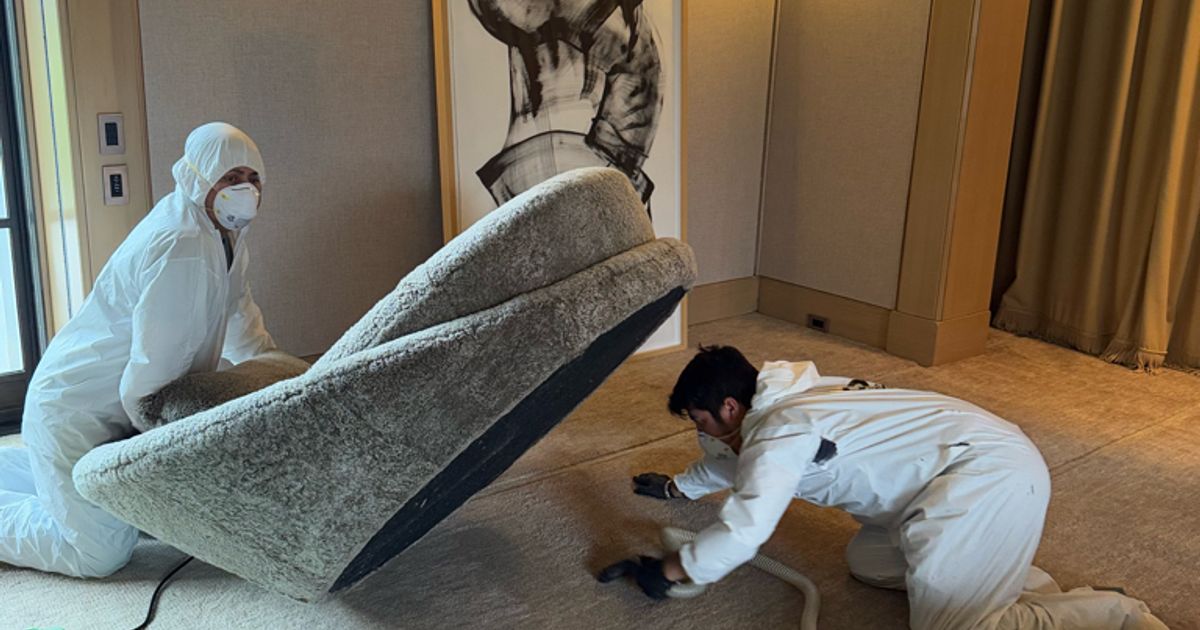
Expert guide to restoring historic Los Angeles homes while preserving character. Learn about materials, codes, and modernization techniques for LA properties.
Los Angeles homeowners fortunate enough to own historic properties face unique restoration challenges that require specialized expertise. From the Spanish Colonial Revival homes of Los Feliz to the Craftsman bungalows of Highland Park, these architectural treasures demand careful attention when damage occurs. The city's diverse housing stock, spanning from 1920s Hollywood Hills estates to Victorian-era homes in West Adams, presents restoration professionals with complex decisions about preservation versus modernization.
The geographic diversity of Los Angeles creates distinct restoration challenges across different neighborhoods. Hillside properties in the Hollywood Hills and Pacific Palisades face wildfire damage requiring specialized reconstruction techniques, while coastal homes in Venice and San Pedro must address marine moisture damage that affects original materials differently than modern substitutes. Professional construction & remodeling in Los Angeles requires understanding these location-specific factors when planning historic home restoration projects.
Downtown LA's historic buildings and the older housing stock throughout South LA and East LA often suffer from decades of deferred maintenance, making damage restoration an opportunity to address underlying structural issues while preserving architectural integrity. The San Fernando Valley's extreme temperature fluctuations create additional challenges for historic homes, as original materials expand and contract differently than modern replacements.
Understanding Los Angeles Historic Preservation Requirements
Los Angeles operates under the Historic Preservation Overlay Zone (HPOZ) system, which affects restoration work in neighborhoods like Angelino Heights, West Adams, and parts of Hollywood. Properties within these zones require approval from local preservation boards before beginning restoration work, even when addressing damage. The process involves submitting detailed plans showing how repairs will maintain the home's historic character while meeting current building codes.
Each HPOZ has specific guidelines reflecting the architectural styles prevalent in that area. The West Adams district focuses on preserving Victorian and Edwardian details, while Hollywood's HPOZs emphasize Spanish Colonial Revival and Mediterranean elements. Silver Lake and Echo Park preservation zones protect mid-century modern features alongside earlier architectural styles. Understanding these local requirements prevents costly delays and ensures restoration work meets both safety standards and preservation goals.
The city's Department of Building and Safety requires permits for most restoration work, and historic properties often need additional approvals from the Office of Historic Resources. This dual oversight system protects Los Angeles' architectural heritage while ensuring restored homes meet modern safety standards for earthquake resistance and fire prevention.
Matching Original Materials in LA's Climate
Los Angeles' Mediterranean climate and diverse microclimates create specific challenges for material matching in historic home restoration. Original redwood siding common in Craftsman homes throughout Highland Park and Eagle Rock weathers differently than modern cedar alternatives, requiring careful selection of replacement materials that will age consistently with existing elements.
Stucco restoration presents particular challenges in Los Angeles, where many Spanish Colonial Revival and Mediterranean homes feature original lime-based plasters that perform differently than modern cement-based products. The marine layer affecting coastal neighborhoods like Venice and San Pedro creates moisture conditions that interact differently with various stucco formulations, making material selection critical for long-term durability.
Roof tile replacement on historic homes requires sourcing materials that match both the color and texture of originals. Many Los Angeles historic homes feature clay tiles from now-defunct California manufacturers, necessitating careful salvage operations or custom reproduction work. The city's seismic requirements also mean that tile attachment methods must meet current earthquake standards while maintaining visual authenticity.
Window restoration in Los Angeles historic homes often involves working with original steel casement windows common in 1920s and 1930s construction. These windows require specialized restoration techniques to address rust damage while maintaining their slim profiles and authentic hardware. Modern energy efficiency requirements must be balanced against historic authenticity, often through careful weatherstripping and storm window installation.
Seismic Upgrades and Code Compliance
Los Angeles' location in an active seismic zone requires historic home restoration to address earthquake safety while preserving architectural character. The city's mandatory soft-story retrofit program affects many historic apartment buildings and mixed-use structures, particularly in areas like Hollywood and Mid-Wilshire where older multi-story buildings are common.
Foundation work on historic Los Angeles homes often reveals unreinforced masonry or inadequate connections between foundation and framing. Modern seismic retrofits must be designed to work with original construction methods while providing adequate earthquake resistance. This often involves installing new anchor bolts and hold-down connectors in ways that minimize impact on historic materials and details.
Electrical and plumbing upgrades in historic homes require careful routing to avoid damaging original architectural features. Many Los Angeles historic homes retain original built-in cabinetry, decorative plasterwork, and hardwood floors that must be preserved during utility modernization. Professional restoration teams use specialized techniques like micro-tunneling and surface-mounted conduit systems to minimize disruption to historic fabric.
The city's energy efficiency requirements for renovations must be balanced against historic preservation goals. Window replacement often becomes a negotiation between energy performance and historic authenticity, with solutions varying based on the specific HPOZ requirements and the home's architectural significance.
Modernizing While Preserving Character
Successful historic home restoration in Los Angeles requires careful planning to integrate modern amenities without compromising architectural integrity. Kitchen and bathroom modernization presents the greatest challenges, as these spaces require extensive utility work while often containing original fixtures and finishes worth preserving.
Many Los Angeles historic homes feature original tile work, particularly in bathrooms of Spanish Colonial Revival and Art Deco properties. Restoration specialists can often salvage and restore original tiles while upgrading underlying waterproofing and plumbing systems. This approach maintains authentic materials while ensuring modern performance standards.
HVAC system integration requires creative solutions in historic Los Angeles homes, many of which lack adequate space for modern ductwork. Mini-split systems and high-velocity air distribution systems offer alternatives that minimize impact on historic interiors while providing efficient climate control for the city's variable weather conditions.
Go Green Restoration Inc specializes in historic home restoration throughout Los Angeles County, understanding the unique requirements of different neighborhoods and architectural styles. Their experience with local preservation requirements and climate-specific challenges helps homeowners navigate the complex process of restoring damaged historic properties while maintaining their architectural significance.
Working with Los Angeles Preservation Professionals
Successful historic home restoration in Los Angeles requires assembling a team familiar with local preservation requirements and traditional building techniques. Architects specializing in historic preservation understand how to design repairs that meet current codes while respecting original design intent. Contractors experienced with historic materials can execute restoration work that maintains authenticity while ensuring long-term durability.
The Los Angeles Conservancy provides resources for homeowners undertaking historic restoration projects, including referrals to qualified professionals and guidance on preservation standards. Their expertise helps property owners understand the value of maintaining historic character while addressing necessary modernization.
Material suppliers specializing in historic restoration maintain inventories of traditional building materials and can source custom reproductions when originals are unavailable. These relationships prove essential when restoring unique architectural details common in Los Angeles' diverse historic neighborhoods.
Documentation throughout the restoration process protects both the property's historic value and the owner's investment. Professional photography and detailed records of materials and techniques used in restoration work provide valuable information for future maintenance and can support applications for historic tax credits or other preservation incentives available in Los Angeles.
For more information, visit our home restoration resources.
Need Professional Help?
Go Green Restoration provides 24/7 emergency services throughout Los Angeles and Ventura Counties. Licensed (#1005708), bonded, and insured.