Santa Rosa Valley Historic Home Restoration: Preserving Character After Damage
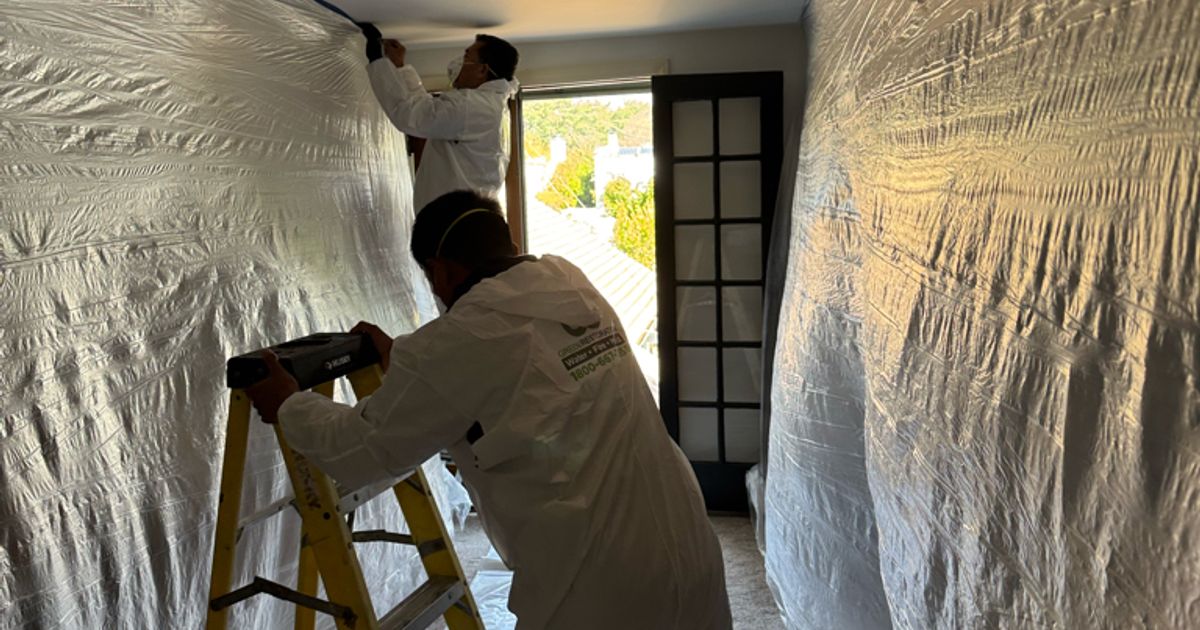
Expert guide to restoring historic homes in Santa Rosa Valley, CA. Learn preservation techniques, code compliance, and character maintenance.
Historic homes throughout Santa Rosa Valley's rural-residential landscape tell the story of Ventura County's agricultural heritage, but these treasured properties face unique restoration challenges when damaged by wildfires, floods, or simply decades of wear. The valley's 7,300 residents often own expansive estate properties that date back generations, featuring architectural elements from California's ranching era that require specialized restoration approaches.
The 2019 Easy Fire served as a stark reminder of how quickly Santa Rosa Valley's dry brush and hillside terrain can threaten historic structures. Many homeowners in the 93012 ZIP code discovered that restoring fire-damaged historic properties requires balancing preservation goals with modern safety requirements. Professional construction & remodeling in Santa Rosa Valley demands expertise in both traditional building techniques and current wildfire-resistant construction standards.
Understanding Santa Rosa Valley's Historic Architecture
Santa Rosa Valley's historic homes typically reflect the area's ranching heritage, featuring adobe construction, exposed wooden beams, and sprawling single-story layouts designed for California's climate. Properties in Santa Rosa Valley Estates often include original outbuildings like barns, stables, and worker housing that complement the main residence. These structures used materials readily available in the valley during the late 1800s and early 1900s: local stone foundations, redwood framing, and clay tile roofing.
The valley's equestrian tradition means many historic properties include specialized features like covered walkways between buildings, large overhanging eaves for shade, and extensive drainage systems to handle runoff from the surrounding hills. Understanding these original design intentions helps restoration specialists maintain the property's historic character while addressing modern needs like seismic safety and fire resistance.
Matching Original Materials in a Wildfire Zone
Restoring damaged historic homes in Santa Rosa Valley requires sourcing materials that match original construction while meeting current fire safety codes. Clay tiles from the early 1900s, for example, came from local kilns with specific clay compositions that created unique colors and textures. Modern replacements must achieve similar visual results while providing Class A fire ratings required in the valley's high-risk wildfire zone.
Reclaimed redwood presents particular challenges in Santa Rosa Valley restorations. Original growth redwood used in historic valley homes has distinctive grain patterns and natural fire resistance that's difficult to replicate. Restoration specialists often source salvaged materials from other period buildings or work with specialized mills that can match historic lumber dimensions and characteristics. Adobe restoration requires understanding the specific soil compositions used in original construction, as different areas of the valley produced adobe with varying clay content and aggregate materials.
Stone foundations in Santa Rosa Valley historic homes typically used local sandstone quarried from nearby hills. Matching this material for repairs means identifying the original quarry sites or finding similar stone from the same geological formations that extend toward Thousand Oaks and Moorpark.
Navigating Modern Code Requirements
Ventura County's building codes for historic properties in Santa Rosa Valley balance preservation goals with safety requirements specific to the area's wildfire risk and seismic activity. The county's Historic Preservation Ordinance allows certain flexibility in applying modern codes to genuine historic structures, but properties must still meet minimum safety standards for electrical, plumbing, and structural systems.
Wildfire safety requirements significantly impact historic home restoration in Santa Rosa Valley. Properties within the Wildland-Urban Interface zone must incorporate defensible space requirements that sometimes conflict with historic landscaping. Original wooden shutters, for example, may need replacement with fire-resistant alternatives that maintain the same visual appearance. Roof materials must achieve Class A fire ratings, which affects choices for replacing original wood shingles or older tile installations.
Seismic retrofitting presents unique challenges for Santa Rosa Valley's historic adobe and unreinforced masonry structures. Modern earthquake safety standards require structural reinforcement that must be carefully integrated to avoid compromising the building's historic integrity. This often involves adding steel reinforcement within existing walls or installing new foundation systems that don't alter the structure's appearance.
Preserving Character While Adding Modern Systems
Integrating contemporary HVAC, electrical, and plumbing systems into Santa Rosa Valley's historic homes requires creative solutions that respect original architectural features. The valley's extreme summer heat makes modern cooling systems essential, but installing ductwork in homes with exposed beam ceilings and thick adobe walls demands careful planning to avoid visible alterations.
Many historic properties in Santa Rosa Valley include extensive irrigation systems for equestrian facilities and agricultural use. Restoring these systems often involves upgrading to water-efficient technologies while maintaining the original distribution patterns that support mature landscaping and pasture areas. Modern fire suppression systems must integrate with existing water infrastructure without compromising the property's historic appearance.
Electrical system upgrades in historic Santa Rosa Valley homes must accommodate modern power demands while respecting original architectural details. This often means routing new wiring through existing wall cavities or using specialized conduit systems that blend with historic materials. Smart home technologies can enhance security and efficiency but require installation methods that don't compromise historic fabric.
## Related Articles
Learn more about restoration services in Santa Rosa Valley:
Successful historic home restoration in Santa Rosa Valley requires contractors experienced with both preservation techniques and local building conditions. Go Green Restoration Inc understands the unique challenges facing historic properties in Ventura County's wildfire-prone areas, combining traditional craftsmanship with modern safety requirements.
The restoration process typically begins with detailed documentation of existing historic features, followed by careful removal and cataloging of salvageable materials. Specialists experienced with Santa Rosa Valley properties understand how the area's climate affects different building materials and can recommend preservation treatments that account for the valley's temperature extremes and seasonal weather patterns.
Choosing restoration professionals familiar with Ventura County's permitting process ensures projects proceed smoothly while meeting both historic preservation standards and current safety codes. Local expertise proves invaluable when sourcing period-appropriate materials or navigating the county's environmental review requirements for properties near sensitive habitats along the Santa Rosa Trail corridor.
Need Professional Help?
Go Green Restoration provides 24/7 emergency services throughout Los Angeles and Ventura Counties. Licensed (#1005708), bonded, and insured.