Kitchen and Bathroom Restoration in Lakewood After Damage: A Guide for Homeowners
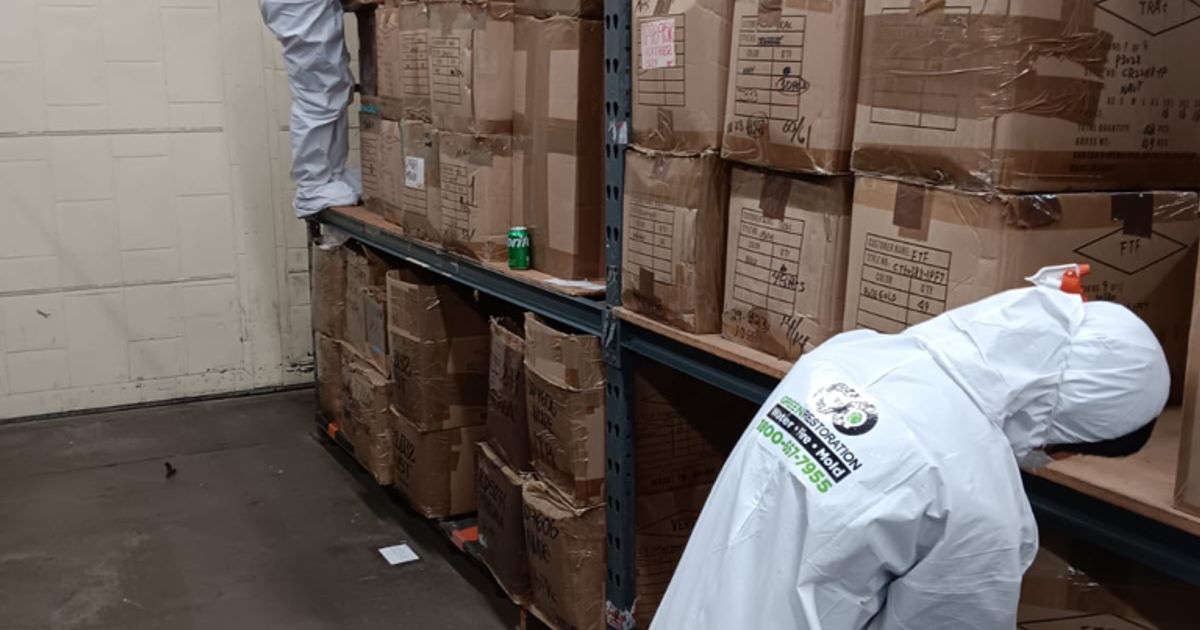
Expert guide to restoring damaged kitchens and bathrooms in Lakewood, CA. Learn about water damage repairs, material selection, and upgrade opportunities.
Lakewood homeowners face unique restoration challenges due to the city's history as one of America's first planned communities. Built primarily in the early 1950s, virtually every home in neighborhoods like Lakewood Village, Mayfair, and Del Amo features plumbing and electrical systems that are approaching or have exceeded their expected lifespan. When water damage strikes kitchens and bathrooms, these aging systems often complicate restoration efforts, but they also present opportunities for meaningful upgrades.
The city's characteristic slab-on-grade construction, while efficient for the post-war building boom, creates particular vulnerabilities for homeowners today. Slab leaks frequently affect properties throughout the 90711, 90712, 90713, 90714, and 90715 zip codes, often causing extensive damage to kitchen and bathroom floors before homeowners realize there's a problem. Professional construction & remodeling in Lakewood becomes essential when these issues arise, as proper restoration requires understanding both the original construction methods and modern building standards.
Lakewood's flat terrain and aging storm drainage systems contribute to flooding risks during heavy rains, particularly affecting ground-level kitchens and bathrooms. Properties near Lakewood Center and throughout the Lakewood Park area have experienced water intrusion issues during recent storm seasons, making restoration knowledge valuable for local homeowners.
Understanding Water Damage Patterns in Lakewood Homes
Water damage in Lakewood kitchens typically originates from three sources: aging supply lines within the slab, deteriorating fixture connections, and storm water intrusion through compromised seals around windows and doors. The original galvanized steel plumbing installed in most 1950s Lakewood homes has reached the end of its useful life, leading to pinhole leaks that can cause extensive subflooring damage before becoming visible.
Bathroom water damage often presents differently in Lakewood homes due to the original construction methods. The small, compartmentalized bathrooms common in post-war design can trap moisture, leading to tile failure, wall damage, and mold growth behind fixtures. Properties in the Mayfair neighborhood, with their characteristic single-bathroom layouts, face particular challenges when restoration work begins, as families must plan for extended periods without their primary bathroom.
Slab leaks create the most complex restoration scenarios for Lakewood homeowners. When water travels under the concrete slab before surfacing, it can affect multiple rooms and require extensive flooring removal. Kitchen islands and bathroom vanities installed directly over leak points often need complete replacement, even when the fixtures themselves remain functional.
Material Selection for Lakewood's Climate and Conditions
Lakewood's Mediterranean climate and proximity to the coast influence material choices for kitchen and bathroom restoration. The moderate humidity levels throughout most of the year, combined with occasional periods of high moisture during winter storms, require materials that can handle these fluctuations without deteriorating.
For kitchen flooring restoration, luxury vinyl plank (LVP) has proven particularly suitable for Lakewood homes. Unlike the original hardwood floors found in many Del Amo area properties, LVP handles moisture exposure without warping or requiring extensive maintenance. Tile remains popular for bathroom floors, but homeowners should choose porcelain over ceramic for better water resistance, especially in homes with ongoing slab leak concerns.
Countertop selection in restored Lakewood kitchens increasingly favors quartz over natural stone. The consistent temperatures throughout the year mean thermal expansion isn't a major concern, but quartz's non-porous surface provides better protection against water damage should future leaks occur. For bathroom vanities, solid surface materials offer similar benefits while maintaining the clean lines that complement Lakewood's mid-century architectural style.
Cabinet restoration or replacement requires special consideration in Lakewood homes. The original metal cabinets found in many properties can be restored if water damage hasn't caused rust, but wooden replacements need proper sealing to prevent future moisture problems. Semi-custom cabinets work well in Lakewood's standardized room sizes, allowing for better storage solutions than the original designs provided.
Layout Improvements During Restoration
Restoration projects in Lakewood homes often reveal opportunities to improve functionality while maintaining the neighborhood's architectural character. The original galley-style kitchens common throughout Lakewood Village and Lakewood Park can benefit from wall removal to create more open layouts, but homeowners must verify which walls are load-bearing before beginning demolition.
Bathroom layout improvements face different constraints in Lakewood homes. The slab-on-grade construction makes moving plumbing fixtures expensive, as it requires breaking through concrete. However, fixture replacement during restoration allows for better space utilization within existing footprints. Replacing original pedestal sinks with vanities provides storage, while upgrading to comfort-height toilets improves accessibility for aging homeowners.
Kitchen islands represent one of the most popular additions during Lakewood restoration projects. The original open floor plans provide space for islands, and running electrical and plumbing to these features is more feasible during restoration when flooring is already removed. However, homeowners near Mayfair Park should consider their home's resale value, as oversized islands can overwhelm the proportions of smaller Lakewood floor plans.
Window and door placement changes require careful consideration in Lakewood homes. The original designs maximized natural light and cross-ventilation, important features given the pre-air conditioning era when these homes were built. Restoration projects should preserve these benefits while incorporating modern weatherproofing to prevent future water intrusion.
Combining Restoration with Strategic Upgrades
Smart Lakewood homeowners use restoration projects as opportunities to address multiple aging systems simultaneously. When kitchen or bathroom restoration requires opening walls, it's cost-effective to upgrade electrical systems from the original 60-amp service to modern 200-amp panels. This upgrade supports modern appliances while improving safety in homes throughout the 90712 and 90715 areas.
Plumbing upgrades during restoration prevent future problems common in Lakewood homes. Replacing galvanized supply lines with PEX piping eliminates the corrosion issues that cause ongoing leaks. Installing whole-house water filtration systems during kitchen restoration protects new fixtures and appliances from the mineral deposits common in local water supplies.
Energy efficiency improvements make particular sense during Lakewood restoration projects. The original single-pane windows and minimal insulation in 1950s construction contribute to high utility bills. Kitchen restoration projects can incorporate energy-efficient appliances and improved ventilation, while bathroom upgrades can include low-flow fixtures and efficient exhaust fans.
Go Green Restoration has observed that Lakewood homeowners who combine restoration with systematic upgrades achieve better long-term value than those who address only immediate damage. The similar construction throughout the city means that successful upgrade strategies in one neighborhood often work well in others.
Planning for Future Maintenance
Restored kitchens and bathrooms in Lakewood homes require ongoing maintenance strategies that address local conditions. The aging infrastructure throughout the city means that even newly restored rooms can experience problems if connected systems aren't properly maintained. Regular inspection of supply lines, especially in slab areas, can prevent major damage.
Seasonal maintenance becomes particularly important for restored bathrooms in Lakewood homes. The winter rain season can reveal drainage issues that weren't apparent during dry months. Homeowners should check caulking around tubs and showers annually and ensure exhaust fans are functioning properly to prevent moisture buildup.
Kitchen maintenance in restored Lakewood homes should focus on protecting investments made during restoration. Regular inspection of appliance connections, especially for dishwashers and ice makers, can prevent water damage. The hard water common throughout Los Angeles County requires more frequent cleaning of fixtures and appliances to maintain their appearance and function.
Documenting restoration work helps future maintenance and potential resale. Lakewood's stable real estate market means that well-documented improvements add value, especially when they address the common issues found throughout the city's aging housing stock.
For more information, visit our home restoration resources.
Need Professional Help?
Go Green Restoration provides 24/7 emergency services throughout Los Angeles and Ventura Counties. Licensed (#1005708), bonded, and insured.