Multi-Unit Reconstruction in Rolling Hills: Managing HOA Projects and Estate Properties
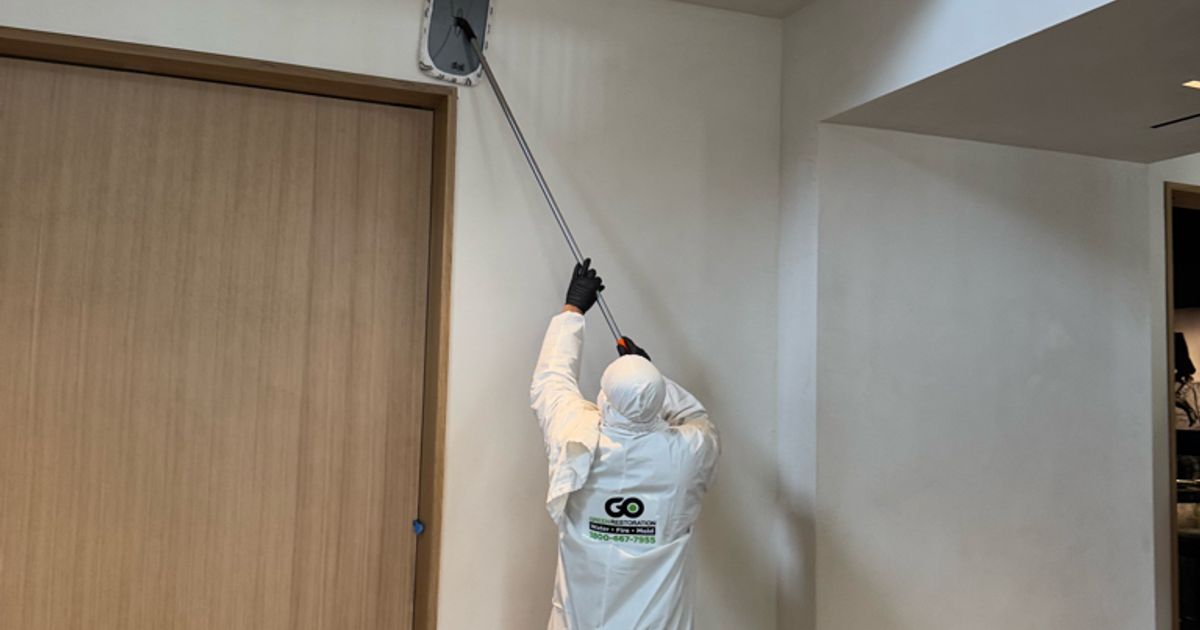
Expert guide to multi-unit reconstruction in Rolling Hills, CA. Learn about HOA coordination, estate property challenges, and managing complex projects.
Multi-unit reconstruction projects in Rolling Hills present unique challenges that differ significantly from typical residential work. The exclusive gated community's estate properties often feature guest houses, staff quarters, and equestrian facilities that require specialized reconstruction approaches. When fire damage, water intrusion, or structural issues affect these complex properties, homeowners must navigate intricate coordination between multiple buildings, extensive grounds, and the Rolling Hills Community Association's strict architectural guidelines.
The Palos Verdes Peninsula's hillside terrain adds complexity to any construction & remodeling in Rolling Hills project. Estate properties in the 90274 zip code frequently include multiple structures spread across expansive lots, making reconstruction logistics particularly challenging. The community's equestrian focus means many properties have barns, riding arenas, and specialized facilities that require expert knowledge of agricultural building codes alongside residential standards.
Navigating Rolling Hills Community Association Requirements
The Rolling Hills Community Association maintains some of the most stringent architectural controls in Los Angeles County. Multi-unit reconstruction projects must comply with detailed design guidelines that preserve the community's rural character while meeting modern safety standards. Property owners reconstructing main residences alongside guest houses or staff quarters face lengthy approval processes that can extend project timelines significantly.
The Association's Design Review Committee requires detailed plans for any reconstruction work, particularly when multiple structures are involved. Projects affecting properties visible from Rolling Hills Road or near the Rolling Hills Country Club receive additional scrutiny to maintain the community's aesthetic standards. Homeowners must coordinate with the Association early in the planning process, as modifications to existing approvals can delay reconstruction by months.
Estate properties often feature non-conforming structures built before current guidelines took effect. Reconstruction provides an opportunity to bring these buildings into compliance, but also requires careful planning to avoid triggering requirements for extensive modifications to unaffected structures. The Association's rural zoning allows for agricultural buildings that standard residential codes don't address, requiring specialized expertise in both residential and agricultural construction standards.
Managing Tenant and Staff Displacement During Reconstruction
Many Rolling Hills estates include staff quarters, guest houses, or rental properties that house caretakers, housekeeping staff, or groundskeepers. Reconstruction affecting these units creates displacement challenges unique to the area's estate properties. Unlike typical apartment buildings, these arrangements often involve long-term employees whose housing is tied to their employment, making temporary relocation particularly complex.
Property owners must consider the impact on essential estate operations during reconstruction. Caretakers who maintain extensive grounds, manage equestrian facilities, or provide security services need continued access to the property even when their quarters are uninhabitable. Temporary housing solutions must account for the need to maintain these services while ensuring displaced residents have appropriate accommodations.
The community's remote location on the Palos Verdes Peninsula limits nearby temporary housing options. Staff displacement often requires arrangements in neighboring Rancho Palos Verdes or Torrance, creating transportation challenges for employees who need daily property access. Reconstruction planning must include provisions for temporary facilities or modified work arrangements that maintain property security and animal care during the construction period.
Phased Construction Strategies for Estate Properties
Rolling Hills' large estate properties allow for sophisticated phased reconstruction approaches that minimize disruption to ongoing operations. The community's generous setbacks and expansive lots provide space for staging areas and temporary facilities that wouldn't be possible in denser neighborhoods. However, the hillside terrain and drainage considerations require careful planning to prevent construction activities from affecting multiple structures or causing erosion issues.
Phased reconstruction typically begins with the most severely damaged structures while maintaining habitability in unaffected buildings. Guest houses or staff quarters can often be reconstructed first, providing temporary accommodation for displaced residents before beginning work on main residences. This approach is particularly effective for properties with equestrian facilities, allowing continued animal care operations while residential structures undergo reconstruction.
The community's private roads and gated access create unique logistics challenges for phased construction. Material deliveries and equipment access must be coordinated with the Association's security protocols, and construction schedules must account for the limited access points. Heavy equipment needed for hillside construction requires careful route planning to avoid damage to the community's scenic roadways and landscaping.
Common Area and Landscape Restoration Considerations
Rolling Hills properties often feature extensive common areas between multiple structures, including formal gardens, equestrian facilities, and recreational amenities. Reconstruction projects must address not only building restoration but also the restoration of these interconnected outdoor spaces. The community's emphasis on maintaining natural hillside character means landscape restoration must blend seamlessly with the existing terrain and native vegetation.
Drainage systems connecting multiple structures require particular attention during reconstruction. The Peninsula's clay soils and steep slopes create runoff patterns that affect multiple buildings on a single property. Reconstruction provides opportunities to improve drainage infrastructure, but changes must be carefully engineered to prevent water issues affecting neighboring properties or community roads.
Go Green Restoration Inc understands the unique challenges of multi-unit reconstruction in Rolling Hills' estate properties. Their experience with the community's architectural requirements and complex site conditions helps property owners navigate the reconstruction process while maintaining the area's distinctive character.
Insurance Coordination for Complex Estate Properties
Multi-unit estate properties in Rolling Hills typically carry complex insurance policies that cover main residences, guest houses, staff quarters, and specialized facilities under different provisions. Reconstruction claims require careful coordination between multiple coverage types, particularly when agricultural facilities, residential structures, and commercial operations exist on the same property. High-value properties in the 90274 zip code often have specialized coverage for art collections, wine cellars, and equestrian equipment that standard residential policies don't address.
The community's wildfire risk and hillside location create additional insurance considerations for reconstruction projects. Properties near the community's borders may require enhanced fire-resistant construction that exceeds standard building codes. Insurance carriers often require specific materials and construction methods for properties in high-risk areas, affecting both reconstruction costs and timelines.
Coordination between property insurance, workers' compensation for displaced staff, and business interruption coverage for estate operations requires specialized expertise. Many Rolling Hills properties generate income through equestrian activities, event hosting, or agricultural operations that standard residential reconstruction approaches don't address. Successful reconstruction requires understanding how insurance coverage applies to these diverse property uses and ensuring all affected operations receive appropriate attention during the restoration process.
For more information, visit our home restoration resources.
Need Professional Help?
Go Green Restoration provides 24/7 emergency services throughout Los Angeles and Ventura Counties. Licensed (#1005708), bonded, and insured.