Multi-Unit Reconstruction in Santa Fe Springs: HOA and Apartment Buildings
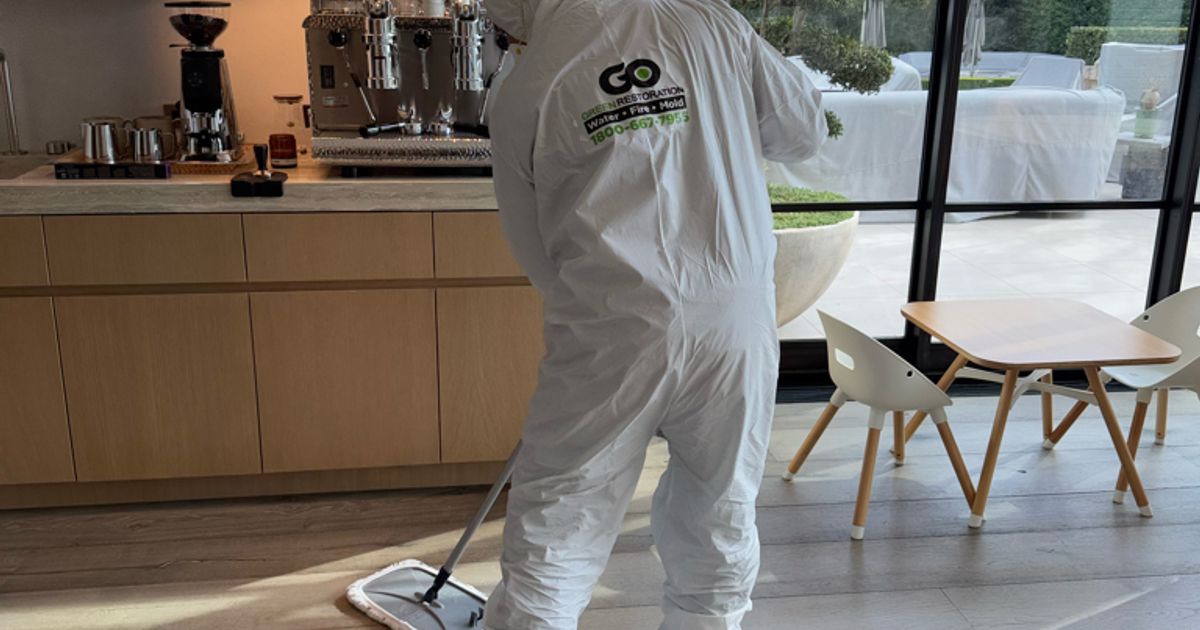
Navigate multi-unit reconstruction challenges in Santa Fe Springs. Expert guidance on HOA coordination, tenant displacement, and phased construction.
Multi-unit property reconstruction in Santa Fe Springs presents unique challenges that single-family home projects simply don't face. The city's mix of industrial facilities and residential complexes in neighborhoods like Los Nietos and Heritage Springs means property managers and HOAs must navigate complex logistics while maintaining operations for multiple families and businesses.
Santa Fe Springs' industrial character creates specific reconstruction scenarios for apartment buildings and condominiums. When water damage from aging infrastructure affects multi-unit properties near the industrial corridor, or when fire damage impacts residential complexes, the restoration process requires careful coordination with multiple stakeholders. Professional construction & remodeling in Santa Fe Springs services understand these local dynamics and can help property managers develop effective reconstruction strategies.
The flat terrain throughout Santa Fe Springs, while beneficial for construction access, can complicate drainage during reconstruction projects. Multi-unit properties in areas like Heritage Springs often require enhanced water management systems during rebuilding to prevent future damage incidents.
HOA Coordination and Decision-Making Processes
Homeowners associations in Santa Fe Springs face particular challenges when coordinating reconstruction projects. The city's 18,148 residents include many who live in HOA-managed communities, where decision-making involves multiple board members and potentially dozens of unit owners. Heritage Park area condominiums, for example, must balance individual unit needs with community-wide infrastructure improvements.
Effective HOA coordination begins with establishing clear communication channels between the reconstruction team, property management, and residents. Santa Fe Springs HOAs typically require detailed project timelines, especially when work affects common areas like parking structures, community rooms, or landscaping around properties near Clarke Estate. Board meetings should include regular updates from contractors, with visual progress reports that help non-technical board members understand project status.
Budget approval processes in Santa Fe Springs HOAs often involve multiple voting rounds, particularly for large-scale reconstruction projects. Reserve fund utilization requires careful documentation, and many associations benefit from working with contractors who understand California HOA regulations and can provide detailed cost breakdowns for different reconstruction phases.
Managing Tenant Displacement and Temporary Housing
Tenant displacement during reconstruction creates significant challenges for apartment building owners in Santa Fe Springs. The city's proximity to major employment centers in Downey, Norwalk, and Pico Rivera means displaced residents often prefer temporary housing that maintains their commute patterns rather than relocating to distant areas.
Local apartment complexes in Los Nietos have successfully managed displacement by partnering with nearby properties to offer temporary units at comparable rates. This approach keeps tenants within the Santa Fe Springs community while maintaining rental income streams during reconstruction. Property managers should establish these partnerships before reconstruction begins, as emergency housing options become limited during peak construction seasons.
California tenant protection laws require specific notice periods and relocation assistance for displacement situations. Santa Fe Springs landlords must navigate these requirements while coordinating with contractors to minimize displacement duration. Phased reconstruction approaches often reduce the number of simultaneously displaced units, making temporary housing arrangements more manageable.
Phased Construction Strategies for Occupied Buildings
Phased reconstruction allows multi-unit properties in Santa Fe Springs to remain partially occupied during restoration work. This approach proves particularly valuable for larger apartment complexes in Heritage Springs, where complete evacuation would displace numerous families simultaneously.
Successful phasing requires careful planning around Santa Fe Springs' industrial traffic patterns. Morning construction deliveries should avoid peak commute times when residents travel to nearby employment centers in Whittier and La Mirada. Noise-intensive work phases should be scheduled during standard business hours when many residents are away from the property.
Utility coordination becomes more complex in phased reconstruction projects. Santa Fe Springs properties often share electrical, plumbing, and HVAC systems between units, requiring careful isolation of work areas to maintain services for occupied portions. Temporary utility installations may be necessary to keep residents comfortable during infrastructure reconstruction phases.
Common Area Restoration Challenges
Common areas in Santa Fe Springs multi-unit properties serve multiple functions that must be maintained during reconstruction. Community rooms, fitness centers, and outdoor spaces around Heritage Park provide important amenities that residents expect to access throughout the restoration process.
Pooling and recreational areas require special attention in Santa Fe Springs' climate, where year-round outdoor use makes temporary closures particularly disruptive. Reconstruction schedules should prioritize these high-use areas during cooler months when outdoor amenities see less demand. Parking area reconstruction presents ongoing challenges, as Santa Fe Springs' industrial character means many residents rely heavily on personal vehicles for commuting.
Landscaping restoration around multi-unit properties must account for the city's specific soil conditions and drainage patterns. The flat terrain requires careful grading to prevent water accumulation, while plant selections should complement the existing neighborhood character in areas like Los Nietos.
Commercial Insurance and Multi-Unit Coverage
Insurance claims for multi-unit reconstruction in Santa Fe Springs involve complex coverage scenarios that differ significantly from single-family claims. Commercial property policies typically cover common areas and building structures, while individual unit coverage may fall under separate policies held by unit owners or tenants.
Documentation requirements for multi-unit claims include detailed inventories of both common area damages and individual unit impacts. Santa Fe Springs properties affected by water damage from industrial incidents may qualify for additional coverage considerations, particularly when damage stems from municipal infrastructure issues or neighboring industrial operations.
Working with restoration professionals who understand multi-unit insurance dynamics helps property managers navigate claim processes more effectively. Go Green Restoration Inc has extensive experience with commercial insurance requirements for multi-unit properties throughout Los Angeles County, helping property managers maximize coverage benefits while minimizing out-of-pocket expenses.
Coverage coordination between different insurance policies requires careful documentation of which damages fall under building coverage versus individual unit policies. This distinction becomes particularly important in Santa Fe Springs HOA properties, where shared walls and systems create overlapping coverage scenarios that require expert navigation to ensure complete restoration funding.
For more information, visit our home restoration resources.
Need Professional Help?
Go Green Restoration provides 24/7 emergency services throughout Los Angeles and Ventura Counties. Licensed (#1005708), bonded, and insured.