Post-Disaster Reconstruction Guide for Thousand Oaks Homeowners: From Assessment to Completion
Complete guide for Thousand Oaks homeowners navigating reconstruction after disasters. Covers permits, contractors, insurance, and local requirements.
Thousand Oaks homeowners face unique reconstruction challenges following disasters, particularly given the city's location in the wildfire-prone Santa Monica Mountains. The devastating 2018 Woolsey Fire destroyed over 1,600 structures in the Conejo Valley, leaving many residents to navigate the complex reconstruction process for the first time. Whether dealing with fire damage in Lang Ranch, flood damage in Newbury Park, or earthquake damage throughout the 91360 area, understanding the local reconstruction landscape can make the difference between a smooth recovery and years of delays.
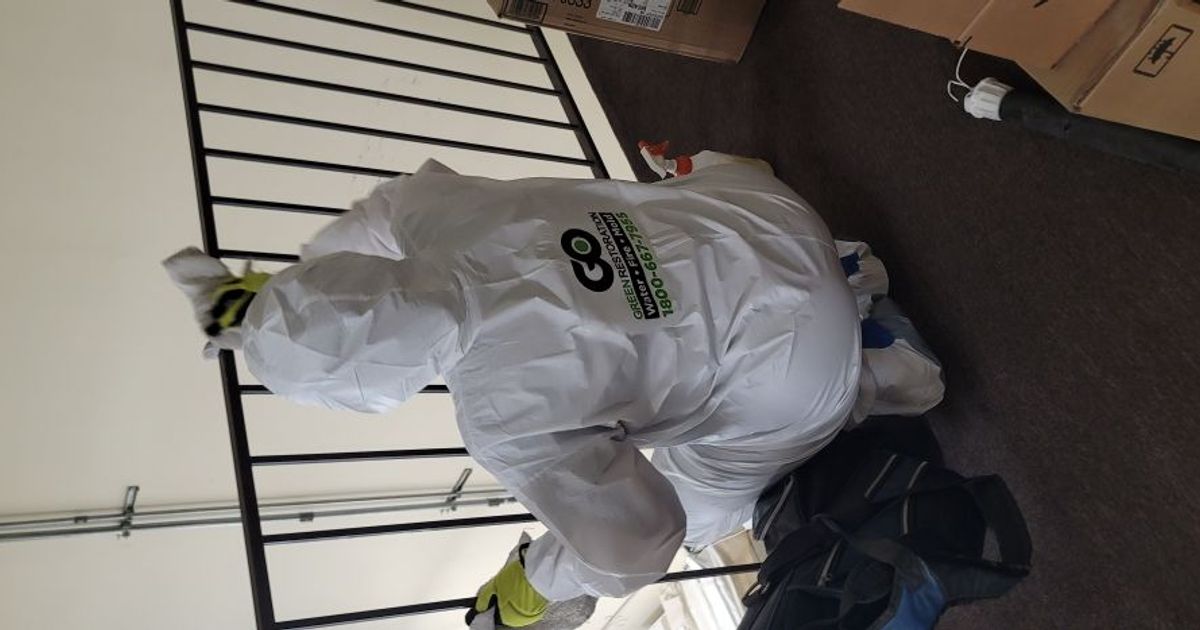
The reconstruction process in Thousand Oaks requires careful coordination with both Ventura County and city-specific requirements, making professional guidance essential. Local experts like Go Green Restoration understand the unique permitting challenges and building codes that apply to different neighborhoods, from the hillside properties in North Ranch to the established communities near The Oaks Mall. Getting started with proper construction & remodeling in Thousand Oaks requires understanding both the immediate safety concerns and long-term rebuilding strategies specific to this region.
Initial Damage Assessment and Safety Considerations
Before any reconstruction work begins in Thousand Oaks, a thorough damage assessment must account for the area's specific environmental risks. Properties in the 91361 and 91362 zip codes, particularly those near Wildwood Regional Park, require evaluation for both primary disaster damage and secondary issues like erosion or structural instability on hillside lots. The city's building department requires professional structural assessments for any property with significant damage, and these reports must address the unique soil conditions found throughout the Conejo Valley.
Post-fire properties in neighborhoods like Dos Vientos face additional assessment challenges, as the intense heat from wildfires can compromise foundation integrity and underground utilities in ways not immediately visible. The combination of fire damage and subsequent winter rains creates erosion patterns that affect rebuilding plans, particularly for homes on the slopes surrounding Thousand Oaks Boulevard. Professional assessments must also evaluate HVAC systems, which often suffer damage during the extreme summer temperatures that regularly exceed 100 degrees in this inland valley location.
Navigating Permits and Local Building Requirements
Thousand Oaks operates under both city and Ventura County jurisdiction for different aspects of reconstruction, creating a complex permitting landscape that varies by neighborhood and project scope. Properties in Westlake Village may fall under different regulatory requirements than those in Thousand Oaks Proper, and understanding these distinctions prevents costly delays. The city's building department, located on Civic Center Way, processes permits for most residential reconstruction, but larger projects may require additional county approvals.
Wildfire rebuilding in Thousand Oaks must comply with updated defensible space requirements and fire-resistant building materials, regulations that became more stringent following the Woolsey Fire. These requirements affect everything from roofing materials to landscaping plans, and vary based on the property's proximity to open space areas like those near the Conejo Valley Botanic Garden. The permitting process typically takes 6-8 weeks for standard reconstruction projects, but can extend longer for properties requiring variance approvals or those in environmentally sensitive areas.
Selecting Qualified Local Contractors
Choosing contractors familiar with Thousand Oaks' specific challenges significantly impacts both project quality and timeline. Local contractors understand the soil conditions in different neighborhoods, from the stable ground near Moorpark Road to the more challenging hillside locations in North Ranch. They're also familiar with the city's inspection requirements and can coordinate effectively with local building officials who understand the unique post-disaster reconstruction needs in this community.
Vetting contractors requires verification of proper licensing, insurance, and local experience with similar disaster reconstruction projects. The surge in demand following major disasters like the Woolsey Fire brought many out-of-area contractors to Thousand Oaks, but local contractors with established relationships in the community often provide better long-term support and warranty service. Request references from recent projects in similar Thousand Oaks neighborhoods, and verify that contractors understand local requirements for fire-resistant construction and erosion control measures.
Insurance Coordination and Documentation
Working with insurance companies during Thousand Oaks reconstruction requires understanding how local conditions affect coverage and claims processing. The city's wildfire history means many properties now carry specific wildfire insurance provisions, and understanding these policy details affects reconstruction planning and material choices. Insurance adjusters may not be familiar with local building costs or the specific requirements for rebuilding in fire-prone areas, making detailed documentation essential.
Maintaining thorough records throughout the reconstruction process protects homeowners during insurance negotiations and ensures compliance with policy requirements. This includes documenting the use of fire-resistant materials required by local building codes, as well as any additional safety features that may qualify for insurance discounts. Properties in the 91358 and 91359 areas may face different insurance requirements based on their proximity to open space and historical fire patterns, affecting both coverage options and reconstruction costs.
Timeline Management and Project Coordination
Reconstruction timelines in Thousand Oaks depend heavily on seasonal considerations and local resource availability. Summer construction faces challenges from extreme heat and increased fire danger, while winter work must account for potential rain delays and mudslide risks on hillside properties. The city's location in the Conejo Valley creates microclimates that affect construction scheduling, with properties near Westlake Village experiencing different weather patterns than those closer to the Santa Monica Mountains.
Coordinating with local utilities adds complexity to Thousand Oaks reconstruction projects, as service restoration often requires coordination between multiple providers serving different parts of the city. Properties in newer developments like those near the 91362 area may have underground utilities that require specialized restoration techniques, while older neighborhoods might need complete electrical and plumbing updates to meet current codes. Planning for these utility connections early in the reconstruction process prevents delays during final inspection phases.
## Related Articles
Learn more about restoration services in Thousand Oaks:
Rebuilding in Thousand Oaks provides an opportunity to incorporate resilience features that address the area's ongoing environmental risks. This includes installing whole-house generators to handle power outages during fire season, upgrading HVAC systems to handle extreme summer temperatures, and incorporating fire-resistant landscaping that complements the natural beauty of the Conejo Valley. Properties near open space areas benefit from additional defensible space planning that goes beyond minimum requirements.
Considering future maintenance and accessibility ensures that reconstructed homes serve Thousand Oaks families for decades to come. This includes planning for the aging infrastructure throughout the city, from the 1960s-era developments to newer communities, and incorporating modern building techniques that address both current codes and anticipated future requirements. Smart home technology and energy-efficient systems not only improve daily living but also provide better monitoring and control during emergency situations that are unfortunately common in this fire-prone region.
Need Professional Help?
Go Green Restoration provides 24/7 emergency services throughout Los Angeles and Ventura Counties. Licensed (#1005708), bonded, and insured.