How Lake Sherwood's Climate Creates Mold-Friendly Conditions
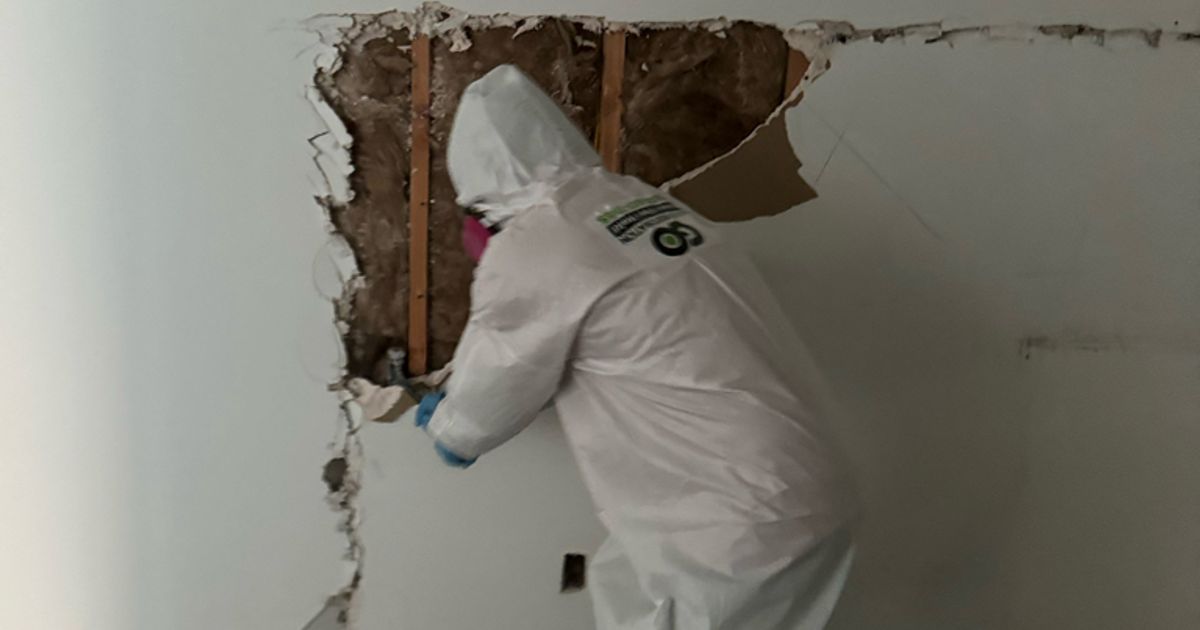
Lake Sherwood's lakeside location and marine layer create persistent moisture that promotes mold growth in luxury homes. Learn prevention strategies.
Lake Sherwood's exclusive lakeside community faces unique mold challenges that many residents don't fully understand. The combination of the area's natural lake environment, proximity to the Pacific Ocean just 15 miles away, and the surrounding Santa Monica Mountains creates a perfect storm of moisture conditions that can lead to serious mold problems in the community's luxury homes.
The 91361 zip code's position between the lake and coastal influences means homeowners deal with humidity levels that fluctuate dramatically throughout the year. Professional mold remediation in Lake Sherwood becomes essential when these environmental factors overwhelm even the most sophisticated home ventilation systems.
Marine Layer Impact on Lake Sherwood Properties
The marine layer that rolls in from the Pacific Ocean doesn't stop at the coast – it travels inland and settles heavily around Lake Sherwood, especially during late spring and early summer months. This phenomenon creates morning humidity levels that can reach 80-90% around the lake itself, with the moisture lingering well into the afternoon hours.
Homes in Lake Sherwood Estates experience this marine influence differently depending on their elevation and proximity to the water. Properties closer to the lake's edge face the most intense moisture exposure, as the combination of evaporation from the 150-acre lake and incoming marine air creates a humidity sandwich effect. The Sherwood Country Club area, while slightly elevated, still experiences significant moisture retention due to the surrounding topography that traps humid air.
This persistent moisture penetrates building materials over time, creating ideal conditions for mold spores to establish colonies in wall cavities, attics, and crawl spaces. The morning dew that forms on surfaces throughout the community isn't just a visual indicator – it represents the constant moisture cycling that can overwhelm building materials' ability to stay dry.
Seasonal Moisture Patterns and Mold Risk
Lake Sherwood's seasonal weather patterns create distinct periods of elevated mold risk throughout the year. Winter months bring the area's rainy season, with the Santa Monica Mountains channeling storm systems directly over the community. The combination of increased precipitation and cooler temperatures means moisture lingers longer in building materials.
Spring presents unique challenges as warming temperatures increase evaporation from Lake Sherwood itself, while the marine layer becomes more frequent and persistent. This creates a daily cycle of moisture accumulation that many homeowners don't recognize until mold problems become visible.
Summer's dry heat might seem protective against mold, but the reality is more complex. While daytime temperatures can soar, the lake's moderating influence means nighttime temperatures drop significantly, creating condensation on cool surfaces. This daily temperature swing, combined with the area's irrigation needs for maintaining the lush landscapes around luxury properties, maintains moisture levels that support mold growth even during supposedly dry months.
Fall brings its own risks, particularly with the threat of wildfires like the 2018 Woolsey Fire that directly threatened the community. Post-fire conditions often involve increased moisture from firefighting efforts, damaged building materials, and compromised ventilation systems that can create perfect conditions for rapid mold growth.
HVAC Challenges in Lake Sherwood's Climate
The luxury homes throughout Lake Sherwood feature sophisticated HVAC systems designed to maintain comfort year-round, but these same systems can become mold breeding grounds when not properly maintained in the area's challenging climate conditions. The constant humidity fluctuations force air conditioning systems to work harder, creating more condensation than systems in drier inland areas.
Condensation forms regularly on ductwork, particularly in attic spaces where temperature differentials are most extreme. The area's elevation changes – from lakeside properties to homes higher in the surrounding hills – create varying pressure conditions that can affect HVAC performance and increase condensation risks.
Many Lake Sherwood homes feature complex multi-zone systems with extensive ductwork running through unconditioned spaces. When humid air from the lake environment infiltrates these systems, it can condense on cool metal surfaces and create moisture problems that spread throughout the home's ventilation network. The community's older luxury homes, some dating back several decades, may have ductwork that wasn't designed with the area's specific humidity challenges in mind.
## Related Articles
Learn more about restoration services in Lake Sherwood:
- Common Mold Problems in Lake Sherwood Homes and How to Spot Them
- Mold Testing in Lake Sherwood: When and Why You Need It
Lake Sherwood's position creates unique microclimates that homeowners must understand to prevent mold problems effectively. The Santa Monica Mountains create wind patterns that can trap humid air around the lake, while also creating sudden weather changes that catch homeowners unprepared.
Morning fog is common throughout much of the year, particularly during the transition between seasons. This fog doesn't just create visibility issues – it deposits moisture on every surface it touches, including building exteriors, landscaping, and outdoor HVAC equipment. Properties on the north side of the lake often experience longer periods of moisture retention due to reduced sun exposure.
The area's fire risk also affects mold prevention strategies. Many homeowners install whole-house air filtration systems and seal their homes more tightly during fire season, but these same measures can trap moisture inside if not balanced with proper ventilation. Go Green Restoration Inc has observed that homes sealed for fire protection often develop moisture problems when the systems aren't adjusted for the area's baseline humidity levels.
Understanding these local patterns allows Lake Sherwood homeowners to time maintenance activities, adjust HVAC settings seasonally, and monitor problem areas before mold becomes established. The key is recognizing that the area's beautiful lakeside environment comes with specific challenges that require proactive management rather than reactive solutions.
Need Professional Help?
Go Green Restoration provides 24/7 emergency services throughout Los Angeles and Ventura Counties. Licensed (#1005708), bonded, and insured.