How Long Beach's Climate Creates Mold-Friendly Conditions
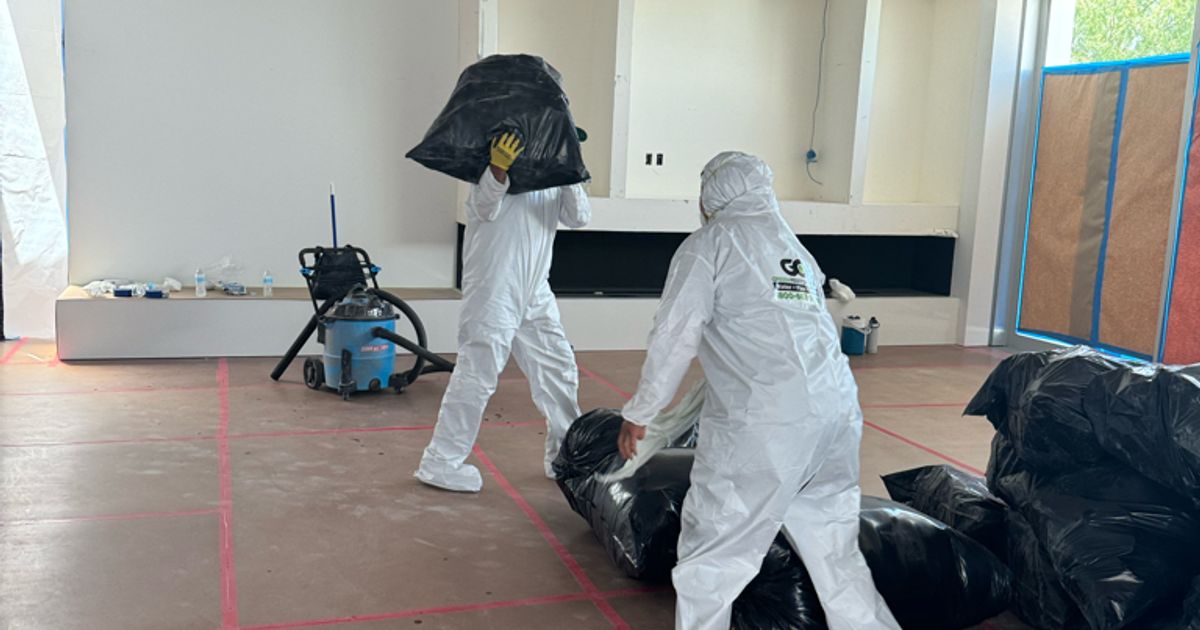
Long Beach's marine layer, seasonal moisture, and coastal climate create perfect conditions for mold growth. Learn how local weather patterns affect your home.
Long Beach's unique position along the Pacific Coast creates a perfect storm of environmental conditions that make mold growth a persistent concern for homeowners. The city's proximity to the ocean, combined with its diverse topography from coastal Belmont Shore to inland North Long Beach, generates microclimates that can turn any home into an ideal breeding ground for mold spores.
The marine layer that blankets Long Beach for much of the year doesn't just create those iconic gray mornings – it deposits moisture directly onto every surface in the city. This daily moisture cycle affects homes in Naples and Downtown Long Beach differently than those in Cal Heights or Bixby Knolls, but the underlying challenge remains the same. Properties throughout the 90802 and 90803 zip codes near the waterfront experience the most intense marine layer exposure, while homes in the 90808 and 90815 areas inland still face significant humidity challenges. Professional mold remediation in Long Beach becomes necessary when homeowners underestimate how these daily moisture cycles accumulate over time.
The Marine Layer's Daily Moisture Assault
Long Beach's marine layer typically forms between 1,000 and 3,000 feet above sea level, but its effects reach every neighborhood from Signal Hill to the Port of Long Beach. During summer months, this moisture-laden air mass can persist until afternoon, depositing microscopic water droplets on windows, walls, and outdoor surfaces throughout Wrigley and surrounding areas. Homes in the 90804 and 90806 zip codes experience particularly heavy marine layer exposure due to their positioning relative to prevailing ocean winds.
This daily moisture cycle creates ideal conditions for mold growth in areas that homeowners often overlook. Window frames in coastal properties near the Queen Mary and Aquarium of the Pacific develop condensation that seeps into wall cavities. Exterior walls facing southwest – the direction from which Long Beach's marine layer typically approaches – become saturated with moisture that penetrates through even minor cracks in stucco or siding. The temperature differential between the cool marine air and warmer inland areas in North Long Beach creates condensation patterns that vary significantly across the city's diverse neighborhoods.
Seasonal Moisture Patterns and Mold Growth Cycles
Long Beach experiences distinct seasonal moisture patterns that create different mold challenges throughout the year. Winter storms bring heavy rainfall that affects drainage systems throughout the city, from the industrial areas near the Port of Long Beach to residential neighborhoods in Cal Heights. The city's aging infrastructure in areas like the 90813 and 90810 zip codes struggles to handle sudden influxes of water, leading to basement flooding and crawl space moisture accumulation.
Spring months in Long Beach bring a unique combination of warming temperatures and persistent marine layer activity. Homes in Belmont Shore and Naples experience extended periods where exterior surfaces remain damp from morning marine layer while interior temperatures rise throughout the day. This creates ideal conditions for mold growth in wall cavities, particularly in older homes with inadequate vapor barriers. The temperature fluctuations between coastal and inland areas of Long Beach – sometimes varying by 10-15 degrees between the waterfront and North Long Beach – create condensation patterns that change throughout the day.
Summer's extended marine layer season affects Long Beach differently than other coastal cities due to the urban heat island effect created by the port's industrial infrastructure. Areas in the 90802 and 90831 zip codes near the port experience higher humidity levels as the marine layer interacts with industrial heat sources, creating localized moisture pockets that can persist well into the afternoon hours.
HVAC Systems and Condensation Challenges
Long Beach's climate creates unique challenges for HVAC systems that many homeowners don't recognize until mold problems develop. The city's temperature variations – from cool coastal areas near the Aquarium of the Pacific to warmer inland neighborhoods like Bixby Knolls – force air conditioning systems to work harder during summer months. This increased workload leads to more condensation production, particularly in ductwork that runs through unconditioned spaces like attics and crawl spaces.
Homes in the 90807 and 90815 zip codes face particular challenges because they're positioned in the transition zone between coastal and inland climates. HVAC systems in these areas experience frequent cycling as outdoor temperatures fluctuate throughout the day, creating condensation in ductwork that doesn't have time to properly drain. The marine layer's high humidity content means that even properly functioning air conditioning systems produce more condensation than they would in drier inland climates.
Older homes throughout Downtown Long Beach and Wrigley often have undersized or poorly designed HVAC systems that can't effectively manage the humidity loads created by Long Beach's coastal climate. These systems may cool the air adequately but fail to remove enough moisture, creating indoor humidity levels that support mold growth even in air-conditioned spaces.
Geographic Factors That Amplify Mold Risk
Long Beach's unique geography creates localized conditions that amplify mold risk in specific neighborhoods. The city's position in a coastal basin means that moisture-laden air from the Pacific Ocean gets trapped against the inland hills, creating persistent humidity in areas like Signal Hill and the elevated portions of the 90804 zip code. This geographic moisture trap affects air circulation patterns throughout the city, reducing natural ventilation that would otherwise help control indoor humidity levels.
The Port of Long Beach's massive infrastructure creates its own microclimate that affects surrounding residential areas. The combination of large water surfaces, industrial heat sources, and reduced air circulation creates pockets of elevated humidity that extend into nearby neighborhoods. Homes in the 90802 and 90813 zip codes experience these effects most directly, but the influence extends into Cal Heights and other areas during certain weather patterns.
Go Green Restoration has observed that Long Beach's diverse housing stock – from waterfront condominiums in Naples to craftsman homes in North Long Beach – responds differently to these climate challenges based on construction methods, building orientation, and proximity to moisture sources. Understanding these geographic influences helps homeowners recognize when professional mold assessment becomes necessary to protect their investment and their family's health.
## Related Articles
Learn more about restoration services in Long Beach:
Successful mold prevention in Long Beach requires understanding how the city's specific climate patterns affect your individual property. Homes in different zip codes face varying challenges: coastal properties in the 90803 and 90802 areas need robust moisture barriers and enhanced ventilation, while inland homes in the 90808 and 90815 zip codes require careful HVAC humidity control during temperature transition periods.
Regular inspection of areas where Long Beach's climate creates the most risk – including north-facing walls that receive less direct sunlight, basement areas in older homes throughout Bixby Knolls and Wrigley, and HVAC components in unconditioned spaces – helps identify problems before they become extensive. The key is recognizing that Long Beach's marine layer, seasonal moisture patterns, and geographic position create ongoing mold risks that require proactive management rather than reactive responses.
Need Professional Help?
Go Green Restoration provides 24/7 emergency services throughout Los Angeles and Ventura Counties. Licensed (#1005708), bonded, and insured.