How South Pasadena's Climate Creates Mold-Friendly Conditions
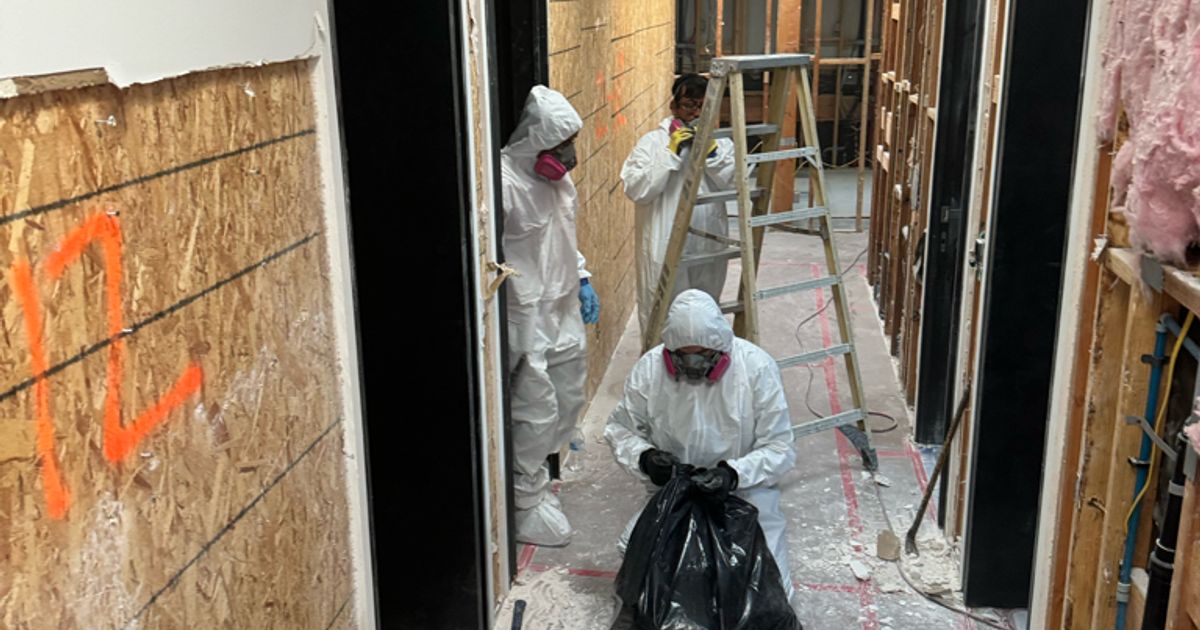
Discover how South Pasadena's marine layer, historic homes, and seasonal moisture patterns create ideal mold growth conditions in your home.
South Pasadena's Mediterranean climate brings year-round pleasant weather, but the same conditions that make this historic city so desirable also create perfect environments for mold growth. The combination of marine layer moisture, seasonal weather patterns, and the city's abundance of century-old homes in neighborhoods like Mission West and Monterey Hills presents unique challenges for homeowners dealing with mold issues.
The city's proximity to the Pacific Ocean means marine layer conditions regularly blanket South Pasadena, especially during late spring and early summer months. This natural phenomenon brings sustained humidity levels that can exceed 80% during overnight hours, creating ideal conditions for mold spores to establish colonies in your home's hidden spaces. Professional mold remediation in South Pasadena becomes necessary when these moisture conditions combine with the city's older housing stock.
Marine Layer Impact on South Pasadena Homes
The marine layer that rolls inland from the coast reaches South Pasadena most intensely between May and August, creating what locals know as "June gloom" conditions. During these periods, humidity levels remain elevated well into the morning hours, particularly in the Fair Oaks and Marengo neighborhoods where mature tree canopies trap moisture close to ground level. Historic homes along Fair Oaks Avenue experience prolonged exposure to these humid conditions, as the dense foliage around landmarks like Fair Oaks Pharmacy creates microclimates with reduced air circulation.
These sustained humidity levels penetrate building materials through natural air exchange, settling into wall cavities, attics, and crawl spaces where mold thrives. South Pasadena's Craftsman and Victorian homes, with their original wood framing and plaster walls, absorb this moisture readily. The marine layer's consistent presence means these materials never fully dry out during summer months, maintaining the 60% relative humidity threshold that supports active mold growth.
Seasonal Moisture Patterns and Mold Development
South Pasadena experiences distinct wet and dry seasons that create cyclical mold growth patterns throughout the year. Winter rains typically arrive between December and March, with the San Gabriel Mountains channeling storm systems directly over the city. The Monterey Hills neighborhood, situated at higher elevation, often receives additional precipitation as storms move inland, creating runoff conditions that affect lower-lying areas near the Arroyo Seco.
During these wet months, South Pasadena homes experience moisture intrusion through aging roof systems, foundation settling, and window seals compromised by decades of thermal expansion. The city's mature street trees, while providing beautiful canopy coverage, shed substantial leaf debris that clogs gutters and creates water backup issues. Properties in the Mission West area, where many homes sit beneath established oak and sycamore trees, face particular challenges with roof drainage during storm events.
The transition from wet to dry seasons creates additional mold risks as trapped moisture slowly evaporates from building materials. Spring months bring warmer temperatures that activate dormant mold spores, while residual moisture from winter rains provides the necessary water source for rapid colony expansion.
HVAC Systems and Condensation Issues
South Pasadena's temperature variations between marine layer-cooled mornings and warm afternoons create significant condensation challenges within HVAC systems. Many homes in the Fair Oaks and Marengo neighborhoods operate air conditioning systems that cycle frequently as outdoor temperatures fluctuate throughout the day. This constant cycling creates temperature differentials within ductwork that promote condensation formation.
Historic homes often feature updated HVAC systems installed in original ductwork or crawl spaces not designed for modern equipment. The Meridian Iron Works area, with its concentration of early 20th-century homes, exemplifies this challenge where new cooling systems interact with vintage building envelopes. Inadequate insulation around ducts allows warm, humid air to contact cool surfaces, creating condensation that drips into wall cavities or collects in ductwork joints.
Attic installations present particular problems in South Pasadena's older homes, where original ventilation systems cannot handle moisture loads from modern HVAC equipment. The combination of marine layer humidity and temperature cycling creates persistent condensation issues that support mold growth in these hidden spaces.
Local Weather Patterns and Mold Hotspots
South Pasadena's position in the San Gabriel Valley creates unique microclimate conditions that concentrate mold-friendly environments in specific areas of homes. The city's elevation changes, from the Arroyo Seco bottomland to the Monterey Hills slopes, create varying moisture retention patterns that affect different neighborhoods differently. Lower elevation areas experience longer periods of marine layer coverage, while hillside properties face drainage challenges during winter storms.
North-facing walls and rooms receive limited direct sunlight throughout the year, maintaining cooler temperatures that promote condensation formation when humid air contacts these surfaces. Many historic homes in South Pasadena feature deep eaves and covered porches that create shadowed areas where moisture persists longer than on sun-exposed surfaces.
The city's mature urban forest contributes to localized humidity retention, particularly in densely planted residential areas. Tree transpiration adds moisture to the air, while fallen leaves and organic debris create additional humidity sources around building foundations. Properties near the South Pasadena Nature Park or along tree-lined residential streets experience these elevated moisture conditions most intensely.
## Related Articles
Learn more about restoration services in South Pasadena:
Go Green Restoration Inc understands how South Pasadena's unique climate conditions interact with the city's historic housing stock to create persistent mold challenges. The combination of marine layer moisture, seasonal precipitation patterns, and aging building materials requires specialized knowledge of local conditions and building techniques.
Effective mold prevention in South Pasadena requires addressing both immediate moisture sources and underlying building envelope issues common to the city's older homes. This includes evaluating roof drainage systems affected by mature tree coverage, assessing foundation moisture control in homes built before modern waterproofing standards, and ensuring HVAC systems operate efficiently within the constraints of historic architecture.
Regular monitoring becomes essential during high-risk periods, particularly during marine layer season and following winter storm events. South Pasadena homeowners benefit from understanding how their specific neighborhood conditions and home characteristics interact with broader climate patterns to create mold-friendly environments throughout the year.
Need Professional Help?
Go Green Restoration provides 24/7 emergency services throughout Los Angeles and Ventura Counties. Licensed (#1005708), bonded, and insured.