How West Athens's Climate Creates Mold-Friendly Conditions
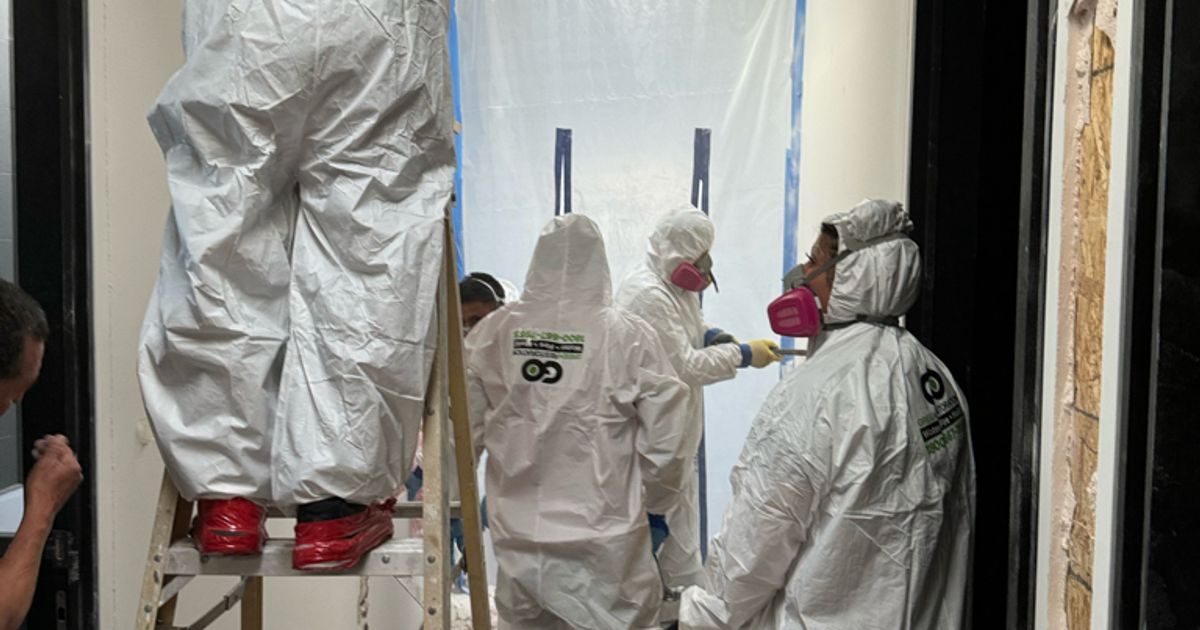
Discover how West Athens's marine layer, aging housing, and drainage issues create perfect conditions for mold growth in your home.
West Athens homeowners face unique mold challenges that stem directly from the area's specific climate patterns and housing characteristics. Located in the 90044 ZIP code area of Los Angeles County, this community of nearly 10,000 residents experiences a perfect storm of environmental conditions that encourage mold growth throughout the year.
The combination of West Athens' proximity to the Pacific Ocean, aging housing infrastructure, and flat terrain creates an environment where moisture accumulates and lingers. Understanding these local factors helps homeowners recognize why mold remediation in West Athens requires specialized knowledge of the area's unique conditions.
Marine Layer Impact on West Athens Homes
West Athens sits approximately 15 miles inland from the Pacific Coast, placing it directly in the path of the marine layer that rolls in from the ocean. This cool, moisture-laden air mass typically arrives during late evening and early morning hours, bringing relative humidity levels that can spike above 80% even during supposedly dry months.
The marine layer creates particularly problematic conditions in West Athens because it interacts with the area's urban heat island effect. During the day, concrete and asphalt in the community absorb heat, then cool rapidly when the marine layer arrives. This temperature differential causes condensation to form on surfaces throughout homes, especially in poorly ventilated areas like bathrooms, basements, and closets near exterior walls.
Homeowners near West Athens Park often notice this phenomenon most clearly on summer mornings, when dew forms heavily on outdoor surfaces. The same moisture that creates visible dew outside is simultaneously condensing inside homes on cold surfaces like windows, pipes, and poorly insulated walls.
Seasonal Moisture Patterns and Housing Age
West Athens' housing stock, much of which dates back several decades, wasn't built with modern moisture control techniques. The community's older homes typically feature single-pane windows, minimal vapor barriers, and outdated ventilation systems that struggle to manage the area's seasonal moisture fluctuations.
During Los Angeles County's rainy season from December through March, West Athens receives most of its annual precipitation in concentrated bursts. The flat terrain characteristic of this area means water doesn't drain quickly, leading to prolonged ground saturation that affects homes through foundation moisture and increased humidity levels.
Spring months bring a particularly challenging combination for West Athens residents. As temperatures warm but marine layer influence remains strong, homes experience wide humidity swings. Mornings might start with 85% relative humidity, drop to 40% by afternoon, then climb back above 70% by evening. These fluctuations stress building materials and create ideal conditions for mold spores to establish colonies.
The aging plumbing systems common in West Athens homes compound these seasonal moisture issues. Older pipes develop small leaks that may go unnoticed for months, especially when hidden behind walls or under concrete slabs typical of the area's construction.
HVAC Condensation Challenges in West Athens
Air conditioning systems in West Athens work overtime due to the area's position between the cooler marine influence and the hotter inland temperatures. This constant cycling creates significant condensation challenges, particularly in homes with older HVAC systems that lack proper drainage or have aging ductwork.
The flat topography of West Athens means many homes have HVAC systems installed in crawl spaces or basements where drainage can be problematic. When condensate drains become clogged or overflow, moisture accumulates in these already humid spaces. The poor air circulation common in these lower areas of older homes allows mold colonies to establish and spread rapidly.
Ductwork in West Athens homes often runs through unconditioned spaces like attics or crawl spaces. During summer months, when air conditioning operates frequently, the temperature difference between cool air inside ducts and warm ambient air causes condensation to form on duct surfaces. Inadequate insulation around ductwork, common in the area's older homes, exacerbates this problem.
Many West Athens residents notice musty odors coming from their air vents, particularly during the first few weeks of heavy air conditioning use each spring. This typically indicates mold growth within the HVAC system, often starting in the condensate pan or drain lines.
Local Weather Patterns and Drainage Issues
West Athens' position in the Los Angeles basin creates specific weather patterns that contribute to mold-friendly conditions. The area experiences frequent temperature inversions, where warm air sits above cooler air near the ground. These inversions trap moisture and pollutants, creating stagnant air conditions that prevent natural drying.
The community's flat terrain, while offering easy navigation and development, creates significant drainage challenges during storm events. Water tends to pool around foundations and in low-lying areas, leading to prolonged soil saturation that affects homes through capillary action and increased ground-level humidity.
Neighboring cities like Gardena and Inglewood experience similar drainage issues, but West Athens' specific location creates additional challenges. The area sits in a slight depression relative to surrounding communities, meaning stormwater from higher elevations naturally flows toward West Athens during heavy rain events.
Local weather monitoring shows that West Athens experiences approximately 15-20 more days per year with relative humidity above 75% compared to inland areas just 10 miles east. This consistent moisture availability gives mold spores ample opportunity to germinate and establish colonies in homes throughout the community.
## Related Articles
Learn more about restoration services in West Athens:
Given West Athens' unique combination of climate factors and housing characteristics, homeowners benefit from understanding their specific mold risks. Go Green Restoration, familiar with the area's particular challenges, often finds that West Athens homes require customized approaches to mold prevention and remediation that account for marine layer influence, aging infrastructure, and drainage limitations.
Regular inspection of areas where these climate factors converge proves essential for West Athens homeowners. Focus on spaces where temperature differences occur, such as areas where air conditioning ducts meet unconditioned spaces, exterior walls that face prevailing winds carrying marine layer moisture, and basement or crawl space areas where drainage issues might develop.
Understanding how West Athens' climate creates mold-friendly conditions empowers homeowners to take proactive measures, from improving ventilation to addressing drainage issues before they become major problems.
Need Professional Help?
Go Green Restoration provides 24/7 emergency services throughout Los Angeles and Ventura Counties. Licensed (#1005708), bonded, and insured.