Common Mold Problems in Alhambra Homes and How to Spot Them
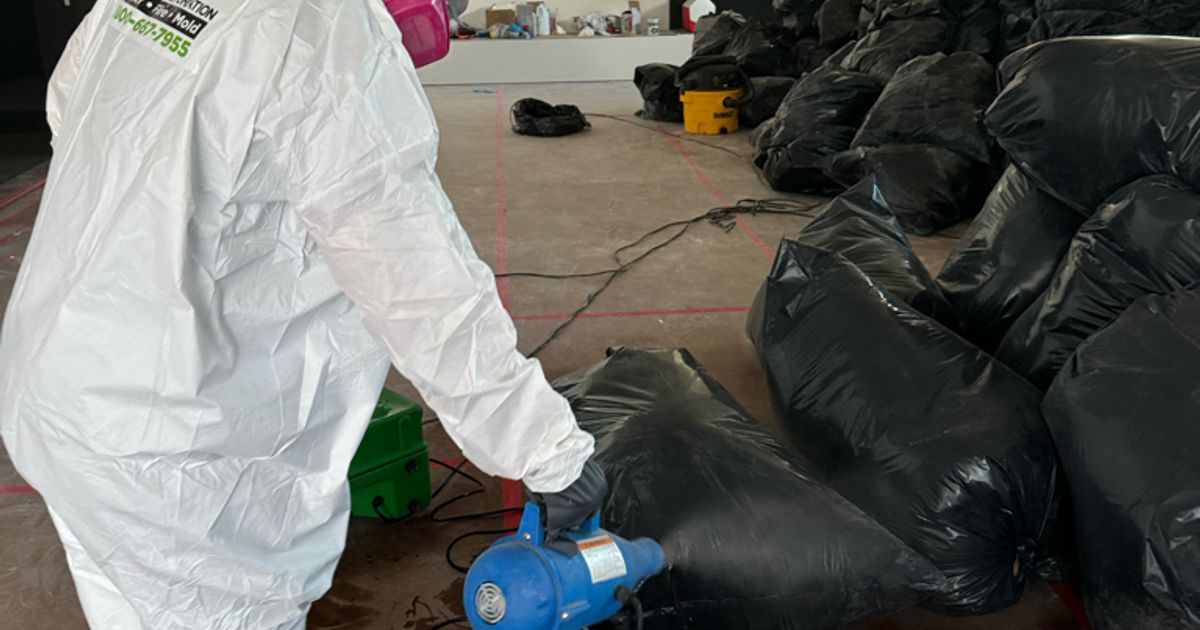
Discover the most common mold issues in Alhambra's older homes and learn how to identify them before they become costly problems.
Alhambra's charming older homes, particularly those in established neighborhoods like Midwick Tract and Granada Park, face unique mold challenges that stem from their vintage construction and the city's Mediterranean climate. Properties built before 1960 throughout zip codes 91801, 91802, and 91803 often feature original galvanized plumbing and outdated ventilation systems that create perfect conditions for mold growth.
The combination of Alhambra's dense residential development and aging infrastructure means that mold problems can spread quickly between units in multi-family buildings, especially those near Almansor Park and along the main corridors. Professional mold remediation in Alhambra becomes essential when these issues are identified, as the city's older building materials and construction methods require specialized knowledge to address effectively.
Bathroom and Kitchen Mold in Pre-1960 Alhambra Homes
Alhambra's vintage homes in neighborhoods like Emery Park commonly develop mold behind bathroom tiles and under kitchen sinks due to original cast iron and galvanized steel plumbing that has deteriorated over decades. These older pipes frequently develop pinhole leaks that go undetected for months, creating moisture buildup in wall cavities. The small, compartmentalized bathrooms typical of 1940s and 1950s Alhambra construction lack adequate ventilation, causing humidity to linger after showers and baths.
Kitchen mold often appears around original window frames above sinks, where condensation from cooking combines with settling that has created gaps in older caulking. Homes near the San Gabriel Mountains foothills experience greater temperature fluctuations that cause expansion and contraction in these vintage window assemblies, creating entry points for moisture that feeds mold growth behind cabinetry and along baseboards.
Basement and Foundation Mold Issues
Many Alhambra homes built in the Ramona neighborhood and surrounding areas feature partial basements or crawl spaces that were constructed before modern moisture barriers became standard. These below-grade spaces accumulate moisture from both groundwater and condensation, particularly during Southern California's winter rainy season when storm runoff can overwhelm the city's older drainage infrastructure.
Foundation mold typically appears as dark patches along concrete walls or wooden floor joists, often accompanied by a musty odor that becomes noticeable throughout the first floor. Properties built on the slight slopes leading toward the San Gabriel River are especially susceptible, as water naturally flows toward these lower-lying areas and can pool around foundations during heavy rains that occasionally impact the region.
Attic Mold from Roof and Ventilation Problems
Alhambra's older homes frequently develop attic mold due to original clay tile or composition roofing that has shifted or cracked over time, allowing moisture penetration during the area's sporadic but intense rainfall events. The city's mature tree canopy, while beautiful, means that properties throughout neighborhoods like Granada Park often have branches overhanging roofs, creating shade that prevents proper drying and dropping debris that can clog gutters.
Insufficient attic ventilation in pre-1960 construction allows warm, humid air to become trapped, especially during summer months when temperatures in the San Gabriel Valley can exceed 90 degrees. This creates condensation on roof decking and insulation, providing ideal conditions for mold growth that often goes unnoticed until homeowners detect odors or see staining on bedroom ceilings.
Wall Cavity Mold Behind Plaster and Drywall
The original horse-hair plaster walls common in Alhambra's historic homes can harbor mold growth when moisture penetrates through exterior stucco cracks or around original steel-casement windows. These wall systems, while durable, lack the moisture barriers found in modern construction, allowing water to wick through materials and remain trapped for extended periods.
Mold behind walls often manifests as discoloration or bubbling paint, particularly on north-facing exterior walls that receive less direct sunlight for natural drying. Homes in the denser residential areas near Alhambra Place may experience additional moisture issues from neighboring properties' irrigation systems or pool equipment that creates localized humidity around shared property lines.
Early Detection and Professional Assessment
Alhambra homeowners should regularly inspect areas where their home's vintage construction materials meet modern updates, as these transition zones often develop moisture problems that lead to mold growth. Pay attention to musty odors, especially in rooms that feel consistently humid or where you notice condensation on windows during temperature changes common to the area's Mediterranean climate.
Go Green Restoration has extensive experience with the specific mold challenges found in Alhambra's older housing stock, understanding how the city's unique combination of vintage construction and local climate conditions create particular vulnerability patterns. Professional mold assessment becomes especially important in multi-unit properties where contamination can affect neighboring residences and in homes where original building materials may contain asbestos or lead paint that requires specialized handling during remediation work.
Regular maintenance of gutters, prompt repair of plumbing leaks, and ensuring adequate ventilation in bathrooms and kitchens can prevent many mold problems before they develop into larger issues requiring extensive remediation in your Alhambra home.
For more information, visit our mold resources.
Need Professional Help?
Go Green Restoration provides 24/7 emergency services throughout Los Angeles and Ventura Counties. Licensed (#1005708), bonded, and insured.