Common Mold Problems in Castaic Homes and How to Spot Them
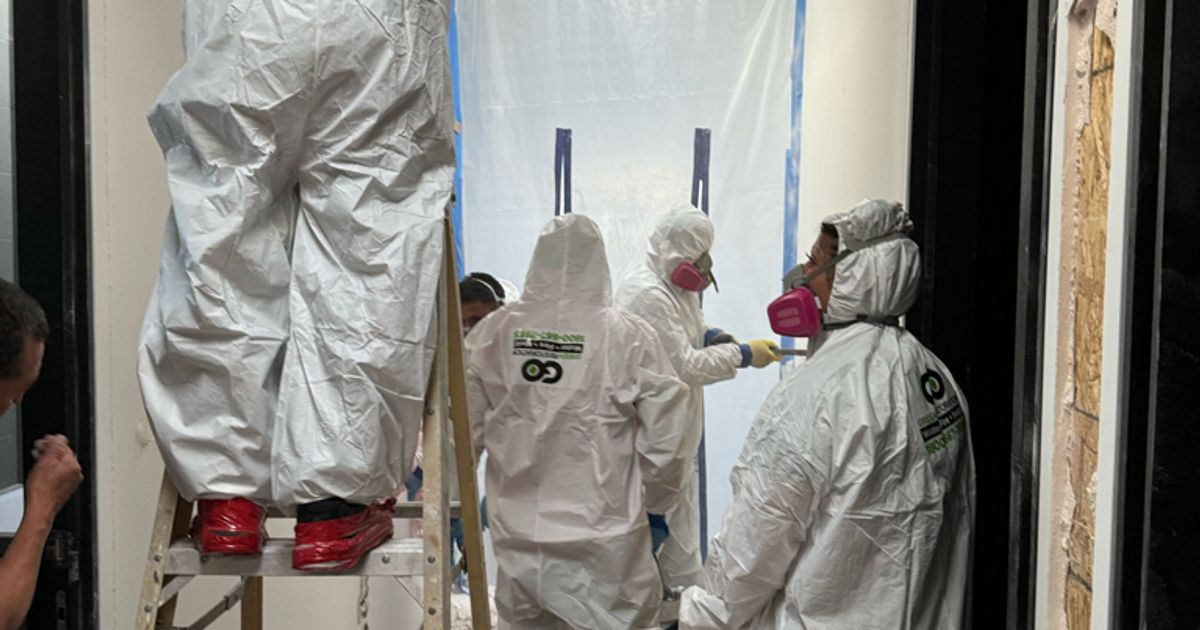
Learn to identify common mold issues in Castaic homes, from lake moisture problems to wildfire aftermath concerns. Expert tips for local homeowners.
Castaic's unique location between the Santa Clarita Valley and Castaic Lake creates specific conditions that make certain areas of your home vulnerable to mold growth. The combination of seasonal moisture from the lake, flash flooding potential in canyon areas, and the aftermath of wildfire suppression efforts can create perfect breeding grounds for mold in local homes.
Homeowners in neighborhoods like Val Verde and the Castaic Lake Area face distinct challenges due to their proximity to water sources and varying elevations. Properties closer to Castaic Lake often experience higher humidity levels, while homes in Hasley Canyon may deal with moisture intrusion from canyon runoff during winter storms. Understanding these local conditions helps you identify where mold remediation in Castaic might become necessary in your specific property.
As restoration professionals serving the 91310 and 91384 zip codes, Go Green Restoration has observed recurring mold patterns that directly correlate with Castaic's geography and housing characteristics. The area's mix of newer developments and established properties from the 1980s and 1990s creates varied vulnerability levels depending on construction methods and materials used.
Basement and Foundation Issues Near Castaic Lake
Homes in the Castaic Lake Area frequently develop mold problems in below-grade spaces due to the proximity to water and fluctuating lake levels. Properties along Lake Hughes Road and surrounding streets often experience foundation moisture intrusion, especially during periods when lake levels are high or after significant rainfall events that cause runoff from the surrounding hills.
Basement mold typically appears as dark patches along foundation walls or a musty odor that becomes more pronounced during humid summer months. Castaic's elevation changes mean that homes built into hillsides may have partial basements or crawl spaces that collect moisture from both groundwater and surface runoff. Check foundation walls regularly for white mineral deposits (efflorescence) which often precede mold growth, and inspect any stored items in these areas for signs of moisture damage.
Properties near Castaic Junction, where the terrain flattens out, may experience different foundation issues related to poor drainage rather than hillside runoff. These homes often show mold growth around floor joints where concrete slabs meet foundation walls, particularly in utility rooms and garages.
Attic Mold from Wildfire Suppression and Weather Events
Castaic's location in a high-risk wildfire zone means many homes have experienced fire suppression activities, even if not directly affected by flames. Water used in firefighting efforts can penetrate roof systems and create long-term moisture problems that lead to attic mold growth. This is particularly common in properties along the ridgelines and hillsides of Hasley Canyon and Val Verde.
Attic mold from suppression activities often appears months after the initial event, making it easy to overlook during immediate post-fire inspections. Look for dark staining on roof decking, particularly around ventilation penetrations and areas where water may have pooled. The combination of Castaic's hot, dry summers and sudden moisture intrusion creates ideal conditions for rapid mold development in these enclosed spaces.
Even without fire involvement, Castaic homes face unique attic challenges due to the area's temperature extremes and occasional heavy winter rains. Properties with older ventilation systems may struggle to manage moisture buildup, especially those built before current building codes required improved attic ventilation standards.
Bathroom and Kitchen Problems in Local Housing Styles
The ranch-style and two-story homes common throughout Castaic often feature bathroom and kitchen configurations that create mold-prone areas. Many properties built during the area's major development phases in the 1980s and 1990s have master bathrooms with limited ventilation, particularly in homes along the hillsides where adding exterior vents proved challenging during construction.
Kitchen mold issues frequently develop in homes with island configurations popular in newer Castaic developments, where steam and cooking moisture can accumulate in areas with inadequate exhaust systems. Properties in the Castaic Lake Area may experience additional challenges due to higher ambient humidity levels that make it harder for these spaces to dry completely between uses.
Look for mold growth behind kitchen backsplashes, particularly around sink areas and dishwasher connections. In bathrooms, check tile grout lines, shower door tracks, and areas around tub surrounds where caulking may have failed. The hard water common in some Castaic neighborhoods can accelerate caulk deterioration, creating entry points for moisture that leads to hidden mold growth.
HVAC System Contamination from Dust and Moisture
Castaic's position along the I-5 corridor and proximity to construction activities creates high dust loads that can clog HVAC systems and create mold growth opportunities when combined with system condensation. Homes in areas like Hasley Canyon, which experience both dust from nearby construction and seasonal pollen from surrounding vegetation, face particular challenges with HVAC-related mold problems.
Air conditioning systems working hard during Castaic's hot summers can develop condensation issues, especially in ductwork running through unconditioned spaces like garages or crawl areas. This moisture, combined with dust accumulation, creates perfect conditions for mold growth that then circulates throughout your home's air supply.
Inspect air vents regularly for visible mold growth or unusual odors when the system starts up. Pay particular attention to return air vents in hallways and bedrooms, where mold growth often becomes visible first. Properties that have experienced power outages during extreme weather events may have additional risks if HVAC systems were shut down during periods of high humidity, allowing moisture to accumulate in ductwork.
Window and Sliding Door Issues in Canyon Properties
The sliding glass doors and large windows popular in Castaic homes take advantage of scenic views but can create condensation problems that lead to mold growth. Properties in canyon locations often experience temperature differentials that cause condensation on glass surfaces, particularly during winter months when heating systems create indoor-outdoor temperature variations.
Mold growth around window frames and sliding door tracks is common in homes facing north or east, where morning condensation may not dry completely before evening temperatures drop again. This pattern is particularly noticeable in properties along the hillsides of Val Verde and upper Hasley Canyon, where elevation changes create microclimates that affect individual homes differently.
Check window sills and door tracks regularly for standing water or mineral deposits that indicate ongoing moisture problems. Pay attention to curtains or blinds that seem to stay damp, as these can harbor mold growth that eventually spreads to surrounding wall surfaces and window frames.
For more information, visit our mold resources.
Need Professional Help?
Go Green Restoration provides 24/7 emergency services throughout Los Angeles and Ventura Counties. Licensed (#1005708), bonded, and insured.