Common Mold Problems in Cerritos Homes and How to Spot Them
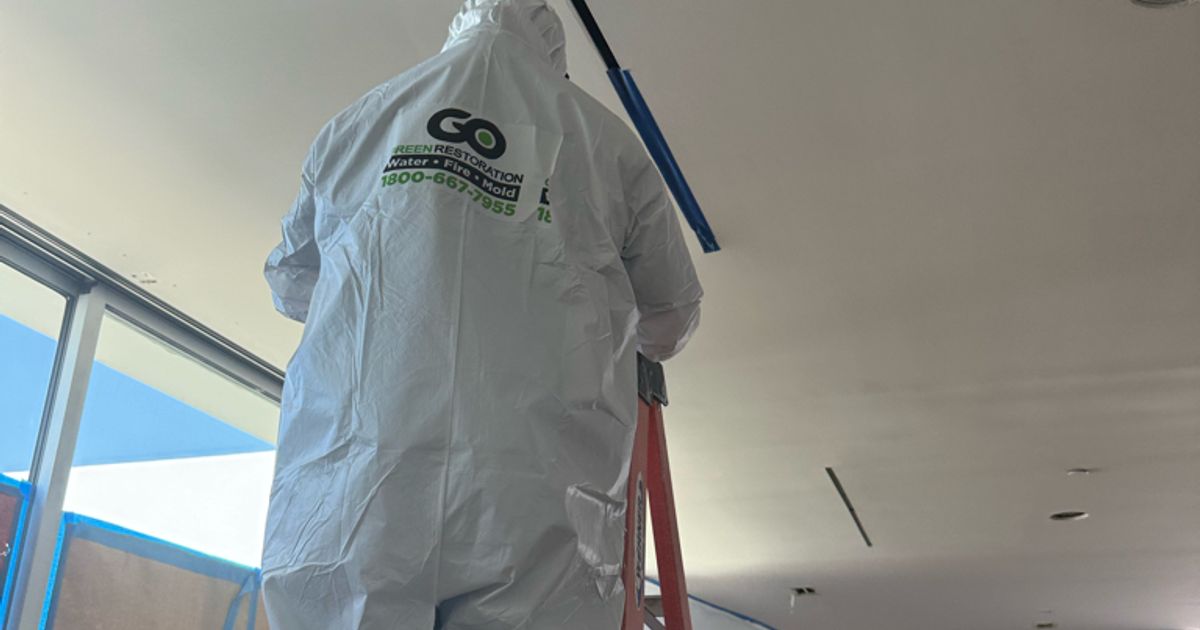
Discover the most common mold issues in Cerritos homes, from aging plumbing problems to AC condensation. Learn where to look and warning signs.
Cerritos homeowners face unique mold challenges that stem from the city's distinctive housing characteristics and local climate conditions. The community's well-planned neighborhoods, particularly around Heritage Park and the Cerritos Towne Center area, feature predominantly single-family homes constructed during the 1960s and 1970s building boom. These aging structures, combined with Cerritos' flat terrain and clay soil composition, create specific conditions where mold problems frequently develop.
The city's mature housing stock means many residents are dealing with original plumbing systems, roofing materials, and HVAC installations that have reached or exceeded their expected lifespan. Professional mold remediation in Cerritos has become increasingly necessary as these aging systems create moisture intrusion points throughout local homes.
Bathroom and Plumbing-Related Mold Issues
Cerritos homes built in the 1960s and 1970s often feature original cast iron plumbing that's now prone to leaks and corrosion. These aging systems frequently develop slow leaks behind bathroom walls, particularly in homes near Los Cerritos Center where the original tract housing used similar construction methods. Homeowners should inspect areas around bathtubs, shower surrounds, and toilet bases for soft spots in flooring or discolored grout lines.
The clay soils prevalent throughout Cerritos can shift and settle over decades, causing subtle movement in plumbing connections. This movement often creates hairline cracks in pipes or loose fittings that allow moisture to seep into wall cavities. Black or dark green mold growth behind bathroom vanities and along baseboards near plumbing fixtures indicates these hidden moisture problems.
Air Conditioning and Attic Mold Problems
Cerritos' hot, dry summers force air conditioning systems to work continuously, creating significant condensation issues in many local homes. The temperature differential between cooled indoor air and hot attic spaces above creates ideal conditions for moisture accumulation. Homes in the Heritage Park area, with their typical ranch-style architecture and large attic spaces, are particularly susceptible to this type of mold development.
Condensation from overworked AC units often drips onto attic insulation, creating damp conditions that persist for months. Homeowners should check attic spaces for musty odors, darkened insulation materials, or visible mold growth on wooden roof decking. The flat terrain characteristic of Cerritos means less natural ventilation in attic spaces, allowing moisture problems to compound over time.
Kitchen and Appliance-Related Mold Growth
The galley-style kitchens common in Cerritos' 1960s tract homes often lack adequate ventilation for cooking moisture. These compact spaces, combined with original exhaust fans that may no longer function effectively, create humid conditions that promote mold growth behind cabinets and around sink areas. Homes near the Cerritos Center for the Performing Arts, many of which feature these original kitchen layouts, frequently develop mold problems around dishwashers and under-sink plumbing.
Refrigerator water lines and ice makers in these older homes often use original copper tubing that can develop pinhole leaks over time. These slow leaks create persistent moisture behind appliances and inside cabinet spaces, leading to hidden mold colonies that may go undetected for years. Dark staining on cabinet floors or musty odors when opening lower cabinets indicate potential mold issues.
Basement and Foundation Moisture Issues
While true basements are uncommon in Cerritos due to the high water table, many homes feature partial basements, crawl spaces, or slab-on-grade foundations that develop moisture problems. The city's clay soil composition retains water during winter rains, creating hydrostatic pressure against foundation walls. This pressure can force moisture through concrete foundations, particularly in homes built before modern moisture barrier techniques were standard.
Crawl spaces in Cerritos homes often show signs of mold growth on wooden floor joists and subfloring materials. The combination of poor ventilation and moisture wicking up from clay soils creates persistent humidity levels above 60%, which supports mold development. Homeowners should inspect these areas for white, fuzzy growth on wood surfaces or black staining on concrete foundation walls.
## Related Articles
Learn more about restoration services in Cerritos:
Recognizing mold problems early prevents extensive damage and costly remediation in Cerritos homes. Go Green Restoration Inc regularly assists local homeowners in identifying and addressing these common mold issues before they become major problems. The company's experience with the specific challenges facing Cerritos' housing stock helps homeowners understand which areas of their homes require the most attention.
Homeowners should conduct regular inspections focusing on areas where moisture problems typically develop in local housing types. Check for water stains on ceilings, particularly in bathrooms and kitchens of homes built during Cerritos' major development period. Look for peeling paint or wallpaper, which often indicates moisture intrusion behind wall surfaces. Pay attention to persistent musty odors, especially in closed spaces like closets, pantries, or utility rooms.
Professional mold assessment becomes necessary when visual signs appear or when health symptoms suggest mold exposure. The unique construction characteristics and aging infrastructure common in Cerritos homes often require specialized knowledge to properly identify moisture sources and develop effective remediation strategies.
Need Professional Help?
Go Green Restoration provides 24/7 emergency services throughout Los Angeles and Ventura Counties. Licensed (#1005708), bonded, and insured.