Common Mold Problems in East Rancho Dominguez Homes and How to Spot Them
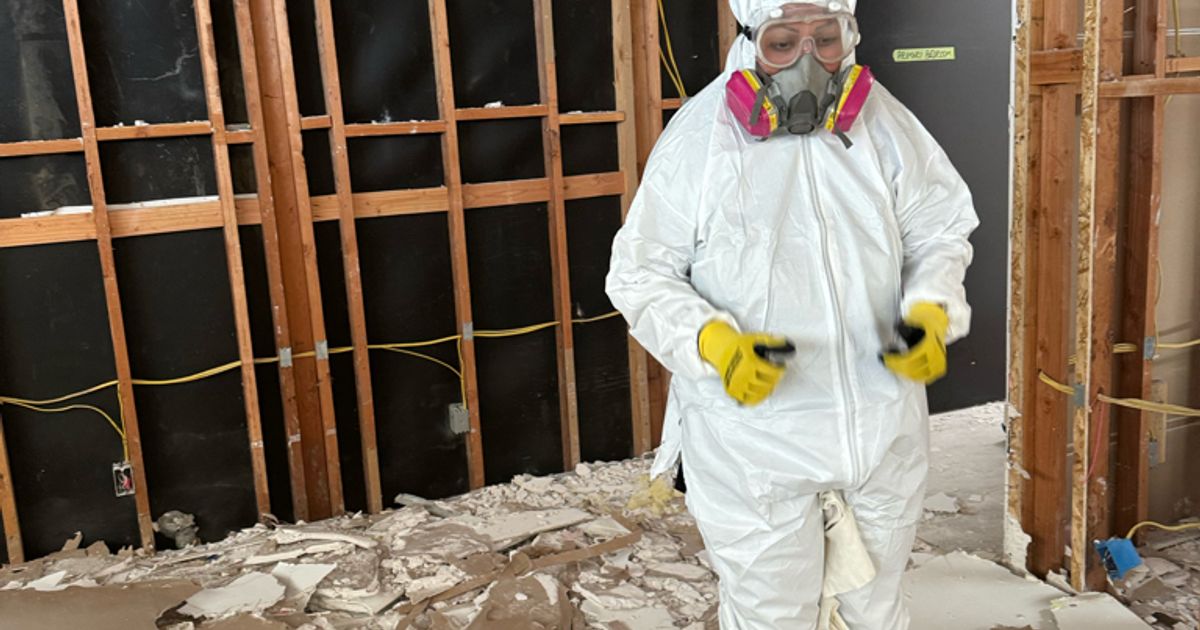
Discover the most common mold issues in East Rancho Dominguez homes, from flood-prone areas near Dominguez Channel to aging infrastructure problems.
East Rancho Dominguez homeowners face unique mold challenges due to the area's flat terrain and aging housing stock. The community's proximity to the Dominguez Channel creates persistent moisture concerns, while many homes built in the 1950s and 1960s struggle with outdated plumbing and ventilation systems that haven't kept pace with modern standards.
The 90221 zip code experiences a perfect storm of conditions that promote mold growth. Homes near Campanella Park and throughout the East Rancho Dominguez Community often deal with poor drainage from winter rains, creating ideal environments for mold to flourish in basements, crawl spaces, and ground-level rooms. Professional mold remediation in East Rancho Dominguez becomes necessary when these moisture issues combine with the area's older building materials and limited air circulation.
Flood-Related Mold Issues from Dominguez Channel Proximity
The Dominguez Channel's influence on local moisture levels creates ongoing mold risks for East Rancho Dominguez residents. Homes within a half-mile of the channel frequently experience elevated humidity levels, especially during Los Angeles County's rainy season from December through March. The flat topography means water doesn't drain efficiently, leading to standing water around foundations and in yards.
Basements and ground-floor rooms in homes near the channel often develop black mold (Stachybotrys) behind drywall and under flooring. Residents typically first notice a musty odor in these areas, followed by dark staining along baseboards and corners where walls meet floors. The problem becomes particularly acute in homes built before 1970, which lack proper moisture barriers and modern drainage systems.
Aging Infrastructure and Plumbing-Related Mold Growth
Many East Rancho Dominguez homes feature original plumbing from the 1950s and 1960s, creating multiple opportunities for mold development. Cast iron pipes common in these older homes frequently develop pinhole leaks behind walls, feeding mold growth for months before homeowners notice visible signs. The area's hard water, typical of Los Angeles County, accelerates pipe corrosion and increases leak frequency.
Bathrooms in these older homes often lack adequate exhaust fans, causing steam and moisture to accumulate in wall cavities. Residents should check behind toilets, under sinks, and around shower surrounds for soft spots in drywall or discolored grout lines. Kitchen areas present similar challenges, with original cabinets and countertops showing water damage around sinks and dishwasher connections.
HVAC System Mold Problems in Local Climate Conditions
East Rancho Dominguez's Mediterranean climate creates specific challenges for heating and cooling systems. The area's mild winters mean many homes rely heavily on air conditioning during hot summer months, but aging ductwork in older homes often lacks proper insulation. This temperature differential creates condensation inside ducts, particularly in homes with original 1960s-era systems.
Window-mounted air conditioning units, common in smaller homes throughout the community, frequently develop mold in their internal components. The units struggle with the area's occasional high humidity from marine layer influences drifting inland from nearby Long Beach and Carson. Homeowners should inspect AC units for black or green growth around vents and notice any musty odors when systems first turn on.
Structural Mold Issues in Post-War Housing Stock
The predominant housing style in East Rancho Dominguez consists of single-story ranch homes and small apartment complexes built during the post-World War II boom. These structures often feature flat or low-pitched roofs that don't shed water effectively, leading to pooling and eventual leaks. The original tar and gravel roofing materials common in the area have exceeded their intended lifespan, creating entry points for moisture.
Attic spaces in these homes frequently show mold growth around roof penetrations and along eaves where gutters may have overflowed. The area's occasional windstorms, particularly Santa Ana conditions that affect the broader Los Angeles basin, can damage aging roof materials and create new leak points. Homeowners should inspect attic areas after any significant weather event, looking for water stains, soft insulation, or visible mold growth on wooden roof decking.
Prevention Strategies for East Rancho Dominguez Homes
Successful mold prevention in East Rancho Dominguez requires addressing the area's specific environmental challenges. Installing proper drainage around foundations becomes essential given the flat terrain and proximity to the Dominguez Channel. French drains and improved grading can redirect water away from homes, particularly important for properties in lower-lying areas near Campanella Park.
Upgrading ventilation systems in older homes helps combat the moisture retention common in post-war construction. Adding exhaust fans in bathrooms and kitchens, along with improving attic ventilation, creates air movement that prevents mold-friendly conditions. Go Green Restoration Inc regularly works with East Rancho Dominguez homeowners to identify these moisture sources and develop targeted prevention strategies that address both the area's climate conditions and aging infrastructure challenges.
Regular maintenance becomes particularly important given the area's housing age and environmental factors. Homeowners should inspect plumbing connections quarterly, clean gutters before each rainy season, and monitor humidity levels in basements and crawl spaces. Early detection and professional assessment can prevent minor moisture issues from becoming major mold problems that affect both property value and family health.
For more information, visit our mold resources.
Need Professional Help?
Go Green Restoration provides 24/7 emergency services throughout Los Angeles and Ventura Counties. Licensed (#1005708), bonded, and insured.