Common Mold Problems in Quartz Hill Homes and How to Spot Them
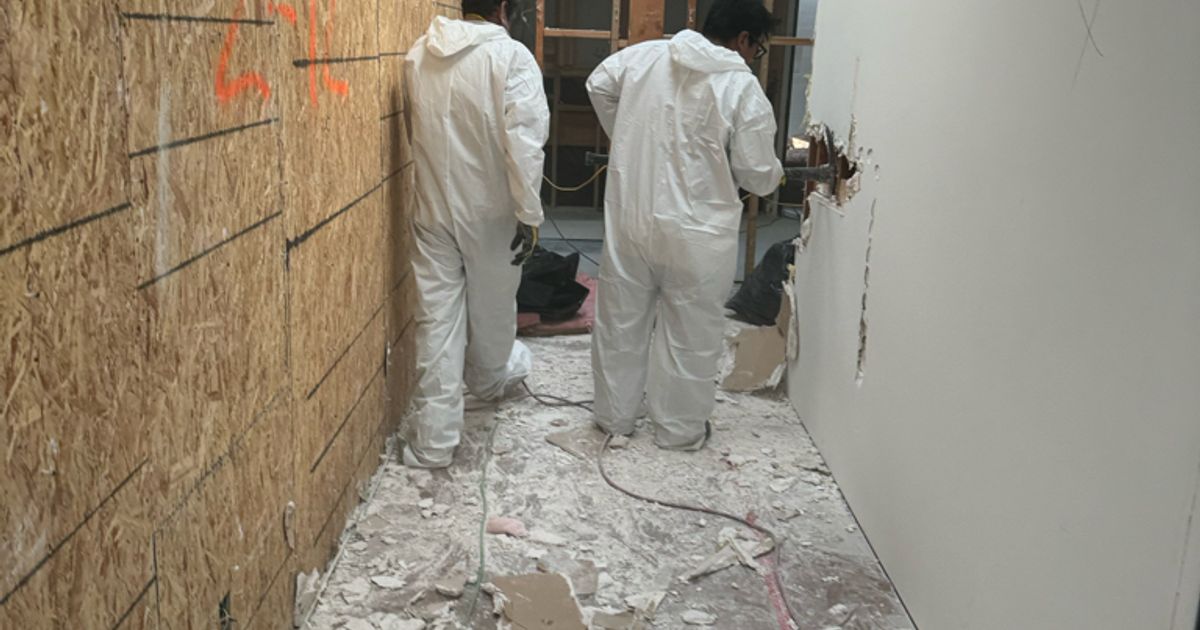
Discover the most common mold issues affecting Quartz Hill homes, from HVAC condensation to flash flood damage. Learn where to look and what to watch for.
High Desert Climate Creates Unique Mold Challenges
Quartz Hill's high desert location in the Antelope Valley presents homeowners with distinct mold risks that differ significantly from coastal Los Angeles County properties. The extreme temperature swings between scorching summer days exceeding 100°F and surprisingly cold winter nights create constant expansion and contraction in building materials, leading to cracks and gaps where moisture can accumulate. These temperature fluctuations, combined with occasional flash flooding from desert storms, create perfect conditions for mold growth in unexpected places throughout Quartz Hill's predominantly single-story ranch homes and manufactured housing communities.
Many residents discover mold issues only after significant growth has occurred, particularly following the area's intense summer monsoon seasons when brief but heavy rainfall can overwhelm drainage systems. Professional mold remediation in Quartz Hill becomes necessary when these moisture events combine with the area's sealed homes designed to combat extreme heat, trapping humidity inside where it can't naturally dissipate.
HVAC Systems: The Hidden Mold Factory
Quartz Hill homes rely heavily on air conditioning systems running continuously during the area's brutal summer months, often from May through October. These overworked HVAC units create significant condensation, especially in the ductwork running through hot attics where temperatures can exceed 140°F. The dramatic temperature differential between the cool air inside ducts and the superheated attic space causes moisture to condense and pool in low spots, creating ideal breeding grounds for mold.
Look for musty odors when your system first turns on, particularly after it's been off for several hours during cooler morning temperatures. Dark stains around air vents, especially those closest to the outdoor unit, often indicate mold growth within the ductwork. Many Quartz Hill homeowners notice increased allergy symptoms during peak cooling season, which may signal hidden mold in their air delivery system rather than seasonal allergies from the area's desert vegetation.
Flash Flood Damage and Moisture Intrusion
The high desert's hard-packed soil and sparse vegetation mean that when storms hit Quartz Hill, water has nowhere to go except into the lowest available spaces. Homes in the flatter areas near Avenue L and around the Quartz Hill Library often experience water intrusion during flash flood events, particularly those built on concrete slabs without proper moisture barriers.
Basements are rare in Quartz Hill due to the desert hardpan, but crawl spaces and areas where homes meet the ground become vulnerable points. Check for water stains along baseboards, particularly on the north sides of homes where morning dew combines with poor drainage. Mold often appears first as small dark spots along the bottom edges of drywall or as a musty smell in closets built against exterior walls.
Manufactured Housing Vulnerabilities
A significant portion of Quartz Hill's housing consists of manufactured homes, which face unique mold challenges in the high desert environment. The metal skirting common on these homes creates enclosed spaces underneath that can trap moisture from irrigation systems, pool equipment, or HVAC condensation. Temperature extremes cause the metal components to expand and contract, creating gaps where moisture can enter.
Examine the areas where utilities enter your manufactured home, particularly water and sewer connections that may develop small leaks over time. The combination of trapped moisture and limited ventilation under these homes creates perfect conditions for mold growth. Pay attention to soft spots in flooring near bathrooms and kitchens, which may indicate moisture damage and potential mold growth in subflooring materials.
Swamp Cooler Problems
Many Quartz Hill residents use evaporative coolers (swamp coolers) as an energy-efficient alternative to traditional air conditioning during the area's dry heat periods. While effective for cooling, these systems introduce significant moisture into homes and require careful maintenance to prevent mold issues. The water reservoirs and cooling pads can become breeding grounds for mold if not properly cleaned and maintained.
Inspect your swamp cooler's water lines and reservoir regularly for slimy buildup or dark discoloration. Mold from poorly maintained evaporative coolers often appears first around the cooler unit itself, then spreads through the home's ventilation system. The high mineral content in Quartz Hill's well water can accelerate this problem by providing additional nutrients for mold growth.
## Related Articles
Learn more about restoration services in Quartz Hill:
Go Green Restoration has observed that Quartz Hill's unique combination of extreme temperatures, flash flood risks, and specialized housing types often requires professional assessment to identify all moisture sources and potential mold growth areas. The area's remote location means that small problems can quickly become major issues if not addressed promptly.
Schedule professional mold inspection if you notice persistent musty odors, experience unexplained respiratory symptoms, or discover water damage from any source. The high desert's extreme conditions can cause mold to spread rapidly once established, making early detection and professional remediation essential for protecting your family's health and your home's structural integrity. Don't wait for visible growth to appear – by that time, mold has often spread far beyond what you can see on the surface.
Need Professional Help?
Go Green Restoration provides 24/7 emergency services throughout Los Angeles and Ventura Counties. Licensed (#1005708), bonded, and insured.