Hidden Mold in Bellflower Homes: Where to Look
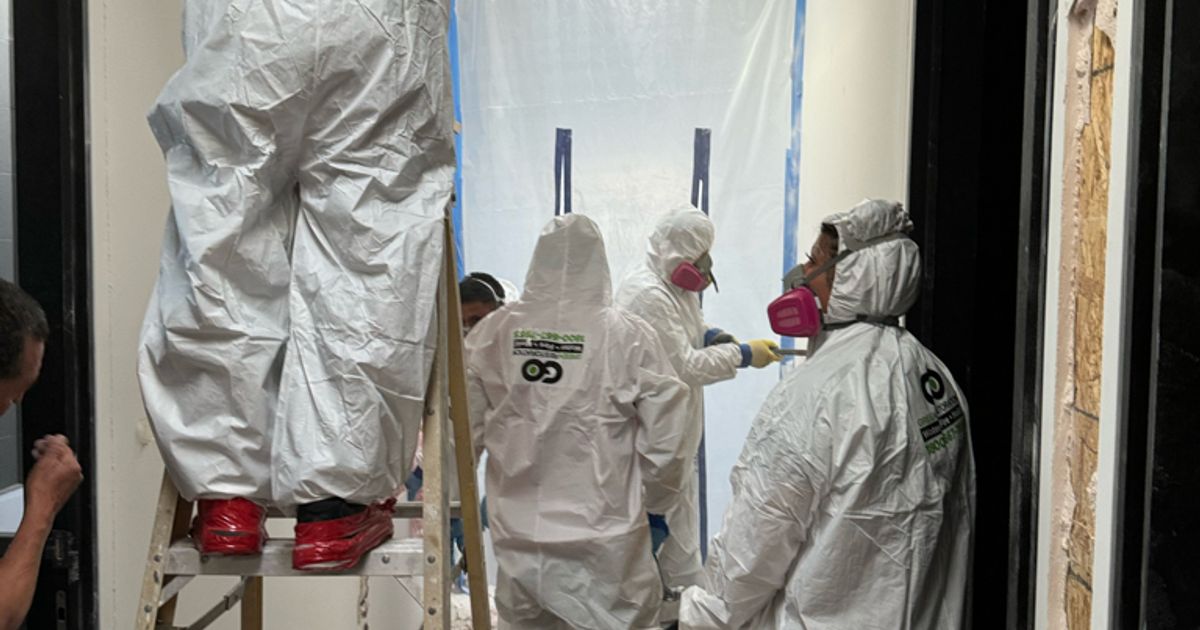
Discover where mold hides in Bellflower's post-war homes. Learn to spot problem areas in older housing stock before issues spread.
Bellflower's post-war housing boom created thousands of homes between the 1940s and 1960s, but these older structures now harbor perfect conditions for hidden mold growth. The city's 79,877 residents living in neighborhoods like Mayfair and North Bellflower often discover mold problems only after they've spread extensively behind walls and under floors. Understanding where mold typically hides in these vintage homes can save homeowners from costly damage and health concerns.
The combination of Bellflower's clay soil, flat terrain, and aging infrastructure creates unique challenges for moisture control. Many homes still have original galvanized steel plumbing that corrodes over time, causing slow leaks that feed mold growth in hidden spaces. Professional mold remediation in Bellflower often reveals extensive contamination that homeowners never suspected, particularly in areas where these older building systems have failed.
Behind Walls and Inside Wall Cavities
Bellflower's post-war homes typically feature plaster walls over wood lath, creating numerous cavities where moisture can accumulate undetected. The galvanized steel pipes common in these homes often develop pinhole leaks inside walls, especially near bathroom and kitchen areas. These slow drips create perfect conditions for mold growth between studs, where it can flourish for months before becoming visible on interior surfaces.
Homes near Bellflower Boulevard's commercial district face additional challenges from vibrations and settling that can crack pipes and create new leak points. The clay soil throughout the 90706 area expands and contracts with moisture changes, putting stress on plumbing connections and potentially opening pathways for water intrusion. Check for water stains, musty odors, or soft spots on walls, particularly around plumbing fixtures and in rooms adjacent to bathrooms.
Exterior walls facing south and west receive intense afternoon sun that can drive moisture from the clay soil up through foundation walls and into framing. This process, combined with poor ventilation in older homes, creates ideal conditions for mold growth within wall assemblies. Pay attention to corners where exterior walls meet, as these areas often trap moisture and provide less air circulation.
Under Flooring and Subfloor Areas
The flat terrain throughout Bellflower means many homes have minimal crawl space ventilation, creating stagnant air conditions perfect for mold growth. Original hardwood floors in many post-war homes often conceal moisture problems in the subfloor, particularly where bathroom and kitchen floors meet. The clay soil's poor drainage characteristics mean water can pool under homes during rainy seasons, especially in areas like Thompson Park where the terrain is particularly flat.
Many Bellflower homes have had flooring updates over the decades, but moisture barriers weren't always installed properly during renovations. This oversight allows ground moisture to seep up through concrete slabs or wooden subfloors, creating hidden mold problems beneath newer flooring materials. Vinyl and laminate floors can trap moisture against subflooring, while carpet padding acts like a sponge in areas with plumbing leaks.
Basement and ground-level rooms in older Bellflower homes often show signs of moisture intrusion around floor edges and corners. The city's clay soil retains water longer than sandy soils, keeping foundation areas damp for extended periods. Look for buckling floorboards, loose tiles, or carpet that feels damp, especially in rooms below grade or adjacent to bathrooms and kitchens.
HVAC Systems and Ductwork
Bellflower's older homes often have original ductwork that lacks proper insulation and vapor barriers, creating condensation problems inside air conditioning systems. The city's warm climate means air conditioning runs frequently, and poorly insulated ducts in attics or crawl spaces can develop moisture problems when cold air meets hot surfaces. This condensation provides ideal conditions for mold growth throughout the entire duct system.
Many homes in the Mayfair and North Bellflower areas have had HVAC systems added or modified over the years, sometimes without proper attention to moisture control. Flex ducts that sag or have tears can collect condensation and debris, creating perfect mold breeding grounds. Return air vents often pull moisture from crawl spaces or attics, distributing mold spores throughout the home.
Evaporative coolers, common in some older Bellflower homes, present particular mold risks when not properly maintained. The combination of standing water and organic materials in cooling pads creates ideal mold conditions, especially during humid periods. Check ductwork connections, air handler units, and any areas where ducts pass through unconditioned spaces for signs of moisture or musty odors.
Attics and Roof Areas
Bellflower's post-war homes typically have hip or gable roofs with limited ventilation, creating hot, humid conditions in attic spaces during summer months. Many homes still have original roofing materials that may have developed small leaks over the decades, allowing moisture intrusion that supports mold growth in insulation and wooden structural members. The William Bristol Civic Auditorium area includes many homes with similar construction patterns that show these aging roof issues.
Attic insulation in older Bellflower homes often lacks proper vapor barriers, allowing warm, moist air from living spaces to condense against cooler roof surfaces. This process creates ongoing moisture problems that can support extensive mold growth on roof sheathing and rafters. Bathroom and kitchen exhaust fans that terminate in attics rather than outside create particularly problematic moisture sources.
Roof-mounted evaporative coolers and older HVAC equipment can develop leaks that aren't immediately visible from inside the home. These slow leaks saturate insulation and create ideal conditions for mold growth across large attic areas. Inspect attic spaces regularly for water stains, damp insulation, or musty odors, particularly after winter rains when clay soil conditions can contribute to higher humidity levels throughout the home.
Professional Assessment and Local Expertise
Given the unique challenges posed by Bellflower's post-war housing stock and clay soil conditions, professional mold assessment often reveals problems that homeowners cannot detect on their own. Go Green Restoration has extensive experience with the specific mold patterns common in this area's older homes, from galvanized pipe failures to foundation moisture issues related to the local soil conditions.
Hidden mold problems in Bellflower homes typically involve multiple interconnected issues, from aging plumbing systems to inadequate moisture barriers in construction methods common during the post-war building boom. Early detection and professional remediation can prevent extensive damage and protect your family's health while preserving your home's value in this established Los Angeles County community.
For more information, visit our mold resources.
Need Professional Help?
Go Green Restoration provides 24/7 emergency services throughout Los Angeles and Ventura Counties. Licensed (#1005708), bonded, and insured.