Hidden Mold in Hermosa Beach Homes: Where to Look
Discover where hidden mold grows in Hermosa Beach homes. From salt air damage to marine moisture, learn the specific hiding spots in coastal properties.
Hermosa Beach's prime oceanfront location brings both paradise living and unique challenges for homeowners. The constant salt air and marine moisture that make The Strand so desirable also create perfect conditions for hidden mold growth throughout the community's diverse housing stock. From the Sand Section's beach-adjacent properties to the Hill Section's elevated homes, mold finds ways to establish itself in places homeowners rarely think to check.
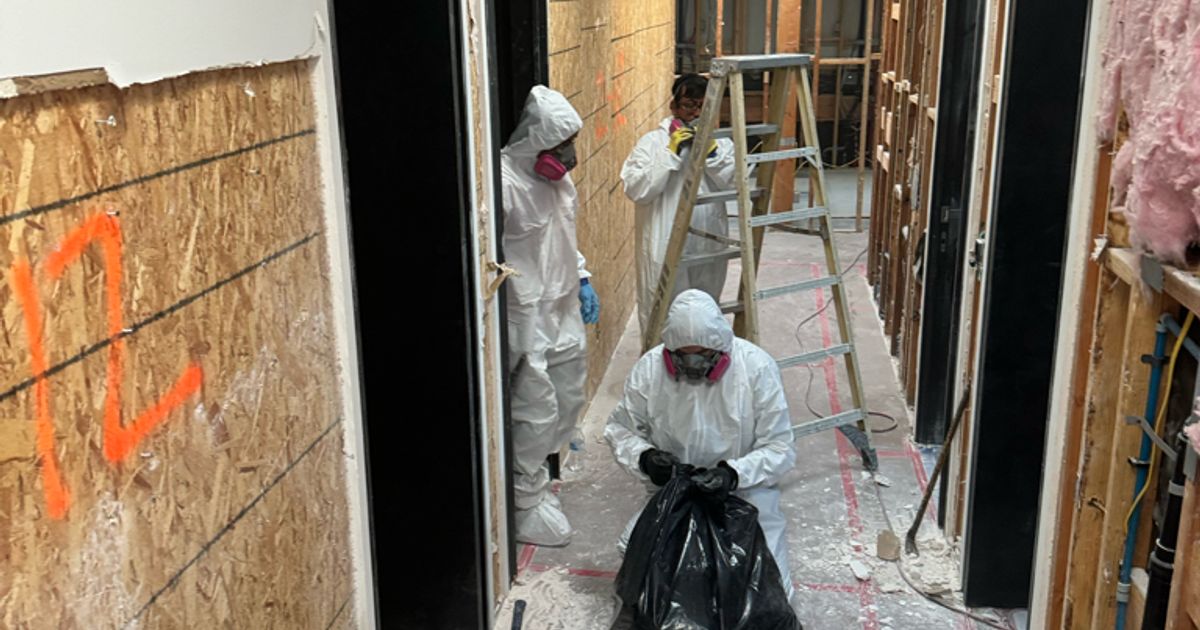
The persistent ocean breeze carries moisture deep into homes throughout the 90254 zip code, while the area's dense housing development means that water intrusion affecting one property can quickly spread to neighboring structures. Professional mold remediation in Hermosa Beach often reveals extensive hidden growth that homeowners discovered only after visible signs appeared elsewhere in their homes.
Behind Walls: Salt Air's Silent Damage
Hermosa Beach's proximity to the Pacific Ocean means salt-laden air constantly penetrates building materials throughout the Sand Section and properties near Hermosa Beach Pier. This marine environment causes unique deterioration patterns where salt crystals draw moisture into wall cavities, creating ideal conditions for mold growth behind drywall and within insulation.
Properties in the Valley Section, while slightly inland, still experience significant salt air exposure that accelerates the breakdown of exterior caulking and weatherstripping. Once these barriers fail, moisture enters wall cavities where it remains trapped, feeding mold colonies that can grow for months undetected. The area's older beach cottages and mid-century homes often have minimal vapor barriers, making them particularly susceptible to this type of hidden moisture intrusion.
Homeowners should pay special attention to exterior walls facing the ocean, as these surfaces bear the brunt of salt air exposure. Look for subtle signs like paint bubbling, wallpaper peeling at edges, or slight discoloration that might indicate moisture problems behind the surface.
Under Flooring: Marine Moisture's Ground-Level Impact
The Hill Section's elevated properties might seem protected from moisture issues, but Hermosa Beach's unique microclimate creates condensation problems that affect flooring throughout the community. The temperature differential between cool ocean air and warm interior spaces causes moisture to condense beneath flooring materials, particularly in homes with concrete slab foundations common in the area's post-war construction boom.
Hardwood floors in Hermosa Valley homes often show the first signs of this hidden moisture through subtle warping or gaps between boards. The marine air's high humidity levels mean that even properly sealed floors can develop moisture problems when vapor barriers fail or were never properly installed. Beach-adjacent properties face additional challenges from storm surge during major coastal events, which can drive saltwater beneath flooring where it creates long-term moisture issues.
Carpeted areas present particular risks, as the padding beneath can retain moisture for extended periods while appearing dry on the surface. This is especially problematic in ground-floor rooms of homes near The Strand, where the combination of ocean humidity and minimal elevation creates persistent dampness.
HVAC Systems: Coastal Air's Hidden Pathway
Hermosa Beach's year-round mild climate means many homes rely heavily on HVAC systems to manage humidity rather than temperature, but this constant operation in salt-laden air creates unique maintenance challenges. The marine environment causes accelerated corrosion of ductwork, particularly in older systems where metal components weren't designed for coastal conditions.
Condensation within ductwork becomes a significant issue when cool, humid ocean air meets warmer interior temperatures. This moisture often accumulates in low points of the duct system, creating perfect breeding grounds for mold that then spreads throughout the home via the air circulation system. Properties in the Sand Section face additional challenges from sand infiltration, which can block drainage points and trap moisture within the system.
Return air vents often show the first signs of HVAC-related mold issues, appearing as dark staining around the edges or musty odors when the system operates. The combination of salt air corrosion and persistent moisture makes regular professional HVAC cleaning essential for Hermosa Beach properties.
Attics and Crawl Spaces: Elevation Doesn't Equal Protection
Even elevated homes in the Hill Section aren't immune to hidden mold growth in their uppermost and lowest spaces. Hermosa Beach's marine layer creates unique atmospheric conditions where moisture can accumulate in attics through temperature differentials between day and night. The area's frequent morning fog adds another layer of humidity that can penetrate through roof ventilation systems.
Crawl spaces in homes throughout Hermosa Valley face particular challenges from the area's high water table and proximity to the ocean. Ground moisture combines with humid air to create environments where mold thrives on wooden structural elements. The community's older homes often lack proper vapor barriers in these spaces, allowing moisture to migrate freely between the ground and living areas above.
Attic spaces require special attention to insulation conditions, as salt air can degrade traditional materials over time, reducing their effectiveness and creating pathways for moisture intrusion. Homeowners should inspect these areas regularly, looking for signs of water stains, damaged insulation, or the musty odors that indicate hidden mold growth.
## Related Articles
Learn more about restoration services in Hermosa Beach:
Hermosa Beach's architectural diversity creates varied mold risk profiles throughout different neighborhoods. The Sand Section's beach cottages, many dating to the early 20th century, often feature minimal foundation barriers and single-wall construction that provides little protection against moisture intrusion. These charming structures require vigilant maintenance to prevent hidden mold issues.
Mid-century homes in the Valley Section typically feature better construction standards but still face challenges from their era's limited understanding of moisture management in coastal environments. Flat or low-slope roofs common in this architectural style can develop drainage issues that lead to hidden water intrusion and subsequent mold growth.
Modern construction in the Hill Section incorporates better moisture barriers and ventilation systems, but even these homes aren't immune to Hermosa Beach's challenging environment. The key lies in understanding how each building style interacts with the local climate and maintaining those systems accordingly. Go Green Restoration Inc regularly works with homeowners throughout these diverse neighborhoods to address the specific mold challenges each architectural style presents in this unique coastal environment.
Need Professional Help?
Go Green Restoration provides 24/7 emergency services throughout Los Angeles and Ventura Counties. Licensed (#1005708), bonded, and insured.