Mold Emergency Guide for Fillmore Homeowners: Immediate Response Steps
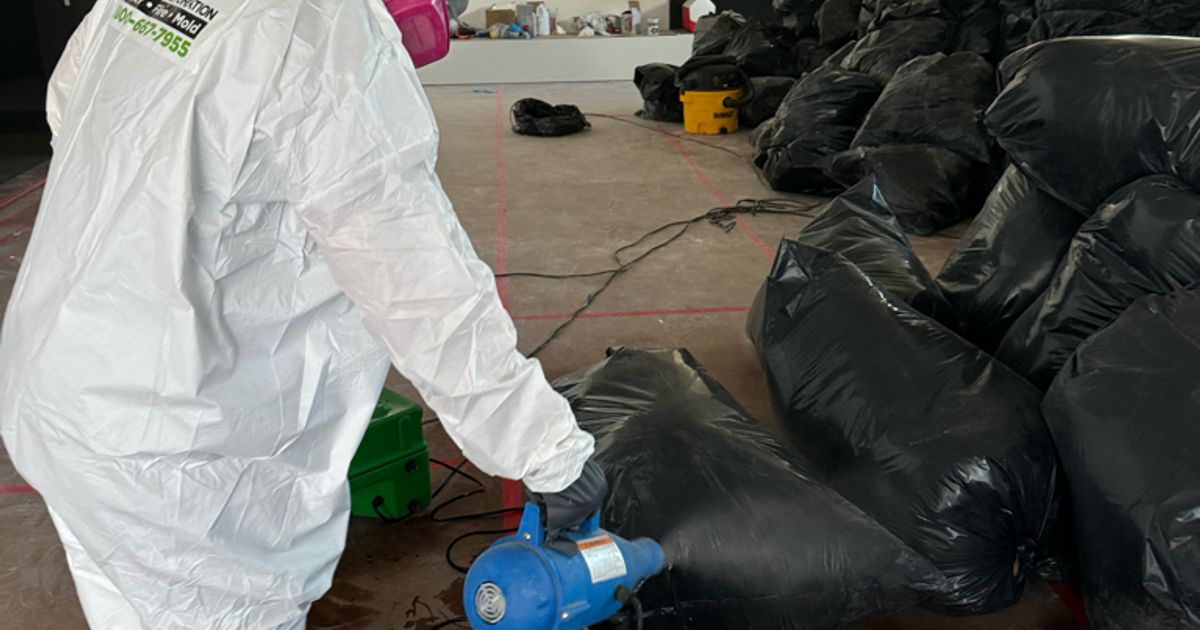
Essential mold emergency steps for Fillmore, CA homeowners. Learn immediate actions, health precautions, and prevention tips for Santa Clara River Valley homes.
Discovering mold in your Fillmore home can be alarming, especially given the unique challenges our Santa Clara River Valley location presents. The combination of seasonal flooding risks from the Santa Clara River, aging plumbing systems in many of our older homes, and the extreme heat that stresses HVAC systems creates conditions where mold can develop rapidly. Understanding how to respond immediately protects both your family's health and your property investment in our tight-knit agricultural community.
Fillmore's humid conditions during certain seasons, particularly after heavy rains that sometimes cause river flooding, make swift action essential when mold appears. Professional mold remediation in Fillmore becomes necessary when contamination exceeds what homeowners can safely handle, but your immediate response in those first few hours makes a significant difference in preventing widespread damage throughout your Heritage Valley or Downtown Fillmore residence.
Immediate Safety Assessment and Documentation
The moment you spot mold growth in your Fillmore home, resist the urge to touch or disturb the affected area. Mold spores become airborne easily, and disturbing colonies can spread contamination throughout your house via your HVAC system. This concern is particularly relevant for homes near the Fillmore Fish Hatchery area or along the river corridor, where moisture levels naturally run higher.
Take photographs of the affected areas from multiple angles before doing anything else. Document the extent of visible growth, any water damage signs, and environmental conditions like humidity levels or recent plumbing issues. Many Fillmore homes built decades ago have galvanized pipes that can develop leaks behind walls, creating hidden moisture problems that fuel mold growth. Your documentation helps professionals assess the situation and insurance companies process claims if coverage applies.
Check for obvious moisture sources immediately. In El Dorado Mobile Home Park and other areas with older infrastructure, common culprits include leaking pipes under sinks, around water heaters, or behind washing machines. During Fillmore's hot summer months when air conditioning units work overtime, condensation problems around HVAC components frequently create mold-friendly environments.
Health Precautions and When to Evacuate
Mold exposure affects people differently, but certain situations in Fillmore homes warrant immediate evacuation. If anyone in your household experiences sudden respiratory symptoms, severe headaches, or allergic reactions after discovering mold, leave the house immediately and seek medical attention. This is especially important for residents with existing respiratory conditions, as our valley's seasonal air quality challenges can compound mold-related health effects.
Evacuate immediately if mold covers more than 10 square feet of surface area, appears black or dark green, or produces a strong musty odor throughout your home. Large infestations often indicate extensive hidden growth behind walls or in crawl spaces, common in Heritage Valley homes where original construction may lack proper vapor barriers.
For smaller discoveries, limit exposure by keeping children, elderly family members, and pets away from affected areas. Close doors to contaminated rooms and avoid using fans or your central air system, which can distribute spores throughout your home. If you must enter affected areas, wear an N95 mask at minimum, though P100 respirators provide better protection for Fillmore homeowners dealing with significant contamination.
Containment and Prevention Measures
Create a containment barrier around affected areas using plastic sheeting and duct tape. This prevents spores from spreading to clean areas of your home while you wait for professional assessment. Pay special attention to HVAC return vents near contaminated areas, as our valley homes often have central systems that can quickly distribute contaminants throughout the entire house.
Address moisture sources immediately to prevent further mold growth. Turn off water supplies to leaking fixtures, use dehumidifiers to reduce ambient humidity below 60%, and improve ventilation in affected areas by opening windows if outdoor air quality permits. During wildfire season, when smoke affects our hillside communities, balance the need for ventilation against air quality concerns by monitoring local conditions.
Remove porous materials that show mold contamination, including drywall, insulation, carpeting, and fabric items. Double-bag these materials in heavy plastic before disposal to prevent spreading spores during removal. Many Fillmore residents near agricultural areas find that dust and organic matter from farming operations can provide additional food sources for mold when moisture problems occur.
Professional Assessment and Next Steps
Contact mold remediation professionals immediately for contamination exceeding 10 square feet or when structural materials are affected. Go Green Restoration Inc has extensive experience with Fillmore's unique environmental challenges, from flood-related moisture problems along the Santa Clara River to HVAC issues caused by our extreme valley heat.
While waiting for professional assessment, maintain detailed records of your response efforts, including photos of containment measures, receipts for materials purchased, and notes about family health symptoms. Insurance coverage for mold varies significantly, and thorough documentation supports any claims you might file.
Monitor weather conditions carefully, as Fillmore's location makes us vulnerable to sudden moisture influxes during storm events. Heavy rains can exacerbate existing mold problems or create new ones, particularly in homes near the Fillmore & Western Railway corridor where drainage can be challenging.
## Related Articles
Learn more about restoration services in Fillmore:
Implement moisture control measures throughout your Fillmore home to prevent future mold emergencies. Install humidity monitors in basements, crawl spaces, and other vulnerable areas, maintaining levels below 50% when possible. This is particularly important during our humid summer months when morning marine layer effects combine with valley heat to create challenging conditions.
Schedule regular HVAC maintenance to ensure proper system function during Fillmore's temperature extremes. Clean or replace filters monthly during heavy-use periods, and have ductwork inspected annually for leaks or condensation problems. Many Heritage Valley homes benefit from upgraded insulation and vapor barriers that address original construction limitations.
Develop an emergency response plan that includes contact information for restoration professionals, your insurance agent, and temporary housing options. Keep emergency supplies including plastic sheeting, duct tape, and respiratory protection readily available, as mold problems often develop quickly after water intrusion events in our flood-prone valley location.
Need Professional Help?
Go Green Restoration provides 24/7 emergency services throughout Los Angeles and Ventura Counties. Licensed (#1005708), bonded, and insured.