Mold Emergency Response Guide for Maywood Homeowners
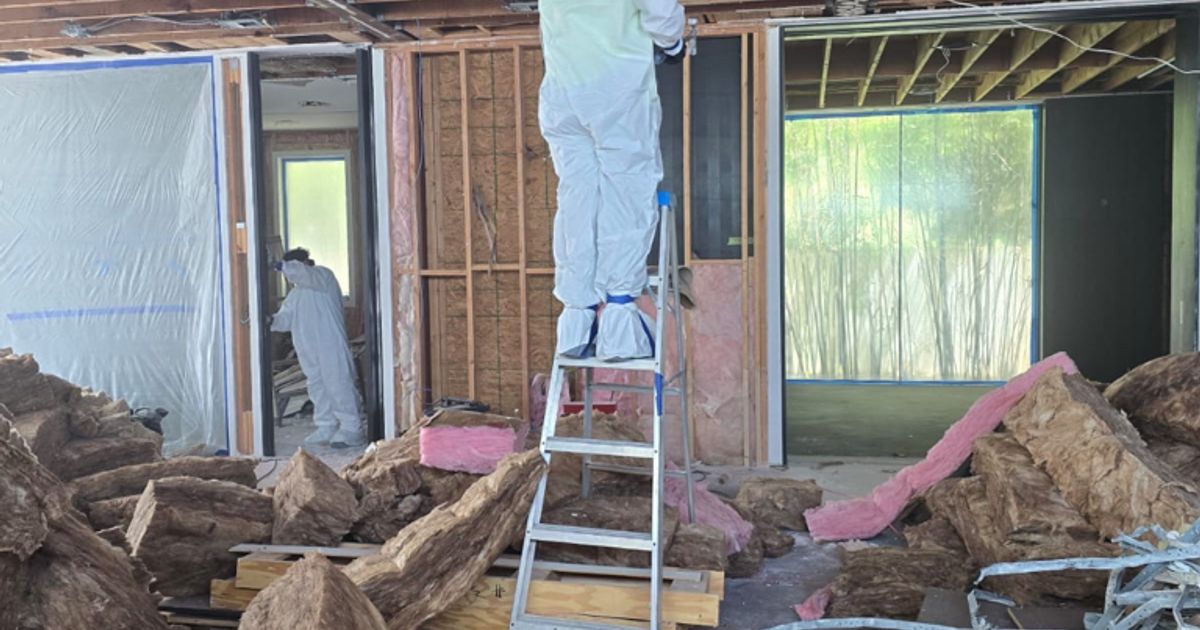
Essential steps for Maywood homeowners facing mold emergencies. Learn immediate actions, health precautions, and prevention tips for this dense urban area.
Discovering mold in your Maywood home can be alarming, especially given the city's aging housing stock and extreme population density of over 23,000 people per square mile. The older buildings throughout neighborhoods like Maywood Park Area and the Slauson Corridor often have plumbing systems well past their expected lifespan, creating conditions where water damage and subsequent mold growth can spread rapidly between adjacent properties.
Maywood's position near the Los Angeles River adds another layer of complexity, as flood events during major storms can affect multiple homes simultaneously in this compact 1.2-square-mile city. Understanding how to respond immediately when you spot mold growth can protect your family's health and prevent the problem from escalating in your densely packed neighborhood. Professional mold remediation in Maywood becomes essential when dealing with extensive contamination, but your initial response can make a significant difference in the outcome.
Immediate Safety Assessment and Health Precautions
The moment you discover mold in your Maywood home, stop and assess the situation before taking any action. Given the proximity of homes in areas like the Slauson Corridor, airborne mold spores can easily travel between properties through shared ventilation systems or open windows. Do not touch or disturb the mold growth, as this releases spores into the air that can affect not only your family but potentially your neighbors in adjacent units.
Pay attention to immediate health symptoms among household members, particularly respiratory issues, eye irritation, or skin reactions. Maywood's dense urban environment means many residents already deal with air quality challenges, making mold exposure potentially more problematic for those with existing respiratory conditions. If anyone in your home experiences severe breathing difficulties, persistent coughing, or allergic reactions after mold discovery, seek medical attention immediately.
Document the mold growth with photographs from a safe distance, but avoid using flash photography in enclosed spaces as this can stir up spores. Note the approximate size of the affected area and any visible water damage or moisture sources. This documentation will be valuable for insurance claims and professional remediation services, especially important given the age of Maywood's housing infrastructure.
When to Evacuate Your Maywood Home
Evacuation becomes necessary when mold contamination exceeds 10 square feet, when you detect strong musty odors throughout multiple rooms, or when vulnerable family members show severe health reactions. In Maywood's closely packed housing, where many homes share walls or have minimal yard space, contamination can spread more rapidly than in less dense areas.
Consider temporary evacuation if the mold appears in your HVAC system, as this can distribute spores throughout your entire home and potentially affect neighboring properties. The aging ductwork common in Maywood's older buildings can harbor moisture and facilitate rapid mold spread once contamination begins.
If you discover mold following a flood event near Maywood Riverfront Park or after significant plumbing failures common in the area's aging infrastructure, evacuation may be necessary while professional assessment occurs. The combination of Maywood's small size and high population density means that major water events often affect multiple properties, potentially overwhelming local resources and extending remediation timelines.
Containing the Problem While Awaiting Professional Help
Isolation is your primary goal when waiting for professional remediation services in Maywood. Close off the affected area using plastic sheeting and duct tape, sealing doorways and any openings that could allow spores to spread to clean areas of your home. Given the proximity of neighboring homes, also ensure windows in the contaminated area remain closed to prevent spores from affecting adjacent properties.
Turn off any HVAC systems that service the contaminated area, as Maywood's older homes often have interconnected ventilation that can rapidly distribute mold spores throughout the structure. Use fans to create negative air pressure by pointing them out of windows in the affected room, but only if this doesn't blow air toward neighboring homes in your densely packed neighborhood.
Avoid using bleach or other harsh chemicals for cleanup attempts, as these can create dangerous fumes in enclosed spaces and may actually feed certain types of mold. Instead, focus on eliminating moisture sources by fixing any visible leaks and using dehumidifiers if safe to operate in the contained area. The high humidity common in Maywood's urban environment, combined with aging plumbing systems, often creates ideal conditions for continued mold growth.
Protecting Your Family and Property
Create a safe pathway through your home that avoids the contaminated area, especially important in Maywood's typically smaller floor plans where rooms are closely connected. Remove any personal items from the affected area only if you can do so without disturbing the mold growth, and place these items in sealed plastic bags until they can be properly assessed.
Monitor family members for ongoing health symptoms, keeping a written record of any respiratory issues, headaches, or allergic reactions. This information helps medical professionals and remediation experts understand the extent of exposure, particularly relevant given Maywood's dense living conditions where multiple family members may be affected simultaneously.
Contact your insurance company promptly to report the mold discovery, as coverage often depends on the underlying cause and timing of the claim. Given the prevalence of aging infrastructure in Maywood, insurance adjusters familiar with the area understand the common causes of water damage that lead to mold growth in local homes.
Working with Professional Remediation Services
Choose remediation professionals experienced with Maywood's unique challenges, including the city's aging housing stock and dense urban environment. Go Green Restoration Inc understands the specific issues facing homeowners in this compact Los Angeles County community, from aging plumbing systems to the rapid spread potential in closely spaced properties.
Professional remediation becomes essential when dealing with contamination in shared building systems, extensive growth covering large areas, or situations where the mold source involves structural issues common in Maywood's older homes. Experienced professionals can also coordinate with neighboring property owners if contamination affects shared walls or systems.
Ensure any remediation company you choose is licensed in California and familiar with local building codes and regulations specific to Los Angeles County. The unique density and infrastructure challenges in Maywood require specialized knowledge to address mold problems effectively while protecting both your property and surrounding homes in this tightly knit community.
For more information, visit our mold resources.
Need Professional Help?
Go Green Restoration provides 24/7 emergency services throughout Los Angeles and Ventura Counties. Licensed (#1005708), bonded, and insured.