Mold Emergency Guide: What Monrovia Homeowners Must Do When They Find Mold
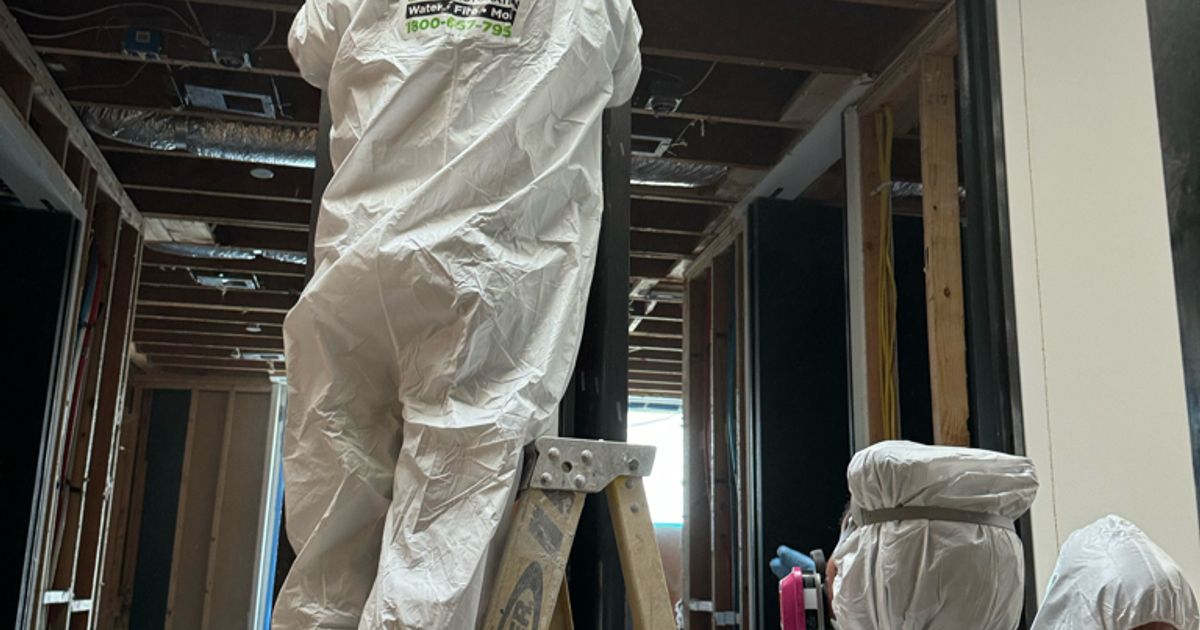
Essential steps for Monrovia homeowners who discover mold. Learn immediate actions, health precautions, and containment until professional help arrives.
Discovering mold in your Monrovia home can be alarming, especially given the unique challenges that foothill properties face with moisture intrusion from mountain runoff and aging infrastructure. Whether you're in a historic Old Town Monrovia Victorian or a newer home in Canyon Park, knowing how to respond immediately can protect your family's health and prevent the problem from spreading throughout your property.
Monrovia's location at the base of the San Gabriel Mountains creates specific mold risks that homeowners need to understand. Storm water from the mountains can overwhelm older drainage systems, particularly in established neighborhoods like Hillcrest where homes were built before modern moisture management standards. When you find mold, your first priority is containing the situation while arranging for professional mold remediation in Monrovia services.
The mature tree canopy throughout Monrovia, while beautiful, contributes to sewer line root intrusion that can create hidden moisture problems leading to mold growth. Properties near Monrovia Canyon Park are particularly susceptible to moisture issues from both natural runoff and compromised underground utilities.
Immediate Safety Assessment and Health Precautions
Before taking any action, assess the size and location of the mold growth in your Monrovia home. Small areas (less than 10 square feet) in non-critical areas may be manageable with proper precautions, but larger infestations or mold near HVAC systems require immediate professional intervention. Historic homes in Old Town Monrovia present additional challenges, as disturbing mold in older structures can release more spores due to the porous nature of vintage building materials.
Protect yourself with proper equipment before investigating further. Wear an N95 respirator mask, rubber gloves, and eye protection. Residents with asthma, allergies, or compromised immune systems should avoid the affected area entirely. Monrovia's dry climate can make airborne spores particularly irritating to respiratory systems, so even healthy individuals should limit exposure time.
Document the mold growth with photographs for insurance purposes and professional assessment. Note any musty odors, visible discoloration, or signs of water damage. In Monrovia's foothill properties, pay special attention to basements, crawl spaces, and areas where mountain runoff might have affected your foundation.
When to Evacuate Your Monrovia Home
Certain mold situations require immediate evacuation, particularly in Monrovia's older housing stock where ventilation systems may not meet modern standards. Leave your home immediately if mold covers more than 100 square feet, if you discover black mold (Stachybotrys), or if anyone in your household experiences severe respiratory symptoms, persistent headaches, or neurological effects.
Homes in Canyon Park and other areas prone to mudslide damage may have hidden mold growth behind walls or under flooring. If you suspect extensive hidden mold following recent storm damage or plumbing failures, evacuation may be necessary until professional assessment confirms the property is safe.
Historic properties in Old Town Monrovia require special consideration for evacuation decisions. These homes often have unique ventilation patterns and building materials that can concentrate mold spores. If you're experiencing symptoms and live in a pre-1950s home, err on the side of caution and seek temporary housing while professionals evaluate the situation.
Containing Mold Spread While Awaiting Professional Help
Proper containment is essential in Monrovia's dry climate, where disturbed mold spores can remain airborne longer than in more humid environments. Turn off your HVAC system immediately to prevent spores from circulating throughout your home. This is particularly important in Hillcrest and other established neighborhoods where homes may have older ductwork that could distribute contamination.
Seal off the affected area using plastic sheeting and duct tape. Create an airlock entry if possible, and maintain negative pressure in the contaminated space using fans that exhaust air outside. Monrovia's foothill winds can help with natural ventilation, but avoid opening windows in the affected room as this can spread spores to other areas.
Avoid disturbing the mold through cleaning attempts or moving contaminated materials. While waiting for professional remediation, maintain low humidity levels throughout your home using dehumidifiers. This is especially important for properties near Monrovia Canyon Park, where natural moisture from the mountains can exacerbate mold growth.
Protecting Your Family During the Emergency
Keep family members, especially children and elderly residents, away from the affected area. Monrovia's many families with young children should be particularly cautious, as developing respiratory systems are more vulnerable to mold exposure. Consider staying with relatives in nearby Arcadia or Sierra Madre if the contamination is extensive.
Wash any clothing or fabrics that may have been exposed to mold spores using hot water and detergent. Items that cannot be effectively cleaned should be sealed in plastic bags and disposed of properly. This is especially important for residents of historic Old Town Monrovia homes, where vintage textiles and furnishings may harbor spores more readily.
Monitor family members for symptoms including coughing, sneezing, throat irritation, skin rashes, or eye irritation. Keep a log of symptoms and their severity to share with both medical professionals and mold remediation specialists. Go Green Restoration Inc, serving Los Angeles County including Monrovia, emphasizes that early professional intervention often prevents minor mold problems from becoming major health hazards and structural issues.
Preparing for Professional Remediation
Document all water sources that may have contributed to the mold growth, including recent plumbing leaks, roof damage from mountain storms, or foundation moisture issues common in Monrovia's foothill properties. This information helps remediation professionals develop an effective treatment plan and identify underlying causes.
Contact your insurance company to report the mold discovery and understand your coverage options. Many Monrovia homeowners discover that policies may not cover mold damage resulting from long-term maintenance issues, but coverage often applies when mold results from covered perils like storm damage or sudden plumbing failures.
Prepare for the remediation process by identifying safe areas where your family can stay if needed and securing important documents and valuables from potentially affected areas. Professional mold remediation in Monrovia's unique foothill environment requires specialized knowledge of local moisture patterns and building characteristics to ensure complete removal and prevent recurrence.
For more information, visit our mold resources.
Need Professional Help?
Go Green Restoration provides 24/7 emergency services throughout Los Angeles and Ventura Counties. Licensed (#1005708), bonded, and insured.