Mold Emergency Guide for Monterey Park Homeowners
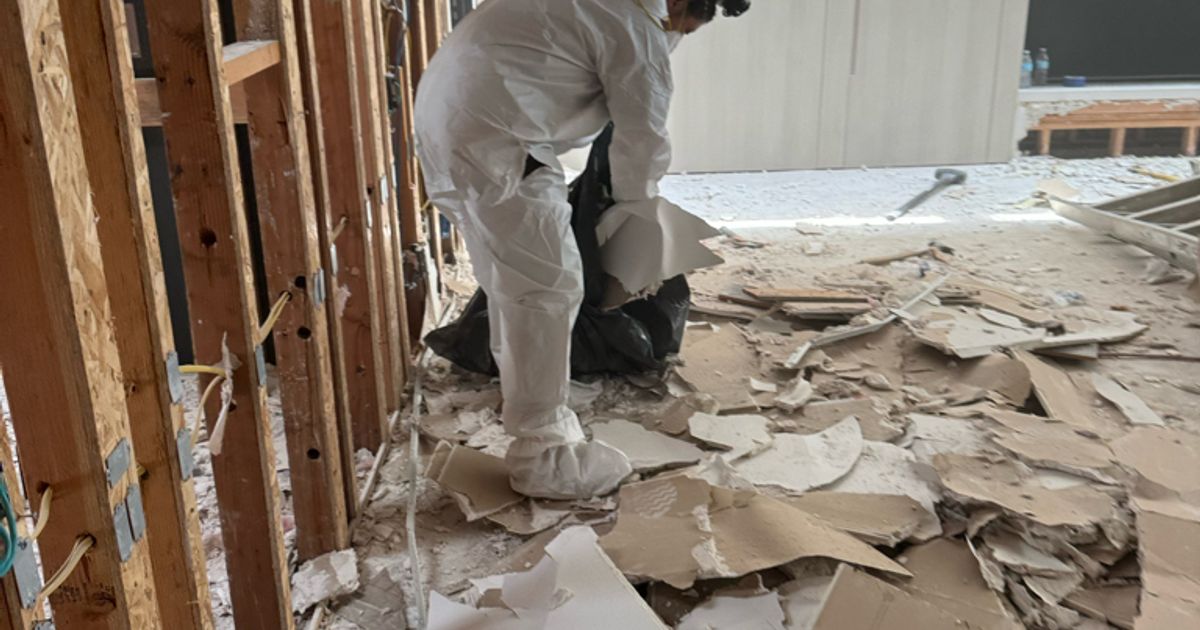
Essential steps for Monterey Park homeowners when discovering mold. Learn immediate safety measures, containment tips, and when to evacuate.
Discovering mold in your Monterey Park home can be alarming, especially given the city's unique challenges with hillside drainage and aging infrastructure. Many properties in neighborhoods like Monterey Highlands and South Monterey Park face increased water intrusion risks due to the sloped terrain, while homes built during the 1950s and 60s construction boom often have plumbing systems that contribute to moisture problems.
When you first spot mold growth, your immediate response can significantly impact both your family's health and the extent of damage to your property. The San Gabriel Valley's hot summers and HVAC condensation issues make Monterey Park homes particularly susceptible to mold growth, requiring homeowners to act quickly and decisively. Professional mold remediation in Monterey Park becomes essential when growth exceeds manageable levels or poses health risks.
The densely packed residential areas throughout ZIP codes 91754, 91755, and 91756 mean that mold problems can quickly spread between units in multi-family buildings, making swift action even more important for protecting both your property and neighboring homes.
Immediate Safety Assessment and Health Precautions
Before taking any action, evaluate the size and location of the mold growth in your Monterey Park home. Small patches under 10 square feet on non-porous surfaces may be manageable with proper precautions, but larger areas or growth on drywall, insulation, or carpeting require professional intervention. The hillside properties in Monterey Highlands are particularly prone to hidden mold behind walls due to water seepage from upslope drainage.
Protect yourself immediately by avoiding direct contact with moldy materials. Never smell or touch mold directly, as spores can trigger respiratory issues, especially problematic in the San Gabriel Valley's already challenging air quality conditions. If anyone in your household has asthma, allergies, or compromised immune systems, they should leave the affected area immediately.
Wear protective equipment including N95 masks, gloves, and eye protection before approaching moldy areas. Many older homes in South Monterey Park and Brightwood have poor ventilation systems that can trap mold spores, making personal protection even more important. Open windows and use fans to increase air circulation, but avoid spreading spores to unaffected areas.
When to Evacuate Your Monterey Park Home
Certain mold situations in Monterey Park homes require immediate evacuation, particularly given the city's aging building stock and drainage challenges. Leave your home immediately if mold covers more than 100 square feet, appears throughout multiple rooms, or if you detect strong musty odors that indicate extensive hidden growth.
Properties near Barnes Park or other low-lying areas may experience flooding that leads to dangerous mold levels requiring evacuation. Similarly, homes with compromised structural elements due to hillside settling or aging foundations should be evacuated when mold appears, as the growth may indicate serious water damage that could affect structural integrity.
Evacuate if anyone experiences severe respiratory symptoms, persistent headaches, or other health issues that worsen when inside the home. The dense housing patterns throughout Monterey Park mean that severe mold problems in one unit can affect neighboring properties, so consider temporary relocation to prevent health impacts while professionals address the issue.
Contact local emergency services if mold growth appears after flooding or major water damage, as these situations often involve contaminated water that creates additional health hazards beyond typical mold exposure.
Containment Strategies While Awaiting Professional Help
Preventing mold spread throughout your Monterey Park home requires immediate containment measures, especially important given the city's compact housing arrangements. Close all doors leading to affected areas and seal gaps around door frames using plastic sheeting and duct tape. This prevents spores from traveling through your home's ventilation system or into adjacent units in multi-family buildings.
Turn off HVAC systems serving the affected area, as these can distribute spores throughout your property. Many homes in the 91754 and 91755 ZIP codes have older ductwork that can harbor and spread mold spores if the system continues operating. Use fans positioned to blow air out of windows in the affected room while keeping doors to other areas sealed.
Avoid disturbing moldy materials through cleaning attempts or moving contaminated items. The hillside terrain around Monterey Highlands can create ongoing moisture issues that make DIY cleaning ineffective and potentially dangerous. Instead, photograph the affected areas for insurance documentation while maintaining safe distances.
Control humidity levels throughout your home using dehumidifiers, particularly important during hot San Gabriel Valley summers when HVAC systems create condensation problems. Many properties in Brightwood and surrounding areas lack adequate moisture control, making professional-grade dehumidification equipment necessary for preventing further growth.
Emergency Documentation and Professional Coordination
Document the mold discovery thoroughly for insurance claims and professional remediation planning. Take photographs from multiple angles showing the extent and location of growth, paying special attention to areas where Monterey Park's drainage issues may have contributed to water intrusion. Include pictures of any visible water damage, staining, or structural issues that may have caused the mold problem.
Contact your insurance company immediately to report the discovery and understand your coverage options. Many policies covering Monterey Park properties have specific requirements for mold claims, particularly those related to water damage from the city's challenging hillside drainage conditions.
When selecting professional remediation services, choose companies familiar with Monterey Park's specific challenges, including hillside water intrusion, aging plumbing infrastructure, and the area's housing density issues. Go Green Restoration Inc understands these local conditions and can provide targeted solutions for properties throughout Los Angeles County.
Schedule professional assessment as quickly as possible, as delays can allow mold to spread throughout your property or into neighboring units. Provide professionals with detailed information about your home's age, recent water issues, and any ongoing moisture problems common to Monterey Park properties.
Prevention During Professional Remediation
While waiting for professional remediation, maintain vigilant prevention measures throughout your Monterey Park home. Monitor unaffected areas for new growth, particularly in basements, crawl spaces, and areas near exterior walls where hillside drainage might create ongoing moisture issues.
Keep detailed records of any health symptoms experienced by household members, as this information helps professionals assess the severity of contamination and plan appropriate remediation strategies. The San Gabriel Valley's air quality challenges can compound mold-related health issues, making professional medical evaluation advisable for sensitive individuals.
Avoid using home air purifiers or ozone generators, as these can spread spores or create additional health hazards. Instead, focus on maintaining proper ventilation and humidity control while professionals develop a complete remediation plan tailored to your property's specific conditions and Monterey Park's environmental challenges.
For more information, visit our mold resources.
Need Professional Help?
Go Green Restoration provides 24/7 emergency services throughout Los Angeles and Ventura Counties. Licensed (#1005708), bonded, and insured.