Mold Emergency Guide: What West Covina Homeowners Must Do When They Find Mold
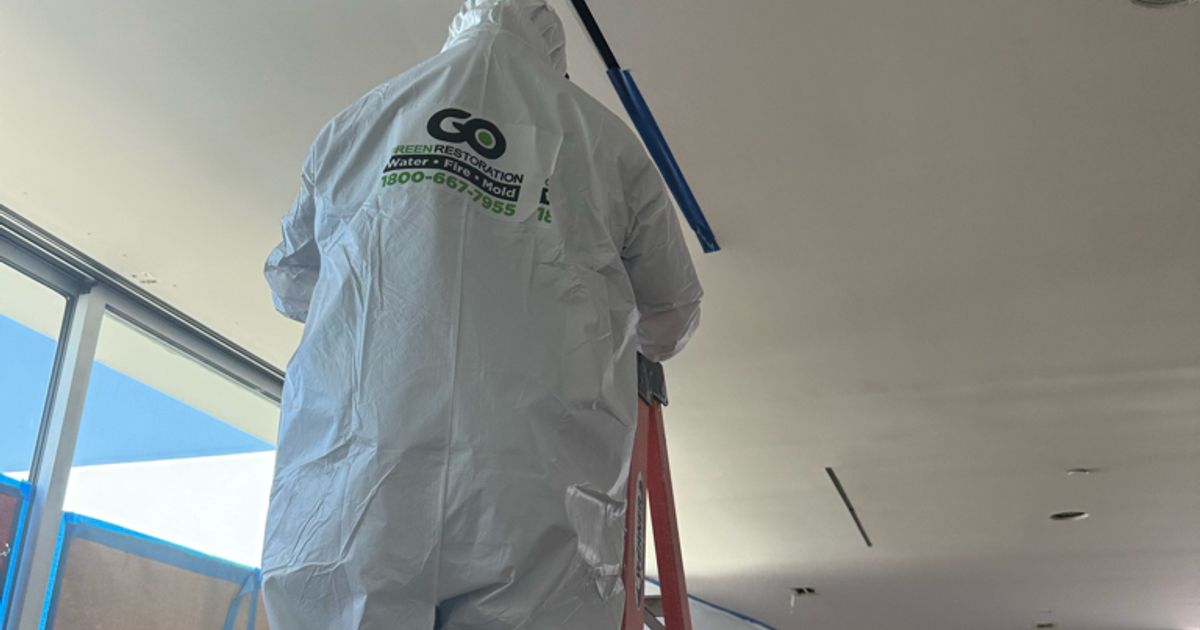
Essential emergency steps for West Covina homeowners who discover mold. Learn immediate actions, safety precautions, and prevention tips for San Gabriel Valley homes.
Finding mold in your West Covina home can feel overwhelming, especially in neighborhoods like South Hills where drainage issues create perfect conditions for fungal growth. The San Gabriel Valley's extreme summer heat puts enormous strain on HVAC systems, creating condensation problems that many homeowners in the 91790-91793 ZIP codes face annually. Your immediate response to mold discovery can make the difference between a manageable remediation project and extensive property damage.
West Covina's inventory of 1960s-70s homes presents unique challenges when mold appears. These older properties often have aging plumbing systems and roofing materials that create hidden moisture problems. Professional mold remediation in West Covina becomes necessary when homeowners discover extensive growth, but your first actions determine how quickly the situation can be resolved.
Immediate Safety Assessment and Documentation
Your first priority involves assessing the scope of mold growth in your West Covina property. Small patches under 10 square feet might appear manageable, but San Gabriel Valley homes often hide extensive growth behind walls and under flooring. Take photos of all visible mold before disturbing anything, as this documentation proves valuable for insurance claims and professional assessment.
Check surrounding areas thoroughly, paying special attention to spaces near your HVAC system, bathroom exhaust fans, and any areas where West Covina's mature tree roots might have damaged plumbing. Properties in the Eastland Center Area often experience foundation moisture issues that create mold growth patterns extending far beyond initial discovery points.
Never attempt to test mold yourself by touching or smelling affected areas. West Covina's older homes may contain multiple mold species, some producing mycotoxins that cause serious health reactions. Instead, note the color, texture, and location of growth while maintaining safe distance.
Health Precautions for West Covina Residents
Mold exposure affects residents differently, but West Covina's air quality conditions can amplify respiratory symptoms. Children, elderly residents, and anyone with asthma or compromised immune systems face higher risks and should leave affected areas immediately. The San Gabriel Valley's smog and particulate matter already stress respiratory systems, making mold exposure particularly dangerous for sensitive individuals.
Symptoms requiring immediate medical attention include persistent coughing, difficulty breathing, severe headaches, or skin irritation that worsens near moldy areas. West Covina residents with existing allergies often experience intensified reactions when mold spores combine with local pollen and air pollutants.
Create a temporary "clean zone" in an unaffected area of your home, preferably with separate ventilation from contaminated spaces. Many West Covina properties have compartmentalized HVAC systems that allow isolation of affected wings or floors, preventing spore circulation throughout the entire house.
When Evacuation Becomes Necessary
Severe mold situations require temporary relocation, particularly in West Covina's older homes where extensive growth often hides behind walls. Evacuate immediately if mold covers more than 100 square feet, appears in multiple rooms, or if anyone experiences severe respiratory symptoms. The city's aging infrastructure in neighborhoods like West Covina Parkway often means water damage extends beyond visible areas.
Properties with sewage-related mold growth require immediate evacuation due to dangerous bacterial contamination. West Covina's mature tree population frequently causes sewer line damage, creating black water situations that produce toxic mold varieties requiring professional hazmat procedures.
Consider temporary housing if remediation will take longer than a few days. Many West Covina residents stay with family in nearby Covina or Baldwin Park while their homes undergo treatment. Document all evacuation expenses, as insurance policies sometimes cover temporary living costs during mold remediation.
Preventing Mold Spread While Awaiting Professional Help
Containment becomes your primary goal once you've assessed the situation and ensured everyone's safety. Close doors to affected areas and turn off HVAC systems that circulate air through contaminated spaces. West Covina's extreme summer temperatures make this challenging, but running air conditioning through moldy areas spreads spores throughout your entire home.
Seal air vents in affected rooms using plastic sheeting and duct tape. Pay particular attention to return air vents, which can pull spores into your HVAC system and distribute them to every room. South Hills properties often have complex ductwork that requires professional sealing to prevent cross-contamination.
Avoid cleaning visible mold yourself, as disturbing growth releases thousands of spores into the air. West Covina's dry climate might seem like it would help, but disturbed mold spores can remain airborne for hours, settling on furniture, clothing, and personal belongings throughout your home.
Protecting Your Property and Belongings
Remove uncontaminated items from affected areas before spores spread further. Clothing, documents, and electronics can absorb mold spores quickly in West Covina's fluctuating humidity conditions. Store rescued items in sealed plastic bags until professional cleaning determines their safety.
Document all damaged items with photos and detailed lists for insurance purposes. West Covina homeowners often discover that mold damage extends to HVAC systems, drywall, and flooring materials that aren't immediately visible. Professional assessment reveals the full scope of necessary repairs and replacements.
Contact your insurance company immediately to report the discovery and begin the claims process. Many West Covina residents find that prompt reporting and professional documentation significantly improve their coverage outcomes. Go Green Restoration Inc works directly with insurance adjusters throughout Los Angeles County, helping homeowners navigate the claims process while ensuring thorough remediation.
Turn off water sources feeding the moisture problem, whether from leaking pipes, roof damage, or foundation issues common in West Covina's older neighborhoods. Quick action prevents additional mold growth and demonstrates to insurance companies that you've taken reasonable steps to minimize damage.
For more information, visit our mold resources.
Need Professional Help?
Go Green Restoration provides 24/7 emergency services throughout Los Angeles and Ventura Counties. Licensed (#1005708), bonded, and insured.