Health Risks of Mold Exposure in Hawthorne Homes: Symptoms and When to Seek Help
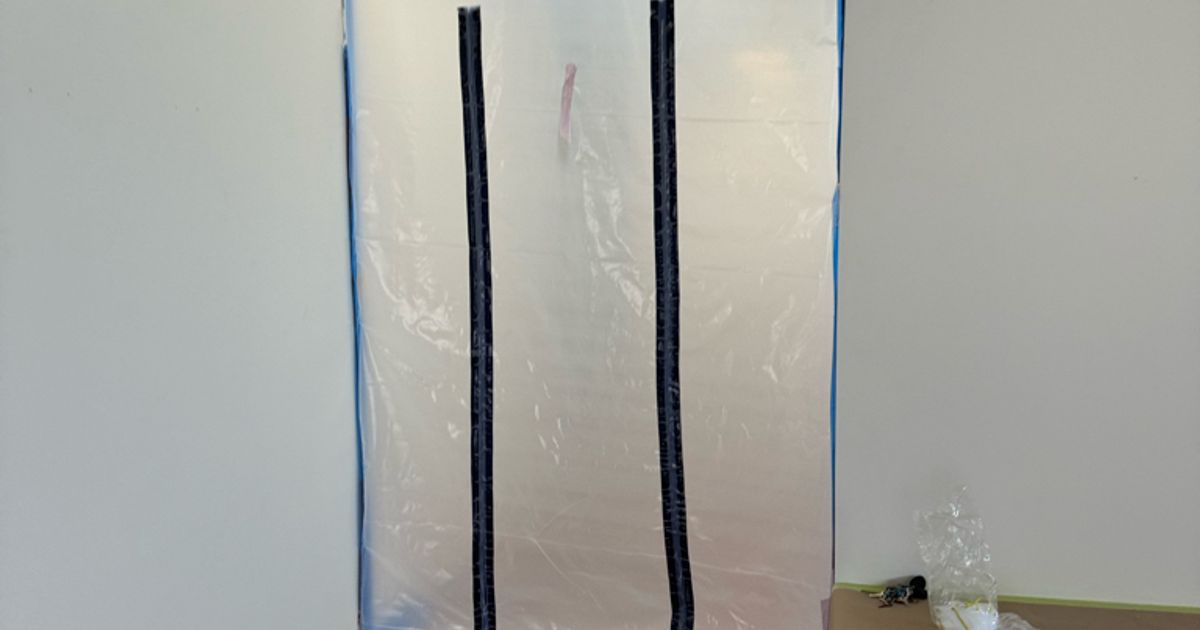
Learn about mold health risks in Hawthorne homes, from symptoms to vulnerable populations. Know when to call professionals for safe remediation.
Hawthorne homeowners face unique mold challenges due to the city's aging housing stock and coastal climate conditions. The post-war era homes throughout neighborhoods like Holly Glen and North Hawthorne often contain outdated ventilation systems that struggle with the marine layer moisture drifting inland from Manhattan Beach. When these older buildings develop leaks in their aging plumbing or roofing systems, the combination of persistent humidity and poor air circulation creates ideal conditions for mold growth that can seriously impact your family's health.
The flat terrain characteristic of Hawthorne, particularly evident around the SpaceX Headquarters area and extending through Wiseburn, can lead to water pooling during Los Angeles County's rainy seasons. This standing water often finds its way into basements, crawl spaces, and wall cavities of homes in the 90250 and 90251 ZIP codes, where it feeds mold colonies that release harmful spores into your indoor air. Professional mold remediation in Hawthorne becomes necessary when these infestations threaten your family's wellbeing.
Common Health Symptoms from Mold Exposure
Hawthorne residents exposed to household mold typically experience respiratory symptoms that worsen during the city's humid months when marine layer conditions persist. Persistent coughing, wheezing, and throat irritation are often the first signs homeowners notice, particularly in older homes near the Hawthorne Memorial Center where ventilation systems haven't been updated since the 1950s and 60s. These symptoms can easily be mistaken for seasonal allergies common throughout Los Angeles County.
Skin reactions frequently develop in Hawthorne homes with hidden mold problems, especially in areas with poor air circulation like converted garages common in North Hawthorne neighborhoods. Residents may notice unexplained rashes, eczema flare-ups, or contact dermatitis that improves when they leave the house but returns upon coming home. Eye irritation, including redness, watering, and burning sensations, often accompanies these skin reactions and tends to be most severe in bedrooms and living areas where people spend extended periods.
Neurological symptoms can develop with prolonged mold exposure in Hawthorne's older housing stock. Headaches, difficulty concentrating, memory problems, and unexplained fatigue are particularly common in homes with hidden water damage behind walls or under flooring. These cognitive effects often worsen during periods when marine layer conditions trap moisture in poorly ventilated homes throughout the Holly Glen and Wiseburn areas.
Vulnerable Populations at Higher Risk
Infants and young children in Hawthorne face heightened risks from mold exposure due to their developing respiratory systems and lower body weight. Families living in the older apartment complexes and converted units common near El Segundo's border should be especially vigilant, as these buildings often have shared ventilation systems that can spread mold spores between units. Children may develop persistent coughs, frequent respiratory infections, or asthma-like symptoms that don't respond well to typical treatments.
Elderly residents throughout Hawthorne's established neighborhoods face increased vulnerability due to age-related immune system changes and potential underlying health conditions. The city's senior population, many of whom have lived in the same post-war homes for decades, may experience more severe respiratory symptoms and slower recovery times when exposed to mold. This is particularly concerning in homes near Inglewood's border where older housing stock often contains multiple moisture-related issues.
Individuals with compromised immune systems, including those undergoing cancer treatment at nearby medical facilities or managing autoimmune conditions, face serious risks from mold exposure in Hawthorne homes. Even small amounts of mold can trigger severe reactions in these vulnerable residents, making prompt identification and professional remediation essential for protecting their health.
Types of Mold and Associated Health Risks
Black mold (Stachybotrys chartarum) poses the most serious health risks in Hawthorne homes and thrives in the city's combination of aging building materials and coastal moisture. This toxic mold commonly develops in homes with chronic water damage, particularly in areas where Hawthorne's flat terrain allows water to pool around foundations. Black mold exposure can cause severe respiratory distress, neurological symptoms, and immune system suppression that requires immediate professional attention.
Aspergillus species are frequently found in Hawthorne's older homes with inadequate ventilation systems, particularly in areas near Lawndale and Gardena where marine layer conditions persist longest. This mold type can cause allergic reactions in sensitive individuals and potentially serious lung infections in people with compromised immune systems. Aspergillus often grows in air conditioning systems and ductwork common in the city's post-war housing developments.
Penicillium mold appears frequently in Hawthorne homes with water damage from the aging plumbing systems typical of the area's housing stock. While some Penicillium species produce beneficial antibiotics, household varieties can trigger severe allergic reactions and respiratory problems. This mold type often develops in wall cavities and under flooring where moisture accumulates undetected for extended periods.
When Mold Becomes a Health Emergency
Seek immediate medical attention if anyone in your Hawthorne home experiences severe breathing difficulties, chest pain, or persistent fever alongside known mold exposure. These symptoms can indicate serious respiratory infections or allergic reactions that require prompt treatment at facilities like the nearby Centinela Hospital or other Los Angeles County medical centers. Don't wait for symptoms to worsen, especially in children, elderly family members, or individuals with pre-existing health conditions.
Extensive mold growth covering more than 10 square feet in your Hawthorne home constitutes an emergency situation requiring professional intervention. Go Green Restoration, serving Los Angeles County communities including Hawthorne, can assess the situation and implement safe removal procedures that protect your family's health. Large mold colonies release massive amounts of spores that can overwhelm even healthy immune systems and cause severe reactions.
If multiple family members develop unexplained respiratory symptoms, skin reactions, or neurological issues simultaneously, evacuate the home and seek both medical attention and professional mold assessment. This pattern often indicates significant hidden mold growth that poses immediate health risks to all occupants.
## Related Articles
Learn more about restoration services in Hawthorne:
The Los Angeles County Department of Public Health operates several clinics serving Hawthorne residents who need medical evaluation for mold-related health issues. The department's environmental health division can also provide guidance on indoor air quality concerns and connect you with appropriate testing resources. Their offices in nearby Inglewood offer convenient access for residents throughout the 90250 and 90251 ZIP codes.
Centinela Hospital Medical Center, located adjacent to Hawthorne, provides emergency and specialized care for severe mold-related health reactions. Their pulmonology and allergy departments have experience treating patients from throughout the South Bay area who've experienced mold exposure in older housing stock. The hospital also offers referrals to specialists who understand the unique health challenges posed by Los Angeles County's aging residential buildings.
The South Bay Environmental Health Coalition provides educational resources and advocacy support for Hawthorne residents dealing with environmental health issues, including mold exposure. They offer workshops on identifying indoor air quality problems and can help connect families with appropriate medical and remediation resources throughout Los Angeles County.
Need Professional Help?
Go Green Restoration provides 24/7 emergency services throughout Los Angeles and Ventura Counties. Licensed (#1005708), bonded, and insured.