Health Risks of Mold Exposure in Lomita Homes: What South Bay Residents Need to Know
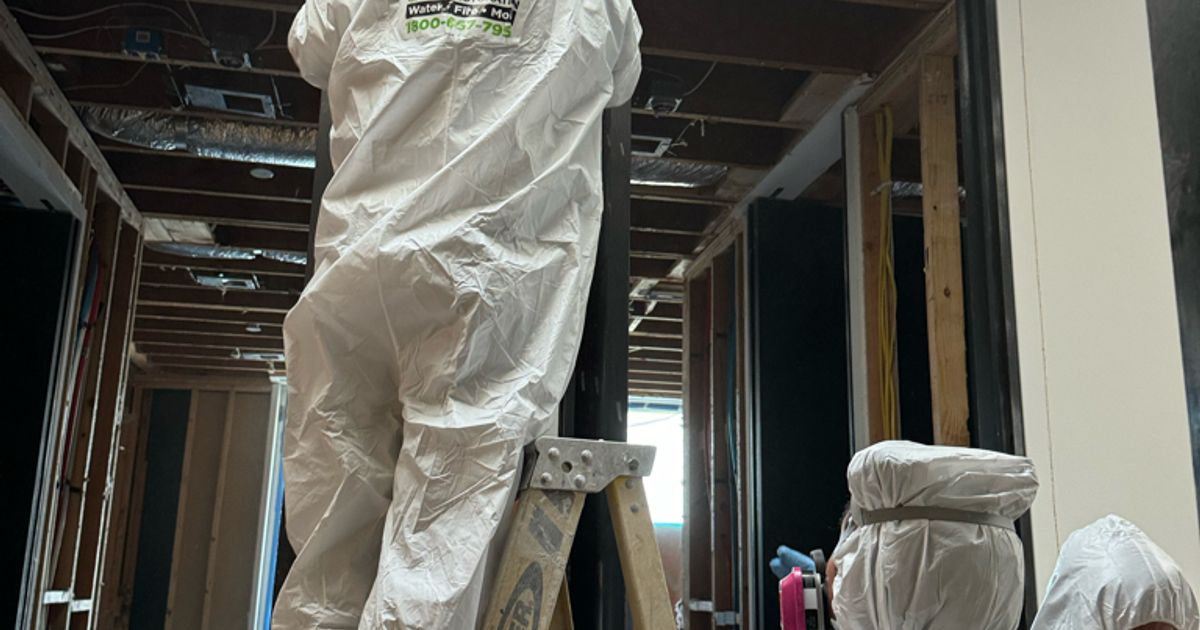
Learn about mold health risks in Lomita, CA homes. Discover symptoms, vulnerable populations, and when to seek professional mold remediation services.
Lomita homeowners face unique mold challenges due to the city's South Bay location, where marine moisture from the nearby Pacific Ocean creates persistent humidity levels that encourage mold growth. The combination of aging mid-20th century homes in neighborhoods like Lomita Park and Downtown Lomita, along with drainage issues from Palos Verdes Hills runoff, creates conditions where mold can thrive and pose serious health risks to residents.
Many Lomita properties built between the 1950s and 1970s feature older plumbing systems and roofing materials that are more susceptible to water intrusion, especially during Southern California's winter storm seasons. When moisture problems occur in these homes, professional mold remediation in Lomita becomes essential to protect family health, particularly given the city's humid coastal climate that can make mold problems persistent and widespread.
Understanding Mold Health Symptoms in Lomita's Climate
Lomita's marine layer and coastal humidity create year-round conditions where mold spores can become airborne and affect residents' health. Common symptoms of mold exposure include persistent coughing, sneezing, and throat irritation that many residents initially mistake for seasonal allergies common in the South Bay area. However, unlike typical Los Angeles County pollen allergies that peak during specific seasons, mold-related symptoms in Lomita homes often persist throughout the year due to consistent moisture levels.
Respiratory symptoms frequently worsen in Lomita homes with poor ventilation, particularly in areas like basements, bathrooms, and laundry rooms where humidity naturally accumulates. Residents may experience wheezing, chest tightness, and difficulty breathing, especially during sleep when spending extended time in mold-affected bedrooms. Skin irritation, including rashes and eczema flare-ups, is also common among Lomita residents exposed to household mold, particularly in children who spend more time playing on carpeted floors where mold spores can settle.
Headaches and fatigue represent another category of symptoms that Lomita homeowners often overlook as mold-related. The city's proximity to major freeways like the 405 and Pacific Coast Highway means residents may attribute these symptoms to air pollution or traffic stress, when household mold exposure could be the actual culprit affecting their daily well-being.
Vulnerable Populations in Lomita Communities
Children living in Lomita face heightened mold sensitivity due to their developing respiratory systems and tendency to spend more time indoors during the marine layer season that affects the South Bay region. Local elementary schools in the Lomita area have reported increased awareness of indoor air quality issues, making parents more conscious of similar problems that might exist in their own homes near Lomita Park or in the residential areas surrounding the Lomita Railroad Museum.
Elderly residents in Lomita's established neighborhoods are particularly vulnerable to mold-related health complications, especially those with existing respiratory conditions like asthma or COPD. The city's aging housing stock, combined with many seniors living on fixed incomes who may defer maintenance, creates situations where small moisture problems can develop into serious mold issues affecting health.
Pregnant women in Lomita should be especially cautious about mold exposure, as certain mold types can potentially affect fetal development. Given the city's family-oriented community structure, many households include pregnant residents who need to be aware of mold risks, particularly in older homes that may have hidden moisture issues behind walls or under flooring.
Individuals with compromised immune systems, including those undergoing medical treatment at nearby Torrance Memorial Medical Center or other South Bay healthcare facilities, face increased risks from mold exposure in their Lomita homes. These residents may experience more severe symptoms and longer recovery times when exposed to household mold.
Common Mold Types in South Bay Homes
Aspergillus represents the most frequently encountered mold type in Lomita homes, thriving in the city's consistently humid conditions created by marine moisture. This mold typically appears in air conditioning systems, behind wallpaper, and in areas with water damage, producing allergens and potentially toxic compounds that can cause respiratory problems for residents throughout neighborhoods like Downtown Lomita.
Stachybotrys, commonly known as black mold, poses particular risks in Lomita homes with chronic water problems, such as those affected by hillside drainage issues from the nearby Palos Verdes Hills. This mold type produces mycotoxins that can cause severe respiratory symptoms, neurological problems, and immune system suppression, making professional remediation essential when discovered in residential properties.
Penicillium mold frequently develops in Lomita homes with plumbing leaks or flood damage, appearing as blue-green patches on walls, carpets, and furnishings. While this mold type has beneficial uses in medicine, household exposure can trigger allergic reactions and asthma attacks, particularly problematic for residents already dealing with South Bay air quality challenges.
Cladosporium commonly affects Lomita homes during periods of high humidity, growing on fabrics, wood surfaces, and in HVAC systems. This mold can trigger hay fever-like symptoms and worsen existing respiratory conditions, particularly affecting residents who work from home and spend extended time in affected indoor environments.
Recognizing Mold Health Emergencies
Severe breathing difficulties, including shortness of breath or wheezing that doesn't respond to typical treatments, require immediate medical attention for Lomita residents. These symptoms may indicate serious mold exposure, particularly in homes near areas prone to water accumulation from Palos Verdes Hills runoff or properties with ongoing moisture issues.
Persistent fever accompanied by respiratory symptoms could signal a serious mold-related infection, especially in vulnerable individuals. Lomita residents experiencing these symptoms should seek immediate care at nearby emergency facilities in Torrance or Rolling Hills Estates while also addressing the underlying mold problem in their homes.
Sudden onset of severe allergic reactions, including difficulty swallowing, facial swelling, or widespread skin reactions, may indicate acute mold sensitivity requiring emergency intervention. Go Green Restoration has observed that some Lomita residents develop sudden sensitivities to mold types they previously tolerated, making rapid professional assessment important.
Neurological symptoms such as confusion, memory problems, or severe headaches, particularly when they improve away from home and worsen upon return, may indicate exposure to toxic mold varieties and warrant both medical evaluation and immediate home inspection.
Local Health Resources for Lomita Residents
The Los Angeles County Department of Public Health operates an environmental health division that provides guidance on mold-related health concerns for Lomita residents. Their South Bay office in Torrance offers consultations and can connect residents with appropriate medical resources when mold exposure is suspected.
Torrance Memorial Medical Center, serving the Lomita area, has pulmonology specialists experienced in treating mold-related respiratory conditions. The hospital's emergency department is equipped to handle severe mold exposure cases and can provide immediate treatment for residents experiencing serious symptoms.
Local urgent care facilities in nearby Carson and Rancho Palos Verdes offer accessible options for Lomita residents experiencing mold-related symptoms that require prompt but non-emergency medical attention. These facilities can provide initial assessment and refer patients to specialists when needed.
The South Bay area also hosts several allergy and immunology specialists who understand the unique environmental challenges facing Lomita residents, including the interplay between coastal humidity, aging housing stock, and mold-related health issues affecting local communities.
For more information, visit our mold resources.
Need Professional Help?
Go Green Restoration provides 24/7 emergency services throughout Los Angeles and Ventura Counties. Licensed (#1005708), bonded, and insured.