Health Risks of Mold Exposure in West Athens Homes: What Residents Need to Know
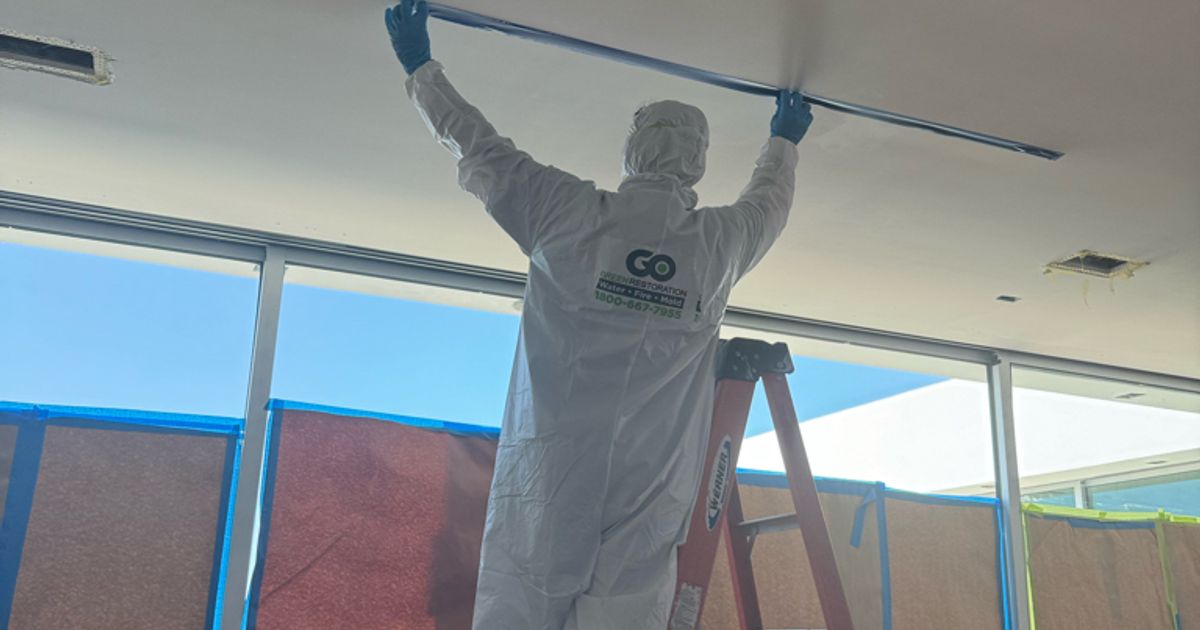
West Athens homeowners face mold health risks from aging buildings and drainage issues. Learn symptoms, vulnerable groups, and when to seek help.
West Athens residents living in the community's older housing stock face unique mold exposure risks due to aging infrastructure and local environmental factors. The neighborhood's flat terrain, combined with Los Angeles County's occasional heavy rains, creates drainage challenges that can lead to moisture accumulation in homes built decades ago. Many properties in the 90044 zip code area feature original plumbing and roofing systems that may develop leaks, creating ideal conditions for mold growth.
The health implications of mold exposure in West Athens homes extend far beyond minor allergic reactions. Professional mold remediation in West Athens becomes necessary when residents begin experiencing persistent symptoms or when visible mold colonies appear in living spaces. Understanding these health risks helps homeowners make informed decisions about their indoor air quality and family safety.
Recognizing Mold Exposure Symptoms in Your West Athens Home
Mold exposure symptoms often develop gradually, making them easy to dismiss as seasonal allergies or common colds. West Athens residents should pay attention to respiratory issues that worsen when spending time indoors, particularly in older homes near West Athens Park where moisture levels can be higher due to irrigation runoff. Common symptoms include persistent coughing, sneezing, throat irritation, and nasal congestion that doesn't respond to typical allergy medications.
Neurological symptoms present another concerning category of mold-related health effects. Residents may experience unexplained fatigue, difficulty concentrating, memory problems, or mood changes. These symptoms often intensify during Los Angeles County's humid months when mold spores become more active. Skin irritation, including rashes, hives, or eczema flare-ups, frequently occurs in West Athens homes with hidden mold problems behind walls or under flooring.
Eye irritation represents one of the most immediate indicators of mold exposure. Red, watery, or itchy eyes that improve when leaving the house suggest airborne mold spores in the living environment. West Athens homeowners should document these symptoms, noting when they occur and their severity, as this information proves valuable when consulting healthcare providers or mold remediation specialists.
Vulnerable Populations in West Athens Communities
Certain West Athens residents face elevated risks from mold exposure due to age, health conditions, or compromised immune systems. Infants and young children living in the community's family-oriented neighborhoods show heightened sensitivity to mold toxins, often developing respiratory infections or asthma symptoms more quickly than adults. Their developing immune systems cannot effectively filter airborne contaminants, making prompt mold remediation essential for households with children.
Elderly residents represent another high-risk group, particularly those with existing respiratory conditions common in urban Los Angeles County environments. Age-related immune system decline reduces the body's ability to combat mold-related infections. West Athens seniors living in older homes should monitor air quality carefully and seek medical attention for persistent respiratory symptoms.
Individuals with compromised immune systems, including cancer patients undergoing treatment, HIV-positive residents, or those taking immunosuppressive medications, face serious health risks from mold exposure. These West Athens community members may develop severe infections from mold types that pose minimal risks to healthy individuals. Pregnant women also require special consideration, as certain mold toxins can affect fetal development and maternal health.
Common Mold Types Found in West Athens Homes
Aspergillus represents the most frequently encountered mold species in West Athens residential properties, thriving in the area's dust-prone environment and older HVAC systems. This mold appears in various colors and can colonize fabric, paper, and organic materials throughout homes. Aspergillus exposure causes allergic reactions and respiratory problems, with some species producing aflatoxins that pose serious health risks over extended exposure periods.
Penicillium mold commonly develops in West Athens homes with water damage from aging plumbing systems or roof leaks. This blue-green mold spreads rapidly across damp surfaces, including wallpaper, carpeting, and insulation materials. While some Penicillium species contribute to antibiotic production, household varieties trigger allergic reactions and respiratory distress in sensitive individuals.
Stachybotrys, known as black mold, occasionally appears in West Athens properties with severe moisture problems or flooding history. This toxic mold produces mycotoxins that cause severe respiratory symptoms, neurological problems, and immune system suppression. Black mold typically grows on materials with high cellulose content, including drywall, paper, and wood products commonly found in the area's older construction.
When Mold Exposure Becomes a Health Emergency
Mold exposure transitions from a minor annoyance to a medical emergency when residents develop severe respiratory distress, high fever, or signs of systemic infection. West Athens homeowners should seek immediate medical attention if family members experience difficulty breathing, chest pain, or persistent coughing with blood. These symptoms may indicate serious lung infections requiring prompt treatment at nearby medical facilities.
Neurological symptoms warrant emergency evaluation when they appear suddenly or worsen rapidly. Severe headaches, confusion, memory loss, or coordination problems following mold exposure require immediate medical assessment. West Athens residents experiencing these symptoms should visit emergency departments in neighboring Inglewood or Hawthorne for evaluation.
Infants and elderly residents showing signs of respiratory distress need urgent medical care, as their compromised immune systems make them vulnerable to rapid deterioration. Go Green Restoration Inc frequently works with West Athens families during health emergencies, providing rapid mold assessment and containment while residents seek medical treatment.
Local Health Resources for West Athens Residents
West Athens community members can access mold-related health services through the Los Angeles County Department of Public Health, which maintains offices in nearby Compton and Gardena. These facilities provide information about mold exposure symptoms, testing recommendations, and referrals to appropriate medical specialists. The department also offers educational materials specific to older housing stock common in the 90044 zip code area.
Local healthcare providers familiar with environmental health issues serve West Athens residents through community health centers and private practices in surrounding areas. These medical professionals understand the connection between the neighborhood's aging infrastructure and mold-related health problems, providing targeted treatment approaches for affected families.
The American Lung Association's Los Angeles office offers resources specifically addressing indoor air quality concerns in older urban communities like West Athens. Their materials help residents identify mold problems early and understand when professional remediation becomes necessary for protecting family health. Emergency services remain available through local fire departments and paramedic units trained to respond to environmental health emergencies throughout Los Angeles County.
For more information, visit our mold resources.
Need Professional Help?
Go Green Restoration provides 24/7 emergency services throughout Los Angeles and Ventura Counties. Licensed (#1005708), bonded, and insured.