Mold Remediation Insurance Coverage Guide for Citrus Homeowners
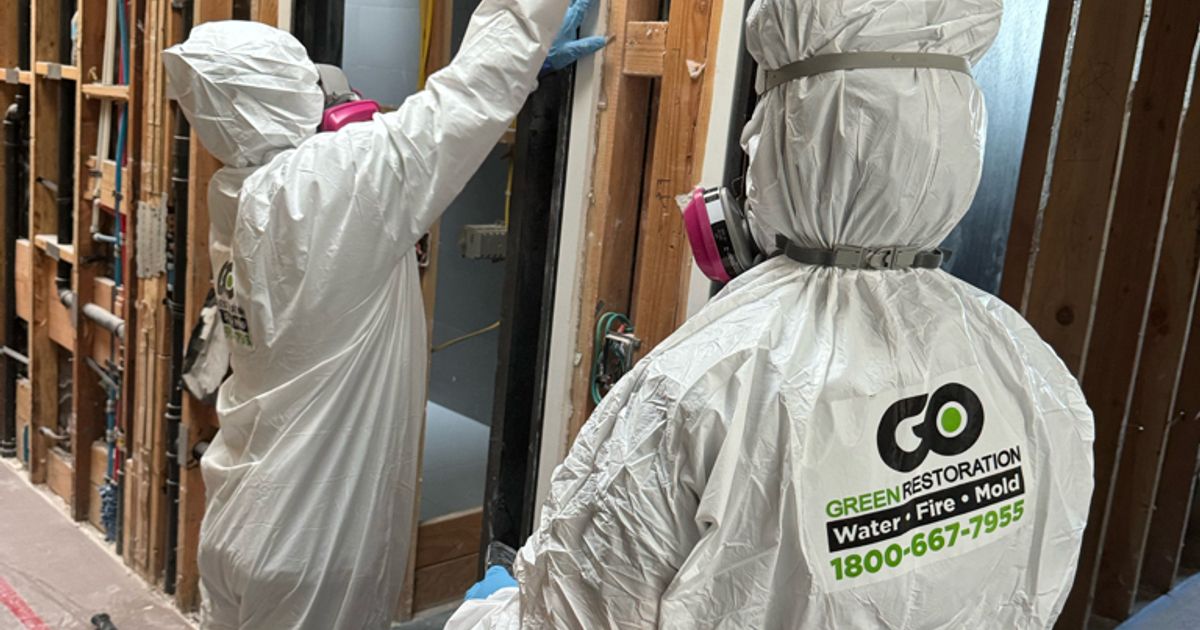
Learn what mold damage insurance covers in Citrus, CA. Understand claims, documentation needs, and coverage exclusions for San Gabriel Valley homes.
Homeowners in Citrus face unique challenges when dealing with mold-related insurance claims, particularly given the community's aging housing stock and San Gabriel Valley climate conditions. With many homes in the 91722 area built during the 1960s and 1970s, plumbing failures and subsequent water damage have become increasingly common, often leading to mold growth that requires professional attention.
The extreme heat that regularly affects Citrus creates conditions where moisture problems can quickly escalate into mold issues, especially in older homes near Citrus Park where HVAC systems may struggle to maintain proper humidity levels. When mold problems arise, understanding your insurance coverage becomes essential before beginning any mold remediation in Citrus project.
What Insurance Typically Covers for Mold Damage
Most homeowner's insurance policies in Citrus provide limited mold coverage, typically capping benefits between $1,000 and $10,000. Standard policies generally cover mold remediation when the growth results from a covered peril, such as a sudden pipe burst or storm damage. For Citrus homeowners, this often applies to situations where aging plumbing systems fail unexpectedly, causing water damage that leads to mold growth within 48-72 hours.
Insurance companies typically cover the cost of removing mold-damaged materials, professional cleaning, and restoration of affected areas when the mold resulted from a covered water loss. However, the coverage usually applies only to the immediate area affected by the initial water damage, not mold that may have spread to other parts of your Citrus home over time.
Common Exclusions That Affect Citrus Homeowners
Insurance policies contain several exclusions that particularly impact homes in the San Gabriel Valley region. Mold resulting from long-term moisture problems, such as chronic roof leaks or foundation seepage, typically falls outside coverage boundaries. Given Citrus's location between Covina and Glendora, many homes experience drainage issues during heavy rains, and mold growth from these ongoing moisture problems usually isn't covered.
Maintenance-related mold issues represent another major exclusion. If mold develops because of deferred maintenance on plumbing, roofing, or HVAC systems common in older Citrus homes, insurance companies will likely deny claims. Additionally, mold growth in crawl spaces, basements, or other areas with naturally high humidity levels often falls outside policy coverage, regardless of the underlying cause.
Flood-related mold damage requires separate flood insurance coverage, which many Citrus homeowners overlook despite the area's occasional drainage challenges during intense storm events that affect the broader San Gabriel Valley.
How the Cause of Water Damage Affects Coverage
The underlying cause of water damage significantly impacts whether your mold remediation will be covered. Sudden and accidental water losses, such as a washing machine hose failure or water heater rupture, typically trigger coverage for resulting mold growth. These scenarios are common in Citrus homes with aging appliances and plumbing systems.
Gradual water damage tells a different story. If mold develops from a slow leak behind a bathroom wall or under a kitchen sink that went unnoticed for months, insurance companies often classify this as a maintenance issue and deny coverage. The distinction between "sudden and accidental" versus "gradual" can be particularly challenging for Citrus homeowners, as the extreme heat can accelerate both water damage and mold growth, making timelines difficult to establish.
Weather-related water intrusion coverage depends on the specific circumstances. Wind-driven rain entering through storm-damaged windows or roofing typically qualifies for coverage, while groundwater seepage or surface water entering through foundation cracks generally doesn't, unless you have specific endorsements.
Essential Documentation for Successful Claims
Proper documentation becomes vital when filing mold-related insurance claims in Citrus. Start by photographing all visible mold growth and water damage before any cleanup begins. Document the suspected source of moisture, whether it's a failed pipe connection, roof leak, or appliance malfunction common in the area's older homes.
Maintain detailed records of when you first discovered the problem and any immediate steps taken to address moisture sources. For Citrus homeowners, this timeline becomes particularly important given how quickly mold can develop in the local climate conditions. Keep receipts for any emergency water extraction or temporary repairs performed to prevent further damage.
Professional assessments carry significant weight with insurance adjusters. Mold testing results, moisture readings, and expert opinions about the cause and extent of contamination help establish the legitimacy of your claim. Go Green Restoration Inc, familiar with common mold issues in San Gabriel Valley homes, can provide the professional documentation needed to support insurance claims while ensuring proper remediation standards.
## Related Articles
Learn more about restoration services in Citrus:
Contact your insurance company immediately upon discovering mold growth, even if you're uncertain about coverage. Many policies require prompt notification, and delays can jeopardize your claim. Request a copy of your policy's mold coverage provisions, as these vary significantly between carriers and policy types.
When the insurance adjuster visits your Citrus home, be prepared to explain the timeline of events and provide all documentation you've gathered. Point out any factors specific to local conditions, such as how the extreme San Gabriel Valley heat may have accelerated mold growth or how aging infrastructure contributed to the water damage.
Be persistent but professional throughout the process. Insurance companies may initially deny claims that could qualify for coverage upon further review. If your claim is denied, request a detailed explanation in writing and consider consulting with a public adjuster familiar with mold claims in Los Angeles County.
Understand that even approved claims may not cover all remediation costs. Budget for potential out-of-pocket expenses, particularly if mold has spread beyond the immediate area of water damage or if additional moisture problems are discovered during the remediation process in your Citrus home.
Need Professional Help?
Go Green Restoration provides 24/7 emergency services throughout Los Angeles and Ventura Counties. Licensed (#1005708), bonded, and insured.