Mold Remediation Insurance Coverage in Walnut: What Homeowners Need to Know
Navigate mold insurance claims in Walnut, CA. Learn what's covered, documentation requirements, and how to file successful claims for hillside properties.
Walnut homeowners face unique mold challenges due to the city's hilly terrain and aging housing stock from the 1970s-80s era. Understanding your insurance coverage for mold damage becomes essential when dealing with water intrusion issues common to slope-facing properties in neighborhoods like Walnut Valley and South Hills Country Club. The complexity of mold-related insurance claims often catches residents off guard, especially when dealing with the drainage problems that plague many hillside homes in the 91788 and 91789 ZIP codes.
Navigating insurance coverage for mold remediation in Walnut requires understanding how your specific policy treats mold damage and the underlying causes. Many Walnut residents discover too late that their standard homeowner's policy has significant limitations when it comes to mold coverage, particularly for properties experiencing the water intrusion issues common to homes built on the area's challenging terrain.
Understanding Standard Mold Coverage Limitations
Most homeowner's insurance policies in Walnut include limited mold coverage, typically capping payouts between $1,000 and $10,000. This amount rarely covers the full cost of professional remediation needed for extensive mold problems common in older Walnut homes. Properties near Mt. San Antonio College and throughout the hillside areas often require more extensive work due to the combination of aging infrastructure and challenging drainage conditions.
Standard policies generally exclude mold that results from long-term moisture problems, maintenance issues, or flooding. For Walnut homeowners, this means that mold developing from gradual roof leaks in 1970s-era homes or from poor drainage around foundation areas typically won't receive full coverage. However, mold resulting from sudden water damage events like burst pipes or appliance malfunctions usually qualifies for coverage under the dwelling protection portion of your policy.
The inland location of Walnut, with its hot summers that strain HVAC systems, creates additional complications. Mold growth from condensation issues or HVAC system failures often falls into gray areas of coverage, requiring careful documentation and professional assessment to establish the timeline and cause of the moisture problem.
How Water Source Affects Your Coverage
The cause of water damage directly impacts your mold coverage eligibility in Walnut. Sudden and accidental water damage typically receives full coverage, including resulting mold growth discovered within a reasonable timeframe. This includes scenarios like water heater failures, washing machine hose bursts, or pipe breaks common in Walnut's aging housing stock.
Gradual water intrusion, unfortunately common in hillside Walnut properties, faces different treatment. Slow leaks from aging roofing systems, foundation seepage from poor drainage, or moisture infiltration through deteriorating building materials often result in claim denials. Insurance companies view these as maintenance issues rather than covered perils.
Flood-related mold damage requires separate flood insurance coverage. Walnut's hillside terrain makes properties vulnerable to mudslides and drainage overwhelm during heavy rain seasons, but standard homeowner's policies exclude flood damage. Properties in areas prone to erosion or near Suzanne Park's lower elevations should consider flood insurance to protect against these specific risks.
Essential Documentation for Successful Claims
Proper documentation becomes critical for Walnut homeowners filing mold-related insurance claims. Start by photographing all visible mold growth, water damage, and affected areas immediately upon discovery. Document the extent of damage in multiple rooms, paying special attention to areas where Walnut's drainage challenges commonly cause problems, such as basements, crawl spaces, and areas near exterior walls on slope-facing sides of homes.
Maintain detailed records of when you first noticed moisture problems, musty odors, or visible mold growth. Insurance adjusters scrutinize timelines carefully, particularly for gradual damage scenarios common in older Walnut properties. Keep receipts for any emergency mitigation steps you take, such as running dehumidifiers or setting up fans to prevent further damage.
Professional documentation strengthens your claim significantly. Mold inspection reports that identify the type and extent of contamination, along with moisture readings and air quality assessments, provide objective evidence for your claim. For Walnut properties, professional reports should specifically address how local conditions like hillside drainage or HVAC strain may have contributed to the problem.
Navigating the Claims Process Successfully
File your mold-related claim immediately upon discovery, even if you're uncertain about coverage. Walnut's hot, dry summers can cause rapid mold growth once moisture problems develop, making early reporting essential. Contact your insurance company's claims department and request a detailed explanation of your policy's mold coverage limits and exclusions.
Prepare for the insurance adjuster's visit by organizing all documentation and creating a timeline of events. Be present during the inspection to point out specific areas of concern and explain how local conditions may have contributed to the problem. For hillside properties in Walnut, emphasize any sudden changes in drainage patterns or recent weather events that may have triggered the moisture intrusion.
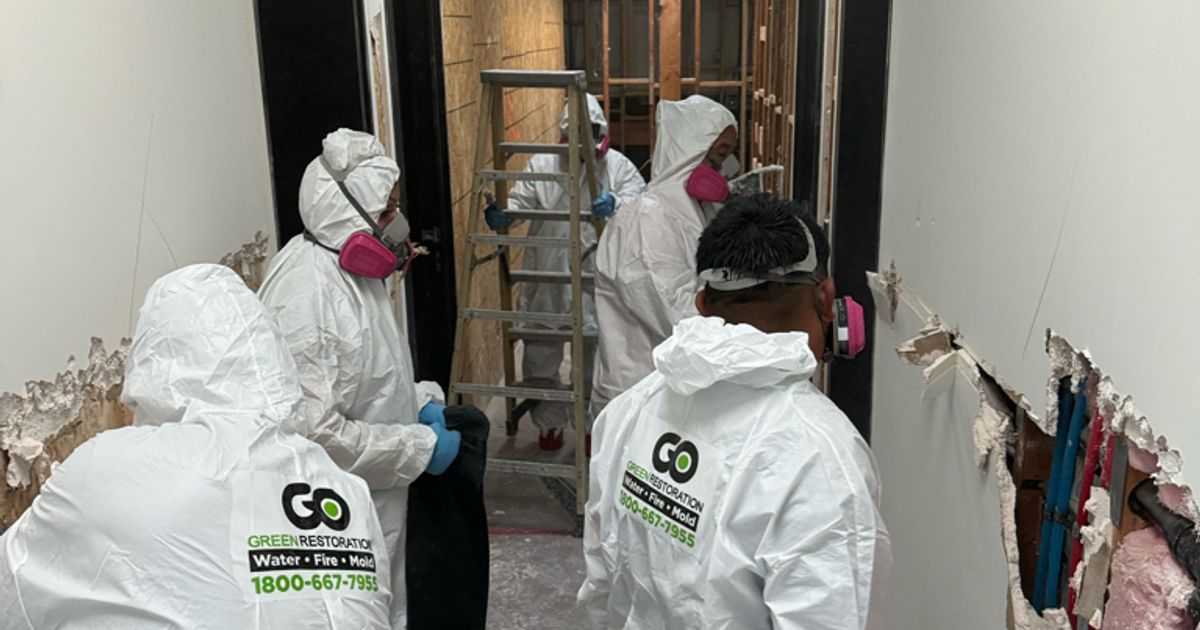
Work with restoration professionals experienced in insurance claims to ensure proper documentation and remediation procedures. Go Green Restoration Inc understands the specific challenges facing Walnut homeowners and can provide detailed reports that support your insurance claim while ensuring proper remediation of mold problems.
Maximizing Your Coverage and Next Steps
Review your current policy annually to understand your mold coverage limits and consider purchasing additional coverage if needed. Many Walnut homeowners benefit from increasing their mold coverage limits or adding endorsements that provide broader protection against water damage scenarios common to hillside properties.
Consider the age and condition of your home when evaluating coverage needs. Properties built during Walnut's development boom in the 1970s-80s may require additional protection due to aging roofing, plumbing, and HVAC systems. Regular maintenance and prompt repairs help prevent gradual damage scenarios that typically face coverage exclusions.
If your claim gets denied, don't accept the decision without question. Request a detailed explanation of the denial reason and consider hiring a public adjuster familiar with Walnut's unique property challenges. Many denials result from inadequate documentation or misunderstanding of the damage timeline rather than actual policy exclusions.
For more information, visit our mold resources.
Need Professional Help?
Go Green Restoration provides 24/7 emergency services throughout Los Angeles and Ventura Counties. Licensed (#1005708), bonded, and insured.