Mold Testing in Casitas Springs: When and Why You Need It
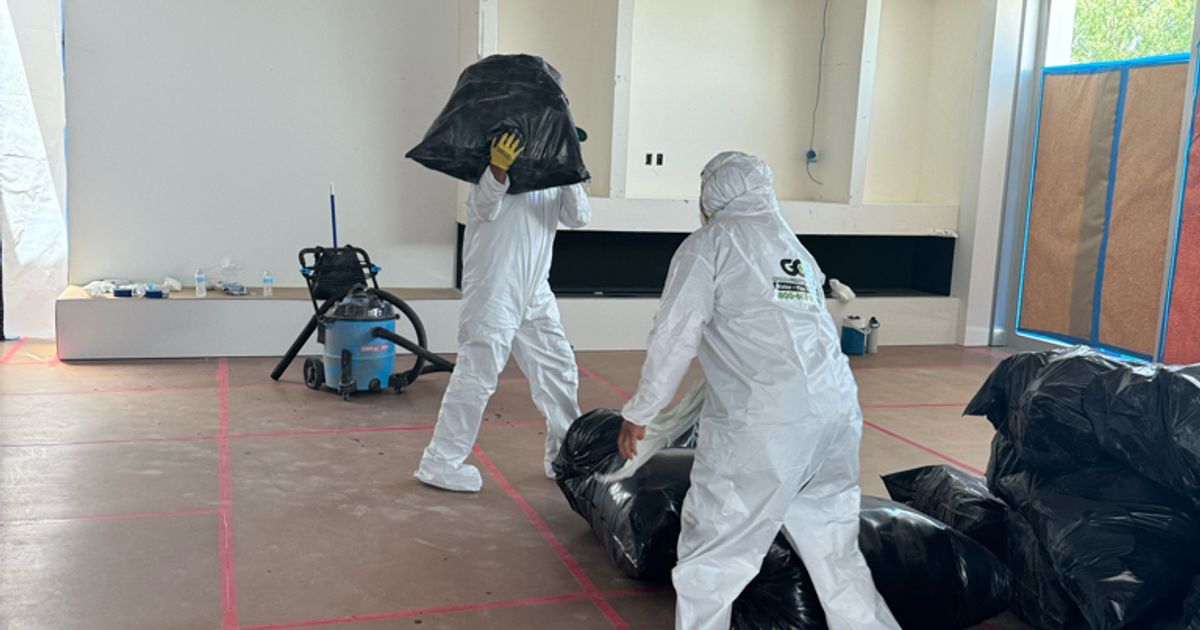
Learn when mold testing is necessary in Casitas Springs, CA. Understand local environmental factors affecting mold growth in the Ventura River Valley.
Casitas Springs homeowners face unique mold challenges due to the community's location in the narrow Ventura River Valley between Ventura and Ojai. The area's rural setting, combined with proximity to the Ventura River and Lake Casitas, creates moisture conditions that can promote mold growth in homes throughout the 93001 ZIP code area.
The Thomas Fire's impact on nearby areas highlighted how wildfire damage and subsequent flooding can create perfect conditions for mold development. Properties that experienced smoke infiltration or water damage from firefighting efforts often require professional assessment. Understanding when to test for mold becomes especially important given the varied infrastructure quality across Casitas Springs' residential areas, where some homes may have older ventilation systems or construction materials that are more susceptible to moisture retention. For homeowners dealing with suspected mold issues, mold remediation in Casitas Springs requires proper testing to determine the extent and type of contamination.
When Mold Testing Becomes Necessary in Casitas Springs
Casitas Springs' position in the Ventura River Valley creates specific scenarios where mold testing is essential. Homes near the river bottom are particularly vulnerable during winter storm seasons when flooding can introduce moisture into crawl spaces and lower levels. Properties that experienced water intrusion during recent atmospheric river events should be tested within 48-72 hours, as the valley's limited air circulation can trap moisture longer than in more open areas.
Visible signs that warrant immediate testing include musty odors that persist after cleaning, discolored patches on walls or ceilings, and health symptoms that worsen when spending time indoors. In Casitas Springs' older homes, particularly those built before modern moisture barriers were standard, testing becomes important when renovating or after discovering water damage behind walls or under flooring.
The community's wildfire risk adds another dimension to testing needs. Homes that were evacuated during fire seasons may have been closed up for extended periods, creating conditions where minor moisture issues can develop into larger mold problems. Properties with HVAC systems that drew in smoke particles may also harbor mold growth if moisture was present during the contamination period.
Types of Mold Testing Available for Valley Homes
Air sampling represents the most common testing method for Casitas Springs homes, particularly effective in the valley's enclosed environment where spores can become concentrated. This method captures airborne mold spores and provides a count that can be compared to outdoor levels. Given the area's proximity to Lake Casitas and the Ventura River, outdoor mold levels naturally fluctuate with seasonal moisture, making baseline comparisons important for accurate interpretation.
Surface sampling works well for visible growth on walls, wood surfaces, or around windows where condensation commonly occurs in valley homes. This method identifies specific mold types and helps determine if cleaning efforts have been effective. For properties near the river where flooding has occurred, surface sampling of dried materials can reveal whether mold has penetrated beyond visible areas.
Bulk sampling involves removing small pieces of suspected materials like drywall, insulation, or wood for laboratory analysis. This method proves particularly valuable in Casitas Springs homes where water damage may have occurred behind walls or in areas not easily accessible for other testing methods. The technique helps determine whether materials need replacement or can be successfully cleaned.
Understanding Test Results in the Valley Environment
Mold test results require interpretation within Casitas Springs' specific environmental context. Outdoor baseline readings naturally vary between dry and wet seasons, with higher counts expected during winter months when the Ventura River runs higher and morning fog is common in the valley. Indoor spore counts that exceed outdoor levels by significant margins typically indicate an indoor moisture problem requiring attention.
Species identification helps determine health risks and remediation approaches. Common valley molds like Cladosporium and Penicillium often appear in homes with minor moisture issues, while Stachybotrys (black mold) indicates more serious water damage problems. Aspergillus species, which can grow in drier conditions, might appear in homes with poor ventilation or dust accumulation common in the rural setting.
Quantitative results showing spore counts above 1,000 per cubic meter generally warrant remediation, though lower counts may still require action if sensitive individuals live in the home. The valley's limited medical facilities make it particularly important to address mold issues before they impact health, especially for residents with respiratory conditions who may need to travel to Ventura or beyond for specialized care.
Local Environmental Factors Affecting Testing Recommendations
Casitas Springs' unique geography significantly influences mold testing strategies. The valley's tendency to trap moisture means that homes at lower elevations near the Ventura River require more frequent monitoring than properties on higher ground. Morning fog that settles in the valley can create condensation issues in homes with poor insulation or ventilation, making spring and fall testing particularly important.
Wildfire seasons add complexity to testing schedules. Homes that have been evacuated or exposed to smoke infiltration benefit from testing before full reoccupation. The combination of smoke particles and any moisture intrusion from firefighting efforts can accelerate mold development. Properties in areas that experienced the Thomas Fire or other recent blazes should consider annual testing as part of ongoing recovery monitoring.
The rural community's varied infrastructure quality means testing approaches must be tailored to individual properties. Older homes with original plumbing or roofing may need more comprehensive testing protocols, while newer construction might focus on specific areas like bathrooms and kitchens where moisture control is most challenging.
Seasonal testing proves most effective when conducted during transition periods - late fall before winter rains begin and early spring after the wet season ends. This timing helps identify problems before they worsen and confirms that remediation efforts have been successful. Go Green Restoration Inc, familiar with the valley's specific environmental challenges, can provide guidance on optimal testing schedules based on individual property conditions and local weather patterns.
For more information, visit our mold resources.
Need Professional Help?
Go Green Restoration provides 24/7 emergency services throughout Los Angeles and Ventura Counties. Licensed (#1005708), bonded, and insured.