Mold Testing in Thousand Oaks: When and Why You Need It
Learn when mold testing is necessary in Thousand Oaks, CA. Understand testing types, results interpretation, and local factors affecting your home.
Thousand Oaks homeowners face unique mold challenges due to the city's position in the Conejo Valley, where hot summers strain HVAC systems and create perfect conditions for moisture problems. The aftermath of the 2018 Woolsey Fire has left many properties vulnerable to water intrusion issues, particularly in hillside neighborhoods like Lang Ranch and North Ranch where post-fire erosion continues to affect home foundations and drainage systems.
Understanding when professional mold testing becomes necessary can save Thousand Oaks residents from costly remediation projects down the line. Properties throughout ZIP codes 91358 through 91362 show varying mold risks depending on their age, location, and exposure to recent environmental stresses. For homeowners dealing with suspected mold issues, professional mold remediation in Thousand Oaks services can provide the expertise needed to properly assess and address contamination.
When Mold Testing Becomes Necessary in Thousand Oaks
Thousand Oaks homeowners should consider mold testing after any water damage event, particularly common during the city's occasional heavy winter rains that can overwhelm drainage systems in areas like Newbury Park and Dos Vientos. Properties built in the 1960s throughout Thousand Oaks Proper often have outdated ventilation systems that struggle with moisture control, making testing advisable if you notice musty odors or visible discoloration on walls and ceilings.
Post-fire reconstruction has introduced new variables for Westlake Village and surrounding areas, where rapid rebuilding sometimes overlooks proper moisture barriers and ventilation planning. If your home was rebuilt or renovated after the Woolsey Fire, testing becomes important if you experience unexplained respiratory symptoms or notice moisture problems that weren't present in your previous home.
HVAC system failures during Thousand Oaks' intense summer heat create another testing scenario. When air conditioning units fail in temperatures exceeding 100°F, the resulting humidity spikes in closed homes can trigger rapid mold growth within 48-72 hours. Properties near Wildwood Regional Park and other areas with dense vegetation may experience higher ambient humidity that compounds these issues.
Types of Mold Testing Available to Thousand Oaks Residents
Air sampling represents the most common testing method for Thousand Oaks homes, particularly effective in detecting airborne spores that may not be visible. This method works well in the city's typically dry climate, where mold problems often remain hidden behind walls or in HVAC systems until spore counts become elevated.
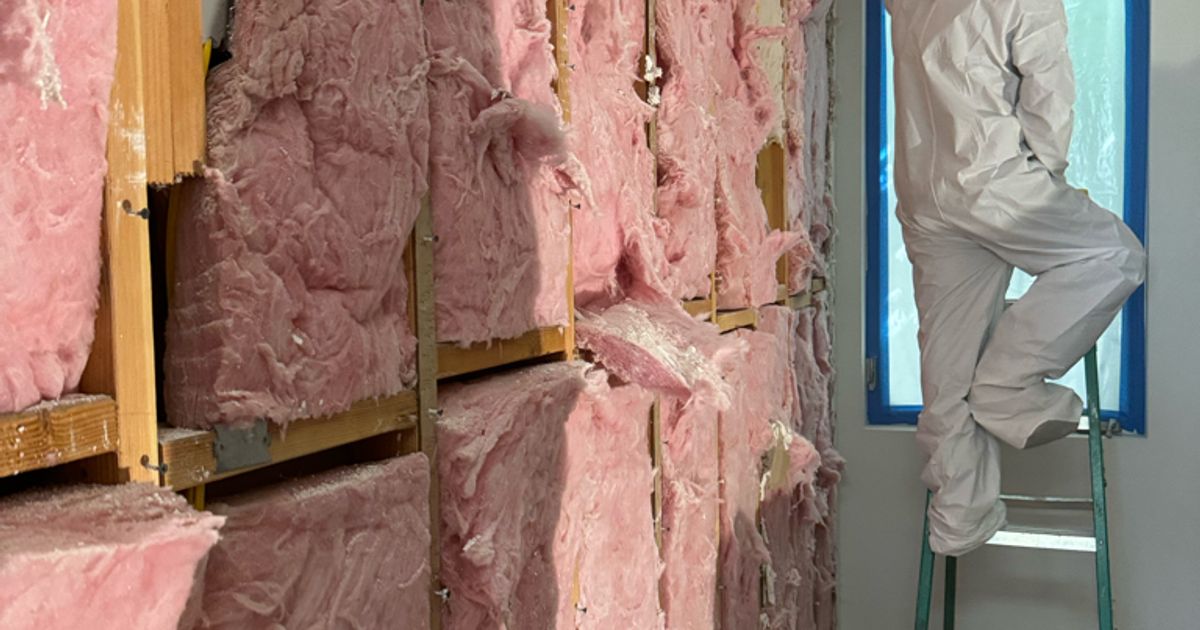
Surface sampling provides targeted analysis for visible growth or suspected contamination areas. In Thousand Oaks properties affected by wildfire damage or subsequent water intrusion, surface sampling helps identify specific mold species and contamination levels on building materials like drywall, wood framing, and insulation.
Bulk sampling involves removing small pieces of suspected materials for laboratory analysis. This method proves valuable for older homes in neighborhoods like North Ranch, where original building materials from the 1970s and 1980s may harbor hidden contamination that surface testing cannot detect.
Moisture mapping accompanies most professional testing in Thousand Oaks, using thermal imaging and moisture meters to identify water sources feeding mold growth. Given the city's susceptibility to both wildfire damage and subsequent erosion issues, moisture mapping helps locate hidden leaks in foundations, roofing, and plumbing systems that may not be immediately apparent.
Interpreting Mold Test Results in Thousand Oaks Context
Mold test results require interpretation within Thousand Oaks' specific environmental context. Outdoor baseline samples help establish normal spore levels for the Conejo Valley region, which typically show higher concentrations of certain outdoor molds during Santa Ana wind events that stir up spores from the surrounding Santa Monica Mountains.
Indoor spore counts exceeding outdoor levels by significant margins indicate active indoor growth requiring attention. However, Thousand Oaks' dry climate means that some mold species common in humid regions may not appear in local testing, while drought-resistant varieties might show higher concentrations than typical reference standards suggest.
Species identification becomes particularly important for Thousand Oaks residents, as certain molds thrive in the city's specific conditions. Aspergillus species, common in dry environments, may indicate HVAC contamination or water damage in areas with poor ventilation. Stachybotrys, while less common in dry climates, can appear in areas with persistent moisture problems, particularly in post-fire reconstruction where building envelope issues create hidden wet conditions.
Laboratory reports should include recommendations specific to your property's conditions, considering factors like proximity to fire-damaged areas, home age, and local environmental stresses that affect mold growth patterns in the Thousand Oaks area.
Local Environmental Factors Affecting Testing Recommendations
Thousand Oaks' wildfire history significantly impacts mold testing recommendations, particularly for properties in fire-prone areas near Wildwood Regional Park and the Santa Monica Mountains foothills. Homes that experienced smoke damage may require specialized testing for heat-damaged building materials that can harbor moisture and support mold growth in ways not seen in typical water damage scenarios.
The city's Mediterranean climate creates seasonal testing considerations, with late fall and early winter representing optimal times for comprehensive testing. During these months, Thousand Oaks experiences its highest humidity levels and potential water intrusion from winter storms, making mold growth more likely to be active and detectable.
Post-fire erosion continues affecting properties in hillside neighborhoods, where changed drainage patterns can direct water toward foundations in unexpected ways. Testing recommendations for these areas often include both indoor air quality assessment and building envelope evaluation to identify moisture sources that may not have existed before fire damage altered local topography.
## Related Articles
Learn more about restoration services in Thousand Oaks:
Go Green Restoration Inc provides specialized mold testing services that account for Thousand Oaks' unique environmental challenges, from wildfire recovery issues to the specific mold species common in Ventura County's climate. Professional testing ensures accurate results interpretation within the context of local conditions that affect mold growth patterns.
Choosing certified testing professionals familiar with Thousand Oaks' post-fire reconstruction challenges ensures your results reflect the reality of current local conditions rather than generic standards that may not apply to your specific situation. Professional testing also provides the documentation necessary for insurance claims related to mold issues stemming from wildfire damage or subsequent water intrusion problems.
Scheduling testing during appropriate seasonal windows maximizes detection accuracy, particularly important in Thousand Oaks where dry conditions can make mold problems intermittent or seasonal rather than constantly active.
Need Professional Help?
Go Green Restoration provides 24/7 emergency services throughout Los Angeles and Ventura Counties. Licensed (#1005708), bonded, and insured.