Preventing Mold Growth in Bell Gardens: A Seasonal Guide
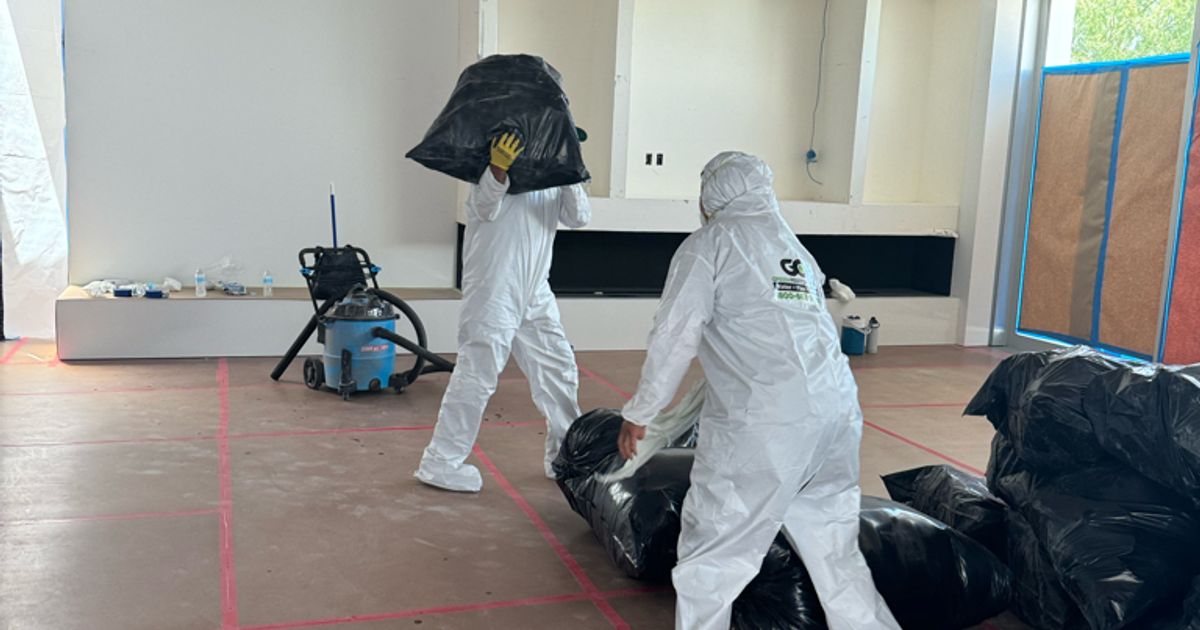
Protect your Bell Gardens home from mold year-round. Expert seasonal prevention tips for 90201-90202 residents facing LA River flooding and aging infrastructure.
Bell Gardens homeowners face unique mold challenges throughout the year. The city's location between the Los Angeles River and Río Hondo creates elevated moisture risks, particularly during Southern California's unpredictable rainy seasons. Combined with the area's predominantly post-war housing stock in neighborhoods like Ford Park Area and along the Gage Avenue Corridor, these conditions require vigilant seasonal prevention strategies.
The dense urban environment of Bell Gardens, with its mix of single-family homes and multi-unit properties, means that moisture problems can quickly spread between adjacent units. Professional mold remediation in Bell Gardens becomes necessary when prevention measures fail, but understanding seasonal patterns helps ZIP codes 90201 and 90202 residents stay ahead of potential problems.
Spring Preparation: Post-Rain Assessment and Ventilation
Spring in Bell Gardens brings the aftermath of winter storms and the beginning of warmer temperatures. This transitional period creates ideal conditions for mold growth as trapped moisture from winter rains meets increasing humidity. Homeowners near Ford Park should inspect their properties thoroughly after the rainy season ends, paying special attention to areas where water may have accumulated.
Check crawl spaces, basements, and areas around aging plumbing systems common in Bell Gardens' older homes. The city's proximity to major industrial areas like Commerce means air quality can impact indoor environments, making proper ventilation essential. Open windows during mild spring days to promote air circulation, but monitor outdoor air quality reports before doing so.
Inspect exterior drainage around your property, particularly if you live in the flood-prone areas near the Los Angeles River. Spring is the ideal time to clear gutters, repair damaged downspouts, and ensure proper grading directs water away from your foundation. Multi-family property owners should coordinate these efforts across all units to prevent moisture migration.
Summer Vigilance: Managing Heat and Humidity
Bell Gardens summers bring intense heat that can create unexpected moisture problems. The urban heat island effect, intensified by the city's dense development and proximity to major freeways, can cause significant temperature fluctuations that lead to condensation issues. Air conditioning systems work overtime during these months, creating potential moisture problems if not properly maintained.
Inspect and clean AC units before peak summer heat arrives. In Bell Gardens' older homes, aging ductwork may have leaks that introduce moisture into wall cavities. Pay attention to areas around the Bicycle Hotel & Casino and other commercial zones where increased traffic and activity can affect local air quality and humidity levels.
Bathrooms and kitchens require extra attention during summer months. Use exhaust fans consistently, even during shorter showers, as the combination of indoor cooling and outdoor heat creates condensation-friendly conditions. Properties in the Gage Avenue Corridor, with their mix of residential and commercial uses, may experience additional humidity from nearby restaurants and businesses.
Fall Maintenance: HVAC Systems and Weatherization
Fall represents the critical preparation period for Bell Gardens homeowners. Before winter rains arrive, inspect and service heating systems that have been dormant through the summer months. The city's aging housing stock often features original heating systems that may have developed leaks or efficiency problems over time.
Replace HVAC filters and inspect ductwork for signs of moisture damage or mold growth. In multi-family properties common throughout Bell Gardens, coordinate with neighbors or property managers to ensure building-wide systems receive proper maintenance. The transition from cooling to heating can reveal moisture problems that developed during summer months.
Weatherization becomes essential as Bell Gardens prepares for winter storms. Inspect windows and doors for proper sealing, particularly in homes built in the post-war construction boom. The city's proximity to Downey and South Gate means weather patterns can vary significantly within short distances, making local preparation important.
Winter Protection: Rainy Season Readiness
Winter presents the greatest mold risk for Bell Gardens residents. The combination of Los Angeles River flooding potential and aging infrastructure creates perfect conditions for moisture intrusion. Heavy rains can overwhelm the city's drainage systems, particularly in areas near the Río Hondo where flooding has historically occurred.
Monitor weather forecasts closely and prepare for potential flooding events. Keep sandbags or other flood barriers readily available if you live in low-lying areas. The dense housing pattern in Bell Gardens means that flooding in one property can quickly affect neighboring homes, making community-wide preparation important.
Inspect roofs and exterior walls regularly during winter months. Bell Gardens' older homes may have developed structural issues that allow water penetration during heavy storms. Pay particular attention to areas where different materials meet, such as where additions were made to original structures.
Maintain indoor humidity levels between 30-50% during winter months. Use dehumidifiers in basements or other moisture-prone areas, but ensure proper drainage to prevent creating additional water problems. Monitor areas around aging plumbing systems, as winter temperature fluctuations can stress older pipes and create leaks.
Professional Support and Community Resources
Bell Gardens homeowners benefit from staying connected with local resources and professional services. Go Green Restoration Inc serves the Bell Gardens community with expertise in addressing the specific challenges posed by the area's climate and housing characteristics. Understanding when to seek professional help can prevent minor moisture issues from becoming major mold problems.
Connect with neighbors in your area to share information about local conditions and successful prevention strategies. The tight-knit community character of Bell Gardens means that collective awareness of seasonal challenges benefits everyone. Monitor city communications about flood preparedness and infrastructure maintenance that may affect your property.
Document any moisture issues or prevention measures taken throughout the year. This information proves valuable for insurance purposes and helps identify patterns specific to your property's location and characteristics. Bell Gardens' unique position in Los Angeles County requires tailored approaches that account for both urban density and flood risk factors.
For more information, visit our mold resources.
Need Professional Help?
Go Green Restoration provides 24/7 emergency services throughout Los Angeles and Ventura Counties. Licensed (#1005708), bonded, and insured.