Preventing Mold Growth in El Monte: A Seasonal Guide
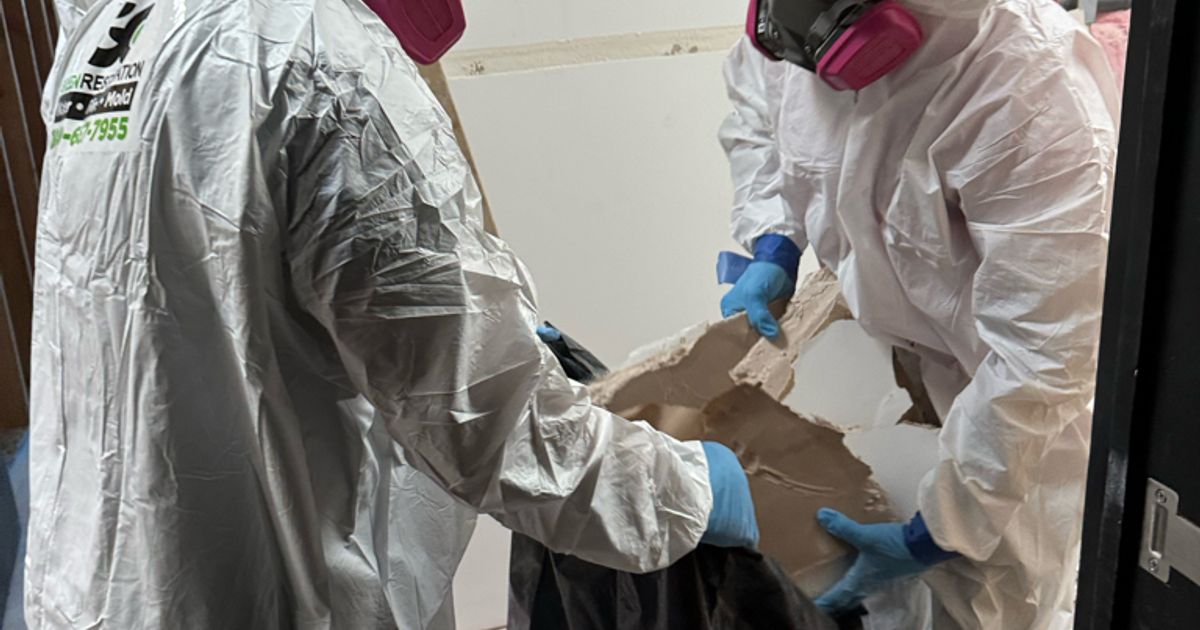
Protect your El Monte home from mold year-round. Expert seasonal prevention tips for San Gabriel Valley's unique climate challenges.
El Monte's position in the San Gabriel Valley creates unique mold challenges that change dramatically with each season. The city's older housing stock, combined with extreme temperature swings and proximity to the San Gabriel River, means homeowners in neighborhoods like South El Monte and Mountain View face distinct moisture problems throughout the year. Understanding these seasonal patterns helps protect your property from costly mold damage.
The valley's microclimate, influenced by the nearby Whittier Narrows Recreation Area, creates pockets of humidity that can catch homeowners off guard. Properties in ZIP codes 91731 through 91735 experience varying moisture levels depending on their elevation and distance from the river. Professional mold remediation in El Monte becomes necessary when prevention measures fail, but seasonal preparation significantly reduces this risk.
Spring Preparation: Managing Valley Moisture
Spring in El Monte brings unpredictable weather patterns that test your home's moisture defenses. The transition from winter rains to warmer temperatures creates ideal conditions for mold growth, particularly in older homes near El Monte Airport where temperature inversions trap moisture. Check your home's foundation for winter damage, as El Monte's clay soil expands and contracts with moisture changes, potentially creating new entry points for water.
Inspect crawl spaces and basements during March and April, when morning fog from the San Gabriel River often lingers in low-lying areas of the city. Properties in the Medina neighborhood, with their proximity to the river, require extra attention to foundation ventilation. Install or repair foundation vents to ensure proper airflow, and consider adding vapor barriers if your crawl space lacks adequate moisture protection.
Spring cleaning should include HVAC system maintenance, particularly important given El Monte's dramatic temperature swings. Replace filters and have ductwork inspected for condensation damage that may have occurred during winter months. The city's older homes often have outdated ductwork that develops leaks, creating hidden moisture problems in wall cavities.
Summer Heat Management: HVAC and Condensation Control
El Monte's notorious summer heat creates significant condensation challenges that many homeowners overlook. When outdoor temperatures soar above 100°F, as they frequently do in the San Gabriel Valley, the temperature differential between your air-conditioned interior and superheated exterior creates moisture problems throughout your home. HVAC systems work overtime, producing substantial condensation that can overwhelm drainage systems.
Inspect your air conditioning unit's condensate drain line monthly during summer months. El Monte's mature tree population, particularly in established neighborhoods near Whittier Narrows, means root intrusion into these drain lines is common. A blocked drain can cause water backup into your home's interior walls, creating hidden mold growth that won't be discovered until extensive damage occurs.
Attic ventilation becomes critical during El Monte's extreme summer heat. Ridge vents and soffit vents should be clear of debris and functioning properly to prevent superheated air from creating condensation when it meets cooler interior surfaces. Properties built before 1980, common throughout El Monte, often lack adequate attic ventilation for modern cooling demands.
Bathroom and kitchen exhaust fans require extra attention during summer months when humidity levels spike. Run these fans for at least 30 minutes after showers or cooking to remove excess moisture before it can condense on cooler surfaces. Consider upgrading to more powerful fans if your current units struggle to keep up with El Monte's humid summer conditions.
Fall Transition: Preparing for Rain Season
Fall preparation in El Monte focuses on preparing your home for the coming rainy season, which can bring significant challenges to properties near the San Gabriel River and Whittier Narrows Recreation Area. October and November provide the ideal window for addressing potential water intrusion points before winter storms arrive.
Clean gutters and downspouts thoroughly, paying special attention to debris from El Monte's numerous mature trees. Ensure downspouts direct water at least six feet away from your foundation, particularly important given the city's clay soil that doesn't drain well. Properties in lower elevations near the river require additional attention to grading and drainage to prevent water accumulation.
Inspect roof systems for damage that could allow water intrusion. El Monte's older housing stock often features original roofing materials that may have reached the end of their useful life. Look for missing or damaged shingles, particularly after the hot summer months that can make roofing materials brittle and prone to cracking.
Seal exterior cracks and gaps before the rainy season begins. Temperature cycling throughout El Monte's hot summers and cool winters creates expansion and contraction that opens new pathways for water intrusion. Pay particular attention to areas where different building materials meet, such as where stucco meets wood trim or concrete foundations.
Winter Rain Management: Active Moisture Control
Winter in El Monte brings the year's heaviest rainfall, with properties near the San Gabriel River facing elevated flood risk during atmospheric river events. Active moisture management becomes essential, particularly for homes in flood-prone areas of South El Monte and neighborhoods adjacent to Whittier Narrows.
Monitor indoor humidity levels closely during rainy periods, aiming to maintain levels between 30-50%. Use dehumidifiers in problem areas, particularly basements and crawl spaces where moisture tends to accumulate. El Monte's older homes often lack proper vapor barriers, making mechanical dehumidification necessary during extended wet periods.
Inspect your home's interior regularly for signs of water intrusion during and after storms. Look for water stains on ceilings and walls, musty odors, and condensation on windows. Properties near El Monte Airport, which sits in a low-lying area, are particularly susceptible to groundwater issues during heavy rain events.
Maintain heating systems to ensure consistent indoor temperatures that prevent condensation. Uneven heating in El Monte's older homes creates temperature differentials that promote condensation on cooler surfaces. Consider upgrading insulation in problem areas to maintain more consistent temperatures throughout your home.
As Go Green Restoration Inc has observed in their work throughout Los Angeles County, proactive seasonal maintenance prevents most mold problems before they require professional intervention. The key lies in understanding El Monte's unique climate challenges and addressing them systematically throughout the year.
For more information, visit our mold resources.
Need Professional Help?
Go Green Restoration provides 24/7 emergency services throughout Los Angeles and Ventura Counties. Licensed (#1005708), bonded, and insured.