Preventing Mold Growth in Glendale: A Seasonal Guide
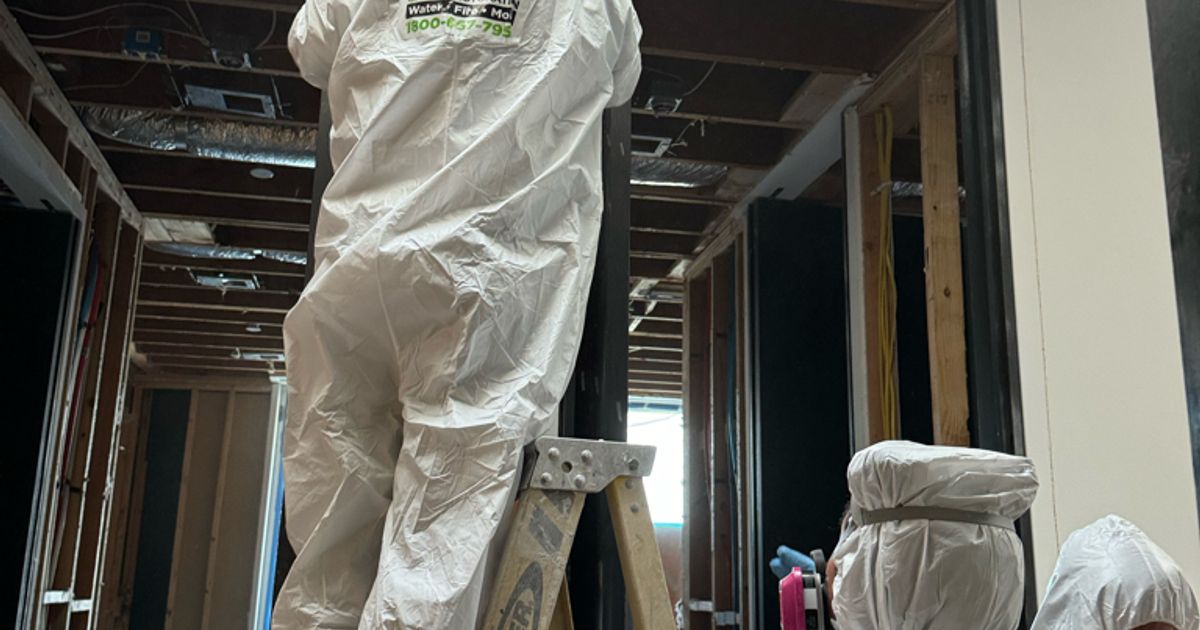
Protect your Glendale home from mold year-round with this seasonal prevention guide covering moisture control, ventilation, and local climate challenges.
Glendale's unique geography creates distinct challenges for mold prevention throughout the year. The city's position between the Verdugo Mountains and the San Fernando Valley means residents in neighborhoods like Adams Hill and Crescenta Highlands face different moisture conditions than those in Downtown Glendale or near the Americana at Brand. Understanding how seasonal changes affect your home's vulnerability to mold growth is essential for maintaining a healthy living environment.
The diverse housing stock across Glendale's ZIP codes 91201 through 91210 presents varying risks, from moisture-prone basements in older Craftsman homes in Rossmoyne to condensation issues in modern high-rise condominiums. Professional mold remediation in Glendale services often see seasonal patterns in mold growth that directly correlate with the city's Mediterranean climate and unique topographical features.
Spring Preparation: Managing Glendale's Rainy Season Aftermath
Spring in Glendale brings the aftermath of winter rains, which can be particularly problematic for hillside properties in Verdugo Woodlands and Montrose. The combination of saturated soil and aging infrastructure means homeowners should inspect their properties thoroughly as temperatures begin to rise. Check crawl spaces and basements for standing water, especially in older homes built before modern waterproofing standards.
Focus on exterior drainage around your property, as Glendale's hillside terrain can channel water toward foundations during spring runoff. Clean gutters and downspouts, ensuring water flows away from your home's foundation. Properties near Forest Lawn Memorial Park and other elevated areas should pay particular attention to grading, as improper drainage can lead to moisture infiltration that creates ideal conditions for mold growth in wall cavities and subflooring.
Inspect HVAC systems after winter use, as dust and debris can accumulate in ductwork during periods of inactivity. Change filters and consider professional duct cleaning, especially important given Glendale's proximity to wildfire zones where ash and particulates can compromise indoor air quality and create surfaces where mold spores can settle.
Summer Vigilance: Controlling Humidity in Glendale's Heat
Glendale's summer temperatures often exceed 90°F, creating significant humidity challenges inside homes, particularly those without adequate ventilation. The temperature differential between air-conditioned interiors and hot outdoor conditions can cause condensation problems in poorly insulated areas. Neighborhoods like Adams Hill, with their mix of older and newer construction, often experience varying humidity levels based on home age and insulation quality.
Maintain indoor humidity levels between 30-50% using dehumidifiers in problem areas like basements, laundry rooms, and bathrooms. Properties near the Americana at Brand and other urban areas may experience higher humidity due to reduced airflow and heat island effects. Monitor bathroom and kitchen exhaust fans, ensuring they vent properly to the exterior rather than into attic spaces where moisture can accumulate.
Summer is ideal for addressing ventilation issues in attic spaces, particularly important for homes in fire-prone areas like Crescenta Highlands where proper ventilation can also help with fire safety. Ensure soffit and ridge vents are clear of debris, and consider adding ventilation if your home lacks adequate airflow. Poor attic ventilation combined with Glendale's intense summer heat can create temperature and humidity conditions that promote mold growth in roof decking and insulation.
Fall Maintenance: Preparing for Glendale's Weather Transitions
Fall preparation in Glendale requires attention to both fire season concerns and upcoming winter moisture. The city's location in a wildfire zone means ash and debris from nearby fires can clog ventilation systems and create surfaces where moisture can collect. Clean all exterior vents, replace HVAC filters more frequently during fire season, and inspect seals around windows and doors.
Properties in Rossmoyne and other established neighborhoods should inspect older plumbing systems, as Glendale's aging infrastructure can lead to small leaks that become major mold problems during winter months. Check under sinks, around water heaters, and in utility areas for signs of moisture or water damage. The combination of older pipes and seasonal temperature changes can cause failures that go unnoticed until mold growth becomes visible.
Prepare landscaping for winter rains by ensuring proper drainage away from foundations. Trim vegetation that might trap moisture against exterior walls, particularly important for hillside properties where poor drainage can lead to both mold issues and structural problems. Consider waterproofing treatments for basement walls and foundation areas, especially in homes built before modern building codes.
Winter Protection: Managing Moisture During Glendale's Wet Season
Glendale's winter rainy season, typically from December through March, presents the greatest mold risk for most properties. The city's position between mountain ranges can intensify storm systems, leading to heavy rainfall that tests home weatherproofing systems. Monitor indoor humidity levels closely, as heating systems can create temperature differentials that promote condensation in poorly ventilated areas.
Pay special attention to areas where warm, moist air meets cold surfaces, such as single-pane windows, uninsulated exterior walls, and concrete floors. Homes in Downtown Glendale and other urban areas may experience different moisture patterns than hillside properties due to varying microclimates and building densities.
Inspect and maintain heating systems regularly, as poor combustion or ventilation can increase indoor moisture levels. Properties using older heating systems should ensure proper ventilation and consider upgrading to more efficient units that better control humidity. During heavy rain periods, check for roof leaks, window leaks, and foundation moisture intrusion, addressing problems immediately to prevent mold establishment.
Professional Assessment and Local Expertise
Glendale homeowners dealing with persistent moisture issues or visible mold growth should seek professional evaluation, as the city's unique climate and housing characteristics require specialized knowledge. Go Green Restoration Inc understands the specific challenges faced by properties throughout Los Angeles County, from hillside drainage issues to aging infrastructure concerns that affect homes across Glendale's diverse neighborhoods.
Regular professional inspections can identify potential mold risks before they become serious problems, particularly important given Glendale's combination of wildfire risk, aging infrastructure, and varied topography that creates unique moisture challenges for different areas of the city.
For more information, visit our mold resources.
Need Professional Help?
Go Green Restoration provides 24/7 emergency services throughout Los Angeles and Ventura Counties. Licensed (#1005708), bonded, and insured.